




Out with the Old, In with the Brew
For decades, the Indian summer was synonymous with a specific kind of thirst-quencher: cloyingly sweet squashes, Technicolor syrups like Rooh Afza, and fizzy drinks in every imaginable flavour. They were cheap, cheerful, and offered instant relief from
the sweltering heat. But they were also packed with sugar, artificial colours, and preservatives. Today, a significant shift is underway. The new definition of a summer cooler is less about a sugar high and more about holistic refreshment. Consumers are increasingly asking for drinks that are not just cooling but also clean, functional, and authentic. This new ‘sensible’ approach prioritises natural ingredients, lower sugar content, and even health benefits, marking a maturation of the Indian palate.
The Wellness Wave in a Glass
This beverage evolution isn't happening in a vacuum. It’s a direct consequence of the larger wellness movement sweeping urban India. As more people become conscious of what they eat, they are extending that scrutiny to what they drink. Calorie counts, ingredient lists, and nutritional labels, once ignored, are now key decision-making factors. The post-pandemic focus on immunity has further accelerated this trend. Consumers are actively seeking ‘functional beverages’—drinks that do more than just hydrate. Think turmeric lattes, ashwagandha-infused teas, and kombuchas teeming with probiotics. The modern Indian consumer doesn’t just want to quench their thirst; they want to nourish their body, boost their immunity, and improve their gut health with every sip.
Rise of the Artisanal Makers
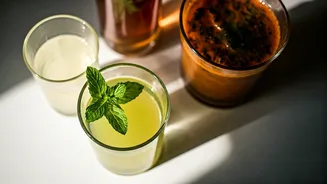
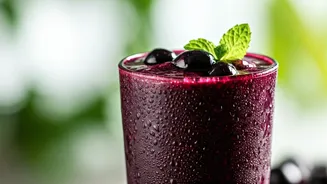
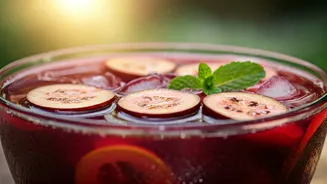
Fuelling this revolution is a new brigade of homegrown, artisanal brands. Small-batch producers are challenging the dominance of large multinational corporations by offering unique, high-quality alternatives. Walk into any upscale grocery store or browse online, and you'll find an explosion of options: cold brew coffees with complex flavour profiles, fermented kombuchas in flavours like jamun and hibiscus, and sophisticated non-alcoholic shrubs made from fruit, vinegar, and herbs. These brands champion a ‘craft’ ethos, emphasizing transparency, quality ingredients sourced locally, and sustainable practices. They are not just selling a drink; they are selling a story of craftsmanship and conscious consumption that resonates deeply with millennial and Gen Z audiences.
Tradition, Remixed and Revived
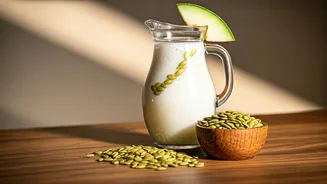
Perhaps the most interesting aspect of this trend is the revival of traditional Indian coolers. Drinks that our grandmothers made are being rediscovered and repackaged for a new generation. But this is not just nostalgia. Brands are giving classics like *aam panna*, *jaljeera*, *sattu*, and *chaas* a modern, ‘sensible’ makeover. They are being formulated with less salt and sugar, packaged in convenient, ready-to-drink formats, and sometimes infused with contemporary flavours. This fusion of tradition and modernity is a winning formula. It allows consumers to connect with their culinary heritage while still meeting their modern health and convenience needs. It’s proof that the most sensible solutions have often been in our own kitchens all along, just waiting for a fresh perspective.
The Cafe and Social Media Effect
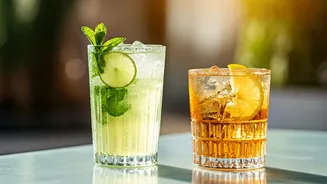
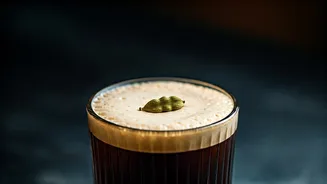
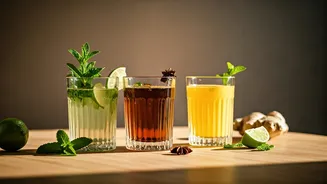
Cafes and restaurants have been crucial incubators for this trend. Their ever-changing menus are where many consumers first encounter drinks like cascara tea or nitro coffee. Instagram-worthy presentations make these new beverages highly shareable, creating a ripple effect on social media. Influencers and food bloggers showcase their colourful glasses of kombucha or expertly brewed iced teas, inspiring their followers to seek them out or even try making them at home. This digital exposure demystifies new drinks and creates aspiration, turning a niche cafe offering into a mainstream desire. The home bar, once reserved for alcoholic spirits, is now stocking artisanal tonic waters, ginger ales, and kombuchas, ready to be mixed or enjoyed on their own.