





What Are Compression Packing Cubes?
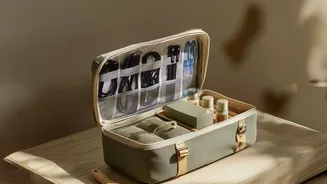
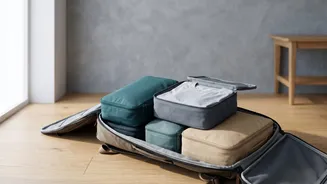
At first glance, compression packing cubes look just like regular packing cubes: small, zippered fabric containers used to organize items inside a suitcase. The key difference lies in a second, outer zipper. After you fill the cube and close the main
compartment, you then zip this second zipper, which runs around the perimeter. This action squeezes the cube, forcing out excess air and reducing its overall volume. The goal isn't to make your clothes lighter, but to make them significantly more compact, turning a loose pile of clothing into a dense, manageable block.
The Science of Saving Space
Unlike vacuum bags that require a pump to suck out air, compression cubes work mechanically through the force of the extra zipper. This design makes them more convenient for travel, as no extra equipment is needed. The process works best on soft, bulky items that have a lot of air trapped within their fibres, such as sweaters, fleece jackets, and towels. By compressing these items, you can reclaim valuable real estate in your carry-on, potentially freeing up enough space to avoid checking a bag altogether. Some tests show they can reduce the volume of soft goods by 30% to 60%. This system provides the organisational benefits of standard cubes while adding a powerful space-saving function.
Key Benefits for Carry-On Travellers
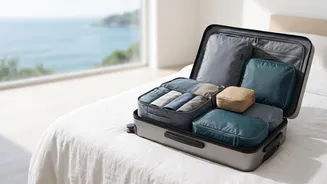
The most obvious benefit is maximizing space, which is crucial when dealing with the strict size limits of carry-on luggage. Beyond just fitting more in, these cubes help keep your suitcase impeccably organized. You can categorize your packing—tops in one cube, bottoms in another, for example. This makes it easy to find what you need without rummaging through your entire bag. When you arrive at your destination, you can simply transfer the cubes directly into hotel drawers, making unpacking and repacking a much faster process. This structured approach also prevents your clothes from shifting around and becoming a jumbled mess during transit.
Potential Downsides to Consider
While effective, compression cubes are not a perfect solution. Their biggest limitation is that they save space, not weight. It's easy to create a beautifully compact carry-on that is surprisingly heavy, putting you at risk for overweight baggage fees. Another major drawback is wrinkles. The force of compression can lead to significant creasing, especially in delicate fabrics like linen or formal wear like dress shirts. For this reason, many travellers use a hybrid approach: compression cubes for bulky casual wear and regular packing cubes for wrinkle-prone items.
How to Use Them Effectively
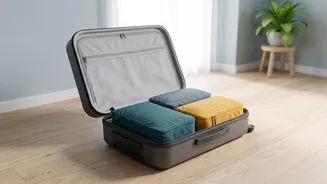
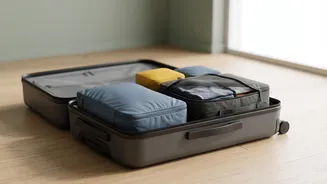
To get the best results, start by neatly rolling or folding your clothes to fit inside the cube. While both methods work, rolling is often preferred to minimize creasing. Pack the cube until it is full but not overstuffed, as this can strain the zippers. Close the main zipper first, then slowly and carefully close the second compression zipper, using your hands to press down on the cube to help expel air. Think of packing your suitcase like a game of Tetris: place the larger, heavier cubes at the bottom and fit smaller ones into the gaps. This creates a stable and organised bag that makes your travel experience much smoother.