




Why the Monsoon is a Perfect Storm for Germs
The monsoon season, with its high humidity and moisture, creates an ideal breeding ground for harmful bacteria, viruses, and parasites. Food spoils much faster in this weather. Once a fruit is cut, its natural protective peel is gone, leaving the flesh
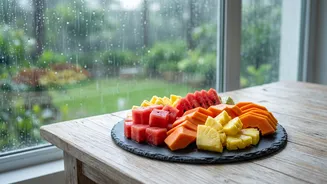
exposed. In the damp air, bacteria like E. coli and Salmonella can multiply rapidly on the surface of sliced fruits like watermelon, papaya, and cucumber that have been left out in the open. This combination of a vulnerable food source and an environment perfect for microbial growth is the primary reason for concern.
The Hidden Danger of Contaminated Water
A major and often invisible risk comes from the water used by vendors. During the monsoon, heavy rains can lead to overflowing drains and sewage systems, contaminating municipal water supplies. This contaminated water may be used to wash the fruits, the knives, the cutting boards, and even the vendor's hands. What appears to be a clean rinse could actually be introducing dangerous pathogens like those that cause cholera, typhoid, and hepatitis A directly onto the fruit you're about to eat.
Cross-Contamination and Unsanitary Handling
The hygiene of the vendor and their equipment plays a crucial role. A cutting board that is constantly wet from the humid air can become a thriving colony for bacteria. Knives used for multiple fruits without proper washing can spread contamination from one piece to the next. Furthermore, many vendors handle money and food without washing their hands in between, which is a classic route for transferring germs. Studies on street vendor hygiene have often noted a lack of consistent hand washing and the use of gloves, which increases the risk of foodborne illness.
Flies, Dust, and Other Unwanted Guests
Cut fruit left exposed on a cart is an open invitation for flies and other insects. The monsoon season often sees an increase in the fly population, and these insects are notorious carriers of disease. They may have landed on garbage or in drains before landing on the fruit, transferring countless germs. Roadside dust and pollution also settle on uncovered food, adding another layer of potential contaminants that can lead to gastrointestinal infections and other health issues.
Common Illnesses and Who Is Most at Risk
Consuming contaminated fruit can lead to a range of unpleasant and sometimes serious illnesses, including gastroenteritis, diarrhoea, typhoid, cholera, and hepatitis A. Symptoms can range from stomach cramps and vomiting to high fever and jaundice. While anyone can get sick, children, the elderly, pregnant women, and individuals with weaker immune systems are particularly vulnerable to severe infections from foodborne pathogens.
How to Enjoy Monsoon Fruits Safely
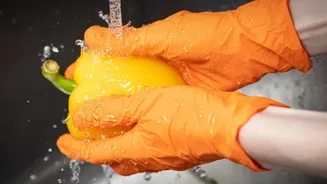
This doesn't mean you have to give up fruit entirely. The safest approach is to buy whole, uncut fruits. Take them home, wash them thoroughly under clean, running water, and cut them yourself right before eating. When buying from vendors, choose fruits that you can peel yourself, such as bananas or oranges, as the peel provides a natural barrier. It is also generally safer to opt for freshly cooked street food that is served piping hot, as the heat helps to kill most harmful germs. By being mindful of these risks, you can make smarter choices and enjoy the flavours of the season without compromising your health.