

The Core Principles of Fasting
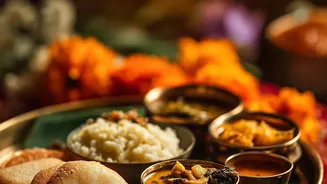
The Janmashtami fast, or 'upvas', is an expression of devotion. While some observe a strict 'nirjala' fast without food or water, most opt for a 'phalahar' fast, which permits certain foods. The primary rule for a phalahar vrat is to avoid all grains
and cereals, such as wheat and rice, as well as lentils and pulses. Additionally, ingredients considered 'tamasic' or those that create restlessness, like onion and garlic, are strictly prohibited. The diet should be 'satvik'—pure, light, and easy to digest, keeping the mind calm and focused on prayer. Lastly, regular table salt is replaced with sendha namak, or rock salt, for all preparations.
Foods You Can Enjoy During the Vrat
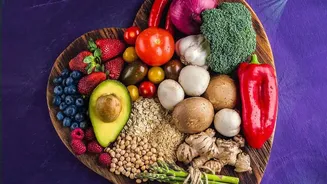
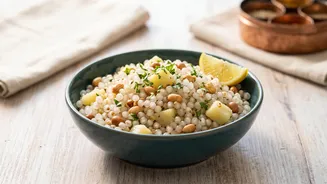
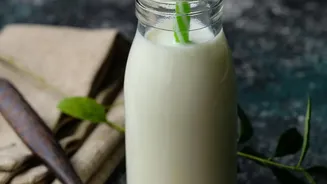
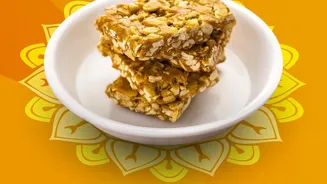
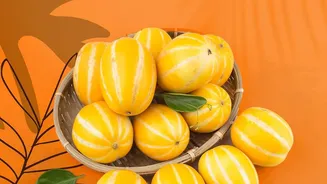
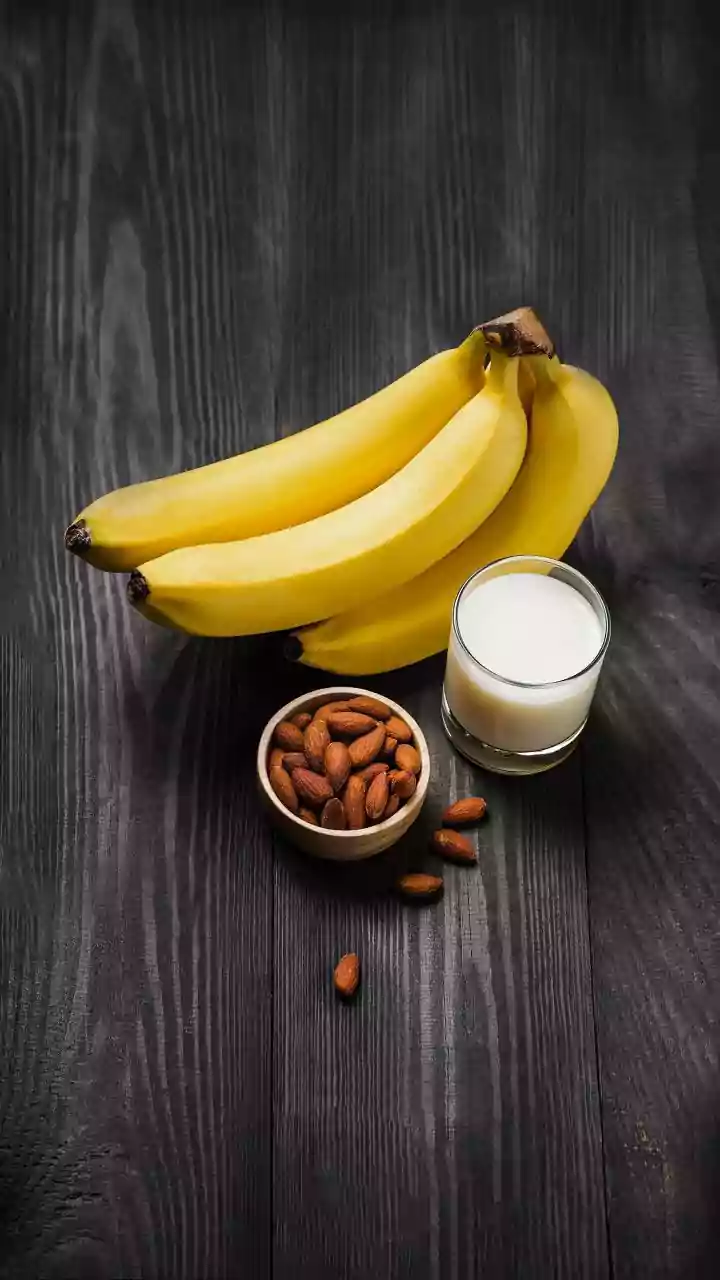
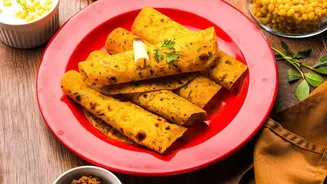
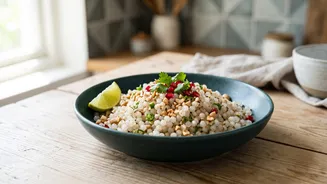
The 'phalahar' diet is far from restrictive and includes a variety of nutritious options. You can consume all types of fresh fruits like bananas, apples, and pomegranates. Dairy products such as milk, curd (yoghurt), paneer, and buttermilk are central to the fasting diet. For carbohydrates and substance, special 'vrat-friendly' flours are used. These include kuttu ka atta (buckwheat flour), singhare ka atta (water chestnut flour), and rajgira ka atta (amaranth flour). Samak ke chawal (barnyard millet) and sabudana (tapioca pearls) serve as excellent grain substitutes for making dishes like khichdi and kheer. Vegetables like potatoes, sweet potatoes, pumpkin, and raw banana are also permitted. For snacks and energy, you can rely on nuts, seeds, and roasted makhana (fox nuts).
What to Strictly Avoid
To maintain the sanctity of the fast, a specific list of foods must be avoided. All grains and cereals, including wheat, rice, oats, and maize, are forbidden. This also extends to all types of lentils and pulses (dals). Non-vegetarian food, including meat, fish, and eggs, is strictly off-limits. As mentioned, onion and garlic are not to be used in any preparation. Regular table salt should be completely replaced with rock salt (sendha namak). It is also traditional to avoid alcohol and tobacco during this sacred period.
A Sample Meal Plan for the Day
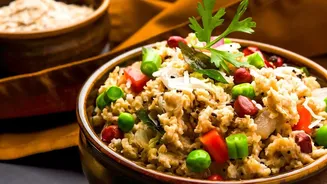
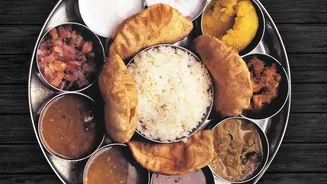
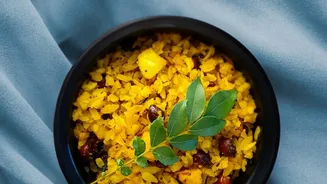
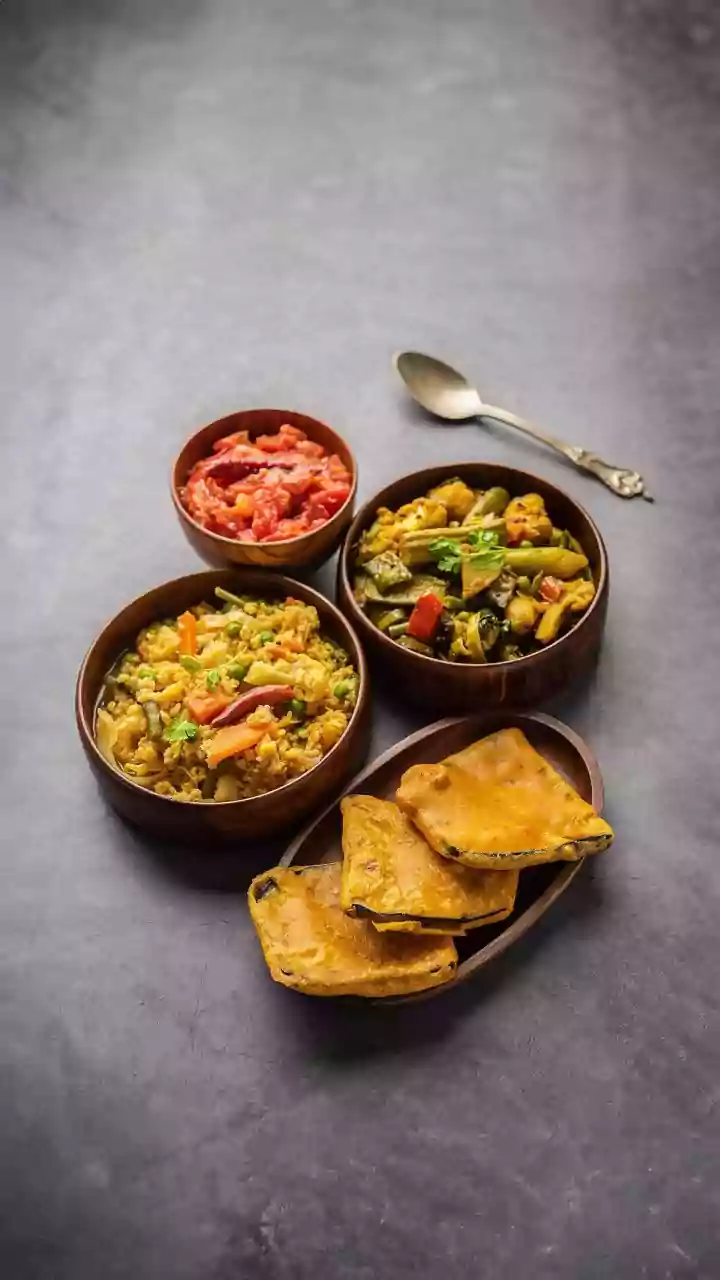
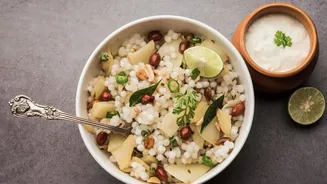
To keep energy levels stable, it's wise to eat small, permitted meals throughout the day. You could start your morning with a glass of milk or a bowl of fresh fruit. For a midday meal, a light Sabudana Khichdi or some Kuttu ki Puri with a simple potato curry (made with rock salt and tomatoes) works well. If hunger strikes in the afternoon, a handful of roasted makhana or a fruit chaat can be a refreshing snack. In the evening, you might have a glass of lassi or a bowl of Samak Rice Kheer. This approach prevents the fatigue that comes from long gaps between meals.
Don't Forget Hydration and Energy
Fasting doesn't mean you should skip hydration, unless you are observing a nirjala vrat. Drinking water throughout the day is crucial to avoid dehydration, headaches, and fatigue. Coconut water is an excellent choice as it helps replenish electrolytes naturally. Fresh fruit juices (without added sugar) and milk-based drinks like buttermilk (lassi) can also keep you hydrated and energized. A common mistake is to overindulge in deep-fried fasting foods like pakoras and vadas. While permissible, these can lead to sluggishness. Opting for roasted, steamed, or boiled preparations will help you feel lighter and more energetic.
Breaking the Fast (Parana)
The fast is traditionally broken after the midnight puja celebrating Lord Krishna's birth, though some devotees wait until sunrise the next day. The 'Parana' should be done mindfully. After a day of fasting, it's best to start with something light. The prasad offered during the puja, often panchamrit or a fruit, is the ideal first thing to consume. Following this, you can have a glass of milk or a light dish like sabudana kheer before moving on to a fuller satvik meal.