






As winter's chill arrives, apartment gardeners face a unique challenge: protecting potted plants from the cold. A simple, natural solution lies in organic compost, a powerful tool for shielding vulnerable roots from dropping temperatures.
The Winter Challenge for Balcony Pots
Plants in the
ground benefit from the earth's natural insulation, which keeps their roots at a relatively stable temperature. Balcony plants in containers, however, are far more exposed. The limited soil in a pot freezes much faster and more deeply than garden soil. This exposes roots to damaging freeze-thaw cycles, where the soil repeatedly freezes at night and thaws during the day, which can stress and even kill the plant. Strong, cold winds can also strip moisture from both foliage and soil, leading to dehydration. Essentially, a pot offers little protection, making winter care a critical task for the urban gardener.
How Compost Creates a Thermal Shield
Adding a thick layer of organic compost on top of the soil in your pots acts like a natural blanket. This 'mulch' layer serves several protective functions. Firstly, it provides physical insulation, slowing the penetration of cold air into the soil and buffering the roots from sudden temperature drops. Secondly, well-made compost is teeming with beneficial microorganisms. As these microbes continue to break down the organic matter, they generate a small but steady amount of heat. This gentle warmth helps to maintain a more stable temperature around the root zone. Finally, the compost layer helps retain soil moisture and prevents the surface from crusting over or eroding from winter rain and wind.
Selecting Your Organic Compost
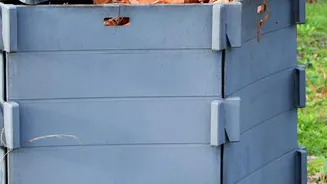
Not all compost is created equal, but for the purpose of winter insulation, the choice is straightforward. You are looking for a mature, well-rotted organic compost. It should be dark, crumbly, and have a pleasant, earthy smell. You can use compost made in your own balcony composter or purchase bagged organic compost from a local nursery or garden centre. Look for products labelled as 'finished compost', 'soil improver', or 'organic humus'. Avoid using fresh, unfinished compost, as it can contain pathogens or 'burn' plant roots. The key is to use a material rich in stable organic matter, which will provide the best insulating properties and slowly release nutrients for a spring boost.
A Practical Guide to Applying Compost
Applying a compost layer is a simple task that takes only a few minutes per pot. The best time to do this is in late autumn, after you've cleaned up any dead leaves or spent annuals but before the first deep freeze sets in. First, gently remove any existing weeds or debris from the soil surface. Then, apply a generous layer of compost, aiming for a depth of two to three inches. Be careful not to pile the compost directly against the main stem or crown of the plant, as this can trap too much moisture and encourage rot; leave a small gap around the base. There is no need to dig it in. Simply lay it on top and water lightly to help it settle. This blanket will now work to protect the roots throughout the cold months.
Extra Steps for Winter Protection
While compost provides excellent root protection, you can enhance your balcony's winter defences with a few additional strategies. Grouping pots together close to a house wall can create a warmer microclimate, sheltering plants from the worst of the wind and benefiting from the building's residual heat. For extremely cold snaps, you can wrap the outside of the pots with insulating materials like burlap or bubble wrap to give the roots even more protection. Also, ensure your pots have good drainage, as waterlogged soil that freezes can be fatal to roots. Elevating pots on small 'feet' or stands can help ensure excess water drains away freely.