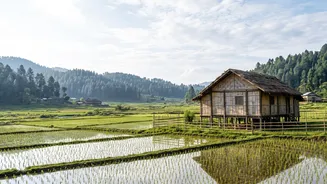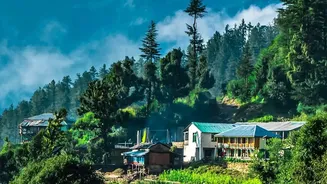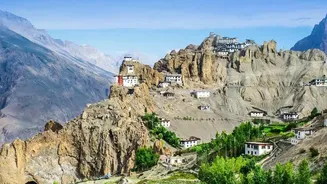


The Main Event: Ziro Festival of Music
The heart of Ziro's music season is the Ziro Festival of Music, an eco-friendly event celebrating independent artists from across the globe. For 2026, the festival is scheduled from September 24 to 27. It’s renowned not just for its eclectic lineup but
also for its intimate, community-focused atmosphere, hosted by the local Apatani tribe. Expect a diverse mix of genres, with over 40 artists from India and countries like Sri Lanka, Nepal, and South Korea set to perform. This year’s lineup includes veterans like Parikrama and Sukhbir alongside emerging acts. Unlike larger commercial festivals, Ziro emphasizes a shared experience without a rigid headliner hierarchy, making every performance feel special. A full four-day pass offers the complete experience, but day passes are also available for those on a tighter schedule.
First Things First: Permits and Travel
Before you even think about packing, know that all non-resident Indian citizens need an Inner Line Permit (ILP) to enter Arunachal Pradesh. The good news is that this process is now quite straightforward. You can apply online through the official government portal by providing a photo ID, a passport-sized photograph, and your intended travel dates. The process is often approved the same day. The journey to Ziro itself is part of the adventure. The most common route is to fly or take a train to Guwahati in Assam. From Guwahati, you can take an overnight bus or a train to Naharlagun, the nearest railway station to Ziro. From Naharlagun, it’s a 3 to 4-hour taxi ride through scenic mountain roads to reach the valley.
Budget Stays: Homestays and Camping
Ziro offers a wealth of budget-friendly accommodation that enhances the experience. The most popular options are homestays and festival campsites. Homestays allow you to live with local Apatani families, offering an unparalleled cultural immersion with home-cooked meals. Prices can start from around ₹1,200 to ₹2,500 per night, providing great value. During the festival, numerous campsites spring up, offering pre-pitched tents. This is not only economical but also places you right in the heart of the festival community. Many travel companies offer packages that include camping, but be sure to check if the festival pass is included, as it often needs to be purchased separately. Booking your accommodation well in advance is crucial, especially during the festival period, as the best and most affordable spots fill up quickly.
The 'Work' in Workation: Connectivity and Balance
A workation in Ziro is feasible, but it requires planning. While the valley was once an 'internet dark zone', significant efforts have been made to improve connectivity. Many homestays and some cafes now offer Wi-Fi. However, it's wise to set realistic expectations. Internet speeds may not be as reliable or fast as in a major city, and connectivity can be patchy in more remote parts of the valley. It is essential to have a backup mobile data plan from a provider known to work in the region. The key to a successful workation here is balance. Dedicate specific hours for work, perhaps in the mornings, leaving your afternoons and evenings free to explore the stunning landscapes, visit Apatani villages, and soak in the festival's atmosphere. Don't overschedule your workdays; the magic of Ziro lies in its unhurried pace.
Keeping Costs Down: Food and Local Transport
Beyond accommodation, living in Ziro can be very affordable. The valley is dotted with small local eateries and dhabas where you can enjoy delicious and filling meals for a fraction of what you’d pay in a metro city. A local thali, momos, or noodle dishes are both authentic and easy on the wallet. When it comes to local transport, walking is the best way to explore the areas around Hapoli (the main town) and the festival grounds. For longer distances, shared taxis are a common and economical mode of transport. By opting for local food, walking when possible, and choosing budget-friendly stays, you can easily manage a week-long trip without breaking the bank, with daily costs for food and accommodation potentially staying within ₹1,500-₹2,000.