





More Than a Meal, an Experience
Not long ago, a festive restaurant offer meant a simple discount or a complimentary dessert. Today, that approach is all but gone. Restaurants are now curating immersive experiences that go far beyond the plate. The strategy has shifted from merely offering
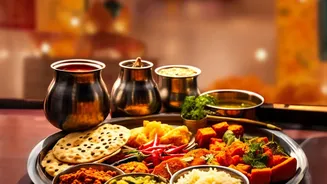
food to creating a cultural connection and a sense of novelty that diners crave. This includes everything from thematic decor like regional artwork and traditional textiles to custom signage that explains the history of the dishes being served. The goal is to create an atmosphere that transports diners, making the meal a memorable event rather than just a transaction. This pivot towards experiential dining taps into the deep cultural and emotional resonance of festivals, turning restaurants into vibrant hubs of celebration.
The Onam Sadhya Blueprint
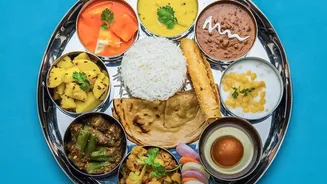
Perhaps no festival illustrates this trend better than Onam. Restaurants across the country now meticulously plan and execute the Onam Sadhya, a grand vegetarian feast traditionally served on a banana leaf. From five-star hotels to local eateries, chefs are offering elaborate spreads featuring over 25 authentic dishes, including classics like avial, olan, erissery, and multiple payasams. Many establishments offer both dine-in and takeaway options, with some even providing non-vegetarian additions to the traditional sadhya. This focus on authenticity, right down to specific regional recipes and presentation, has proven to be a massive draw, attracting both those celebrating the festival and curious food enthusiasts eager for a genuine cultural experience.
A Year-Round Festive Calendar
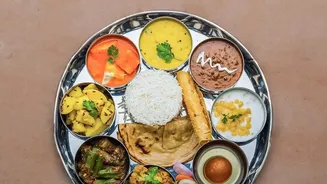
The trend isn't limited to Onam and Diwali. Restaurants are now embracing a much wider array of festivals. During Navratri, a time of fasting for many, kitchens that once saw a dip in business are now bustling. They offer specially curated 'vrat' or 'sattvik' thalis that adhere to fasting rules but are presented with a creative, modern flair. These menus often feature innovative dishes using fasting-friendly ingredients like buckwheat (kuttu), water chestnut flour, and tapioca (sabudana). Similarly, festivals like Holi, Eid, and Christmas are marked with special menus, brunches, and themed events, turning the entire year into an opportunity for culinary celebration.
The Strategy Behind the Celebration
So, what's driving this change? It's a savvy blend of cultural insight and smart business. For restaurants, these festival campaigns do more than just boost sales during a specific period; they build brand loyalty and create excitement. By tying their offerings to cultural events, they position themselves as community hubs rather than just places to eat. Digital marketing plays a huge role, with social media campaigns, influencer collaborations, and behind-the-scenes content generating buzz well before the festival begins. Furthermore, in an age where diners seek authenticity and stories behind their food, these festive menus offer a powerful narrative that connects with customers on an emotional level, encouraging them to return long after the decorations have come down.