

The Heart of Polenta: Cornmeal
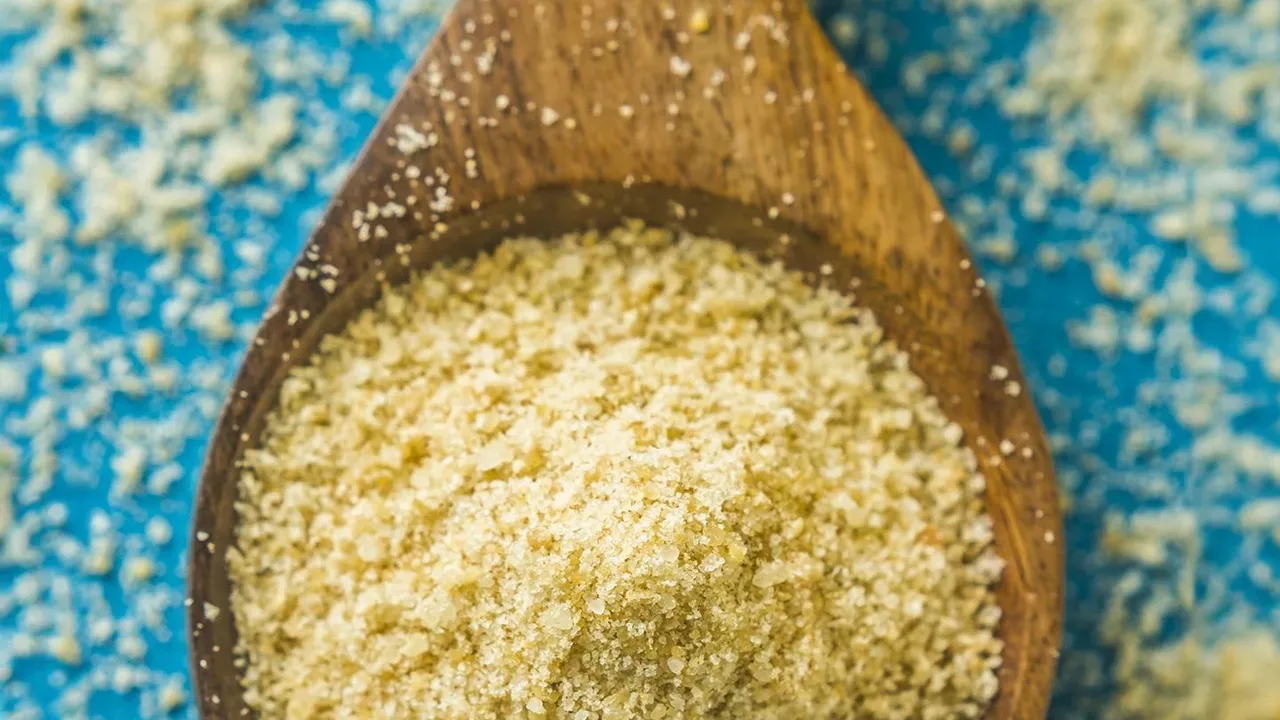
At its core, polenta is simply cornmeal boiled in water, stock, or milk until it becomes a thick, luscious mass. Though it sounds straightforward, the final texture and flavour are heavily influenced by the type of cornmeal you choose. The term 'polenta'
often refers to both the finished dish and the specific type of cornmeal used to make it, which is typically a medium or coarse grind of yellow corn. Finer grinds will produce a softer, smoother polenta, while coarser grinds give a more robust, textured result that holds its shape well. While you can find cornmeal labeled 'polenta', other stone-ground yellow cornmeals will also work beautifully. Some cooks prefer the delicate flavour of white cornmeal, which yields a milder, creamier dish.
Mastering Soft and Creamy Polenta
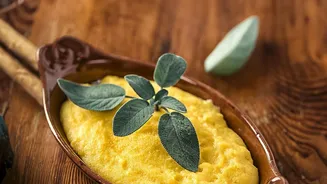
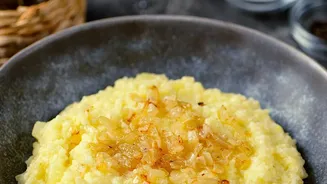
For a soft, porridge-like consistency that pairs wonderfully with rich sauces and stews, the key is the liquid ratio and consistent attention. A common ratio for creamy polenta is 5 parts liquid to 1 part cornmeal by volume. Many traditional recipes call for water, but using chicken or vegetable stock, milk, or a combination will add significant depth and richness. To avoid lumps, a foolproof method is to whisk the cornmeal into cold liquid before turning on the heat. Bring the mixture to a simmer, whisking frequently, then reduce the heat to low and cook for 30 to 45 minutes. Stirring every five to ten minutes prevents it from sticking. The polenta is ready when it is tender, pulls away from the sides of the pot, and is no longer gritty. For an extra-luxurious finish, stir in butter and grated Parmesan cheese just before serving.
Perfect Pairings for Creamy Polenta
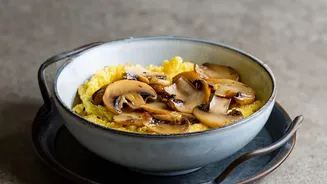
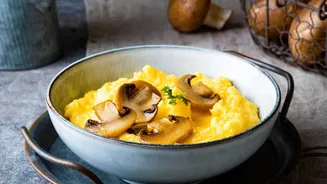
Creamy polenta is a perfect canvas for hearty, flavourful toppings. It's traditionally served with rich meat ragus, such as wild boar or braised short ribs, as its texture is ideal for soaking up delicious sauces. It also shines alongside slow-cooked osso buco or a simple chicken Marsala. For vegetarian options, serve it topped with roasted Mediterranean vegetables, a savory mushroom stew, or cacio e pepe Brussels sprouts. A simple topping of sautéed mushrooms with garlic and herbs is a classic and satisfying choice.
Creating Firm Polenta for Slicing
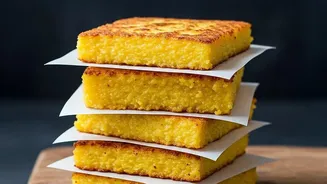
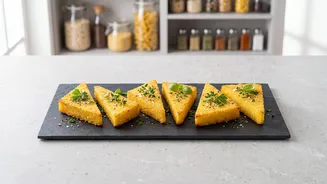
To make polenta that can be set, sliced, and grilled or fried, you'll need to adjust the liquid ratio. A firmer polenta generally uses a 3:1 or 4:1 ratio of liquid to cornmeal. Cook the polenta using the same method as the creamy version, stirring until it becomes very thick and pulls away cleanly from the sides of the pan. Once cooked, immediately pour the hot polenta into a greased or parchment-lined baking dish or loaf pan. Spread it into an even layer and allow it to cool to room temperature. For the firmest set, cover and refrigerate for at least four hours, or overnight. Once completely chilled and firm, the polenta can be turned out and cut into squares, triangles, or rounds for further cooking.
Tips for Perfect Grilled Polenta
Grilling adds a wonderful smoky char and crispy texture to firm polenta. The most important tip is to ensure your grill is preheated to medium-high (around 400-450°F) and well-oiled to prevent sticking. Cut the chilled polenta into thick, ½-inch slices for durability. Brush each side of the polenta slices with olive oil before placing them on the hot grates. The secret to success is patience: let the polenta cook undisturbed for 5-7 minutes per side. It will form a crust and release easily from the grill when it's ready to be flipped. If you try to move it too soon, it will stick and break apart.
Serving Suggestions for Grilled Polenta
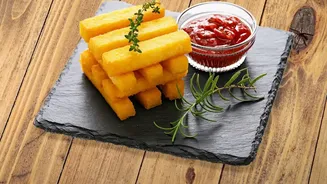
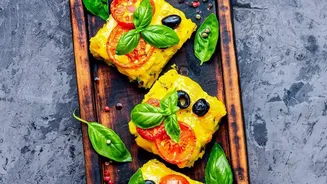
Grilled polenta slices are incredibly versatile. Serve them as a simple side dish alongside grilled chicken, steak, or sausages. They can also be used as a creative base for appetizers. Top warm slices with a fresh tomato bruschetta, a slice of mozzarella and basil for a Caprese-style bite, or a dollop of savoury mushroom pâté. For a heartier meal, pile them high with pulled pork, a spicy shrimp Fra Diavolo, or your favorite stew. They offer a fantastic gluten-free alternative to bread or crostini.