


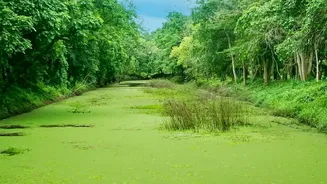
The Endless Green of Tea Estates
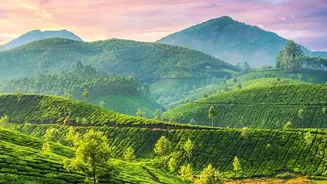
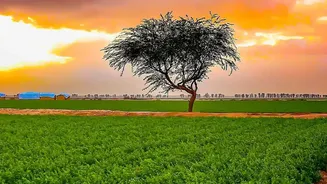
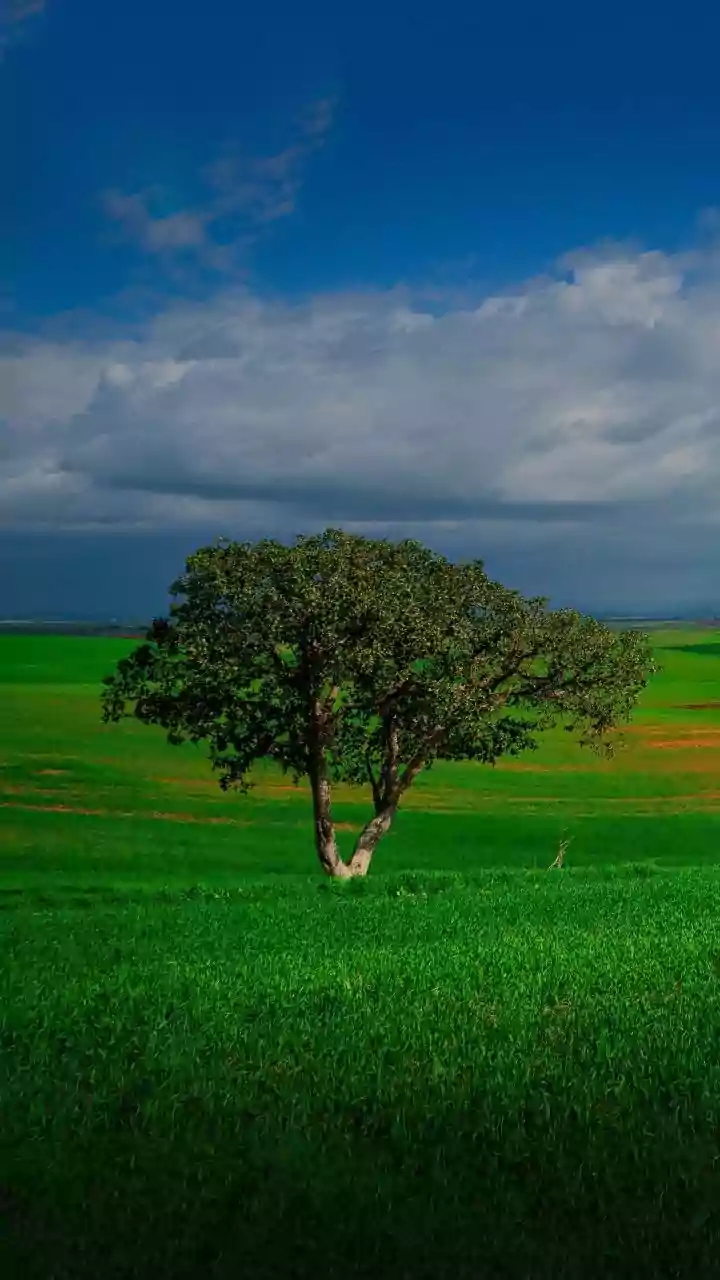
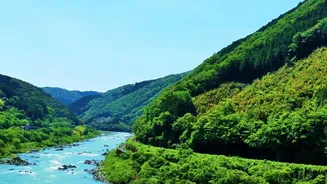
Imagine endless rolling hills of green, so vibrant it almost hurts your eyes. That's Assam's tea country during the monsoon. From June to September, the rains breathe new life into the plantations around Jorhat and Dibrugarh. The freshly washed leaves
of the Camellia sinensis plant glisten, and the air is thick with the scent of wet earth and brewing tea. A drive through these estates is a meditative experience, with curtains of mist parting to reveal stunning vistas. Many tea bungalows offer heritage stays, allowing you to sip a cup of the region's finest brew from a colonial-era verandah while watching the rain nourish the land that produced it. The entire experience is a sensory delight, from the rhythmic sound of rain on the roof to the lush scenery that stretches to the horizon.
Haflong's Misty Mountain Allure
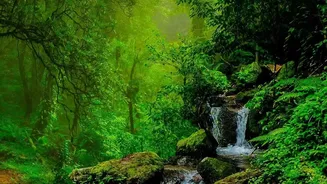
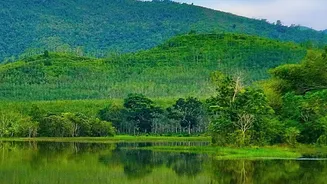
Known as the only hill station in Assam, Haflong becomes a mystical paradise during the monsoon. Often called the 'Switzerland of the Northeast', its charm multiplies when clouds descend upon its hills and valleys. The temperature remains pleasant, making it perfect for those looking to escape the heat of the plains. The rain gives birth to countless impromptu waterfalls that cascade down the green slopes. Trekking paths become more adventurous, leading you through orchid-laden forests and misty ridges. You can spend your days exploring the serene Haflong Lake, its waters reflecting the moody grey skies, or simply find a quiet spot to watch the clouds drift by.
Majuli: An Island Reimagined
A visit to Majuli, the world's largest river island, is a unique proposition during the monsoon. While the season brings the risk of floods and makes travel unpredictable, it also offers a view of the island at its most raw and powerful. The mighty Brahmaputra river swells, transforming the landscape and the way of life for its inhabitants. For the prepared traveller, it’s a chance to witness the resilience of the local Mishing community and experience their culture in stilt houses, or 'chang ghars', designed to coexist with the river. The island is a lush, green spectacle, and a visit to its Vaishnavite monasteries, known as Satras, feels even more serene and spiritual amidst the sound of falling rain.
Wildlife Spotting With a Difference
While the core areas of major national parks like Kaziranga and Manas are closed during the monsoon due to flooding, the season offers different opportunities for wildlife enthusiasts. Animals often move to higher ground, sometimes becoming visible from the highways that border the parks. Pobitora Wildlife Sanctuary, known for its dense population of one-horned rhinoceroses, sometimes remains partially accessible and provides an adventurous safari experience. Furthermore, parks like Dibru-Saikhowa, a biosphere reserve made of wetlands, are open year-round and can be explored by boat, offering a fantastic chance for birdwatching as the rains attract numerous species.
Practical Tips for Your Monsoon Trip
Travelling to Assam during the monsoon requires some planning. While the beauty is undeniable, the rains can cause disruptions. Be prepared for potential travel delays, especially in low-lying and landslide-prone areas. Pack waterproof clothing, sturdy footwear with good grip, and a reliable rain cover for your bags and electronics. It's also wise to have a flexible itinerary. The monsoon is a time for slow travel, not a packed schedule. Stay informed about local weather conditions and road accessibility. Despite these challenges, the rewards are immense: fewer crowds, lower prices, and a chance to see Assam in its most verdant and dramatic form.