








The Annual Monsoon Gamble
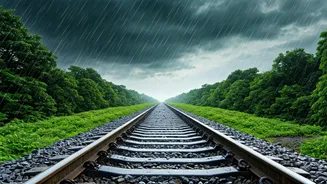
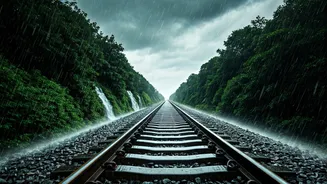
Every year, as the monsoon blankets the subcontinent, train travel transforms into a game of chance. The very rains that create breathtaking landscapes also bring immense challenges to the Indian Railways network. Waterlogging on tracks, especially in low-lying
urban areas, can bring services to a halt. In hilly terrains like the Western Ghats, the risk of landslides is ever-present, sometimes leading to diversions or, in worst-case scenarios, outright cancellations. Recent incidents, such as service cancellations in Mumbai due to heavy rainfall, underscore the seasonal risks. For passengers, this has traditionally meant a period of uncertainty, with rigid tickets often leading to financial loss and last-minute travel anxiety if plans go awry.
A New Toolkit for Flexibility
While there isn't a single magic button labelled 'flexible itinerary', a series of recent and existing Indian Railways policies, when used together, create a powerful toolkit for the savvy traveller. These rules empower passengers to adapt to the monsoon's unpredictability. One of the most useful recent changes allows passengers to digitally modify their boarding station up to 30 minutes before the train's scheduled departure. This is a significant advantage in large cities where one part might be waterlogged while another remains accessible. Instead of forfeiting a ticket, a passenger can simply choose to board from a more convenient station along the route, providing a practical solution to localized disruptions.
Smarter Booking and Cancellation
The strategy around booking and cancelling tickets has also evolved. A few years ago, the Advance Reservation Period (ARP) was shortened from 120 days to 60 days. This move was designed to curb bulk booking by touts and has had the welcome side effect of ensuring more tickets are available for genuine travellers closer to their travel date. Furthermore, revised cancellation rules introduced in early 2026 provide a clear, tiered structure for refunds. Passengers who cancel more than 72 hours in advance receive the maximum refund. While penalties increase closer to the departure time, this transparent system allows travellers to monitor weather forecasts and make informed decisions, knowing exactly what the financial implications will be. This clarity turns a rigid ticket into a more adaptable travel plan.
Planning for the Unpredictable
True flexibility during the monsoon comes from combining these official rules with smart travel practices. Technology is your best friend here. Before even leaving for the station, regularly check the live running status of your train using official apps and websites. These services provide real-time data on delays and diversions, preventing long, unnecessary waits at the station. It's also wise to be aware of potential alternative routes to your destination. In the event of a major blockage, the railways will often reroute trains where possible, and knowing these options can ease your mind. Finally, packing appropriately with waterproof bags for electronics and luggage can save your belongings and reduce stress, allowing you to focus on the journey itself.
Embrace the Monsoon Mindset
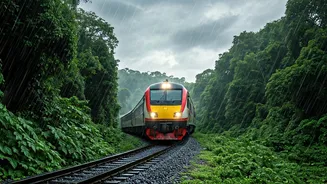
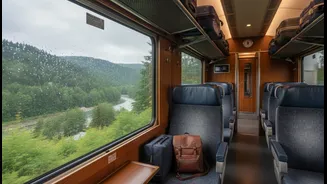
Ultimately, the best tool is a flexible mindset. Building an extra day or two into your travel plans can turn a potential delay from a crisis into a minor inconvenience. This season is also a great opportunity to explore some of India's most scenic routes, which truly come alive in the rain. Journeys on the Konkan Railway, the Vande Bharat Express to Goa, or through the Western Ghats towards Pune offer spectacular views of waterfalls, lush valleys, and rain-washed landscapes that are worth the trip alone. By using the available tools to mitigate risks, travellers can free themselves up to truly appreciate the unparalleled beauty of India by rail during the monsoon.