







The Call for Rocket Scientists
Skyroot Aerospace, a key player in India's burgeoning private space industry, has intensified its search for top-tier engineering talent. The company is seeking specialists across various disciplines, including mechanical engineering, avionics, and software
development, to bolster its team. This hiring push is directly linked to the final preparations for the highly anticipated test flight of Vikram-1, scheduled for July 18, 2026. The mission, named 'Aagaman' or 'Arrival', signals the company's transition from development to a full-fledged commercial launch provider, a move that requires a significant expansion of its skilled workforce to ensure mission success and future launch cadence.
Vikram-1: India's Private Space Race Heats Up
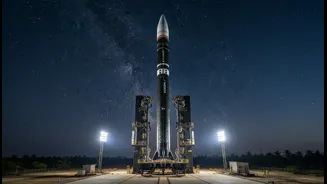
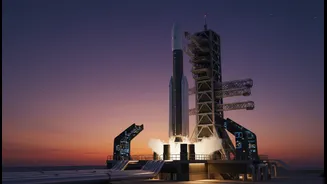
The Vikram-1 is not just another rocket; it represents a landmark moment for India's commercial space ambitions. Named after the father of India's space programme, Dr. Vikram Sarabhai, it is the country's first privately developed orbital-class rocket. Standing seven storeys tall, the multi-stage vehicle is designed to carry small satellites, weighing up to 350 kg, into Low Earth Orbit. A successful test flight on July 18 from the Satish Dhawan Space Centre in Sriharikota would be a monumental achievement, proving that a private Indian company has the capability to place satellites in orbit—a feat that could significantly disrupt the global small satellite launch market. The mission follows the company's successful suborbital launch of Vikram-S in November 2022, which was the first privately built Indian rocket to reach space.
More Than Just One Company's Mission
Skyroot's progress is emblematic of a much larger trend. Since the Indian government opened the space sector to private participation in 2020, a vibrant ecosystem of startups has emerged. Companies like Agnikul Cosmos, Dhruva Space, and Pixxel are also making significant strides, creating a competitive and innovative domestic industry. This boom is attracting talent, including experienced scientists from the Indian Space Research Organisation (ISRO), who are drawn to the agility, leadership roles, and entrepreneurial opportunities in the private sector. The growth has been rapid, with over 400 registered space startups in India now, a dramatic increase from just a handful before the policy changes.
Fueling India's Economic Engine
The rise of private space companies like Skyroot is about more than national pride; it's a significant economic driver. India's space economy, currently valued at around $8 billion, is projected to surge to over $40 billion within the next decade. A domestic, commercially viable launch capability reduces India's reliance on foreign rockets and positions the nation as a competitive destination for international satellite customers. This creates high-value jobs, stimulates advanced manufacturing, and has a multiplier effect across the economy. The government's supportive policies, including the establishment of IN-SPACe as a single-window agency, have been crucial in fostering this growth.
From Startup to Spacelift
Founded in 2018 by former ISRO scientists Pawan Kumar Chandana and Naga Bharath Daka, Skyroot Aerospace has quickly moved from a promising startup to the cusp of orbital flight. Their mission has been clear: to make spaceflight as regular and affordable as air travel. The upcoming Vikram-1 launch is the culmination of nearly 3,000 days of work by a team of around 1,000 people and contributions from over 400 suppliers. “We have done everything that could be done to test Vikram-1 on the ground. On 18 July, we are eager to see how Vikram-1 performs in a real flight environment for the first time,” said CEO Pawan Kumar Chandana. This talent search is the next logical step in that journey, ensuring the company has the human capital to not just launch, but to launch repeatedly and reliably.