






The Irresistible Pull of Rainy Day Cravings
There's a reason the arrival of rain triggers a near-Pavlovian desire for certain foods. Across India, the monsoon has always been synonymous with specific culinary comforts. Think of street vendors expertly roasting bhutta (corn on the cob) over hot
coals, its smoky aroma mingling with the damp air. Or picture a plate of assorted, freshly-fried pakoras served with a steaming cup of masala chai. These aren't just snacks; they are deep-seated traditions, a form of sensory nostalgia that connects us to the season. The cooler weather and grey skies create a natural craving for warm, hearty, and often fried foods that feel like a hug from the inside. This shared cultural experience, passed down through generations, forms the very foundation of the modern monsoon menu.
From Street-Side Staples to Curated Menus
What was once a spontaneous dash to a local vendor has evolved into a planned-out weekend activity. Restaurants, from quaint cafes to five-star establishments, have recognized this powerful emotional connection and formalized it. They are creating dedicated monsoon menus that not only feature the classics but elevate them. You'll still find pakoras, but they might be inventive versions made with lotus stem, paneer, or even prawns. Samosas might get a gourmet twist, and chai is often presented in artisanal blends. This transition from the street to the restaurant table turns a simple craving into a complete dining experience, giving people a compelling reason to step out and socialize, even when it's pouring outside.
What's Cooking This Season?
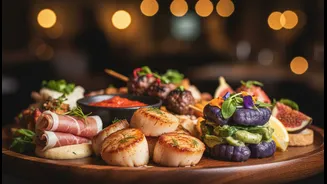
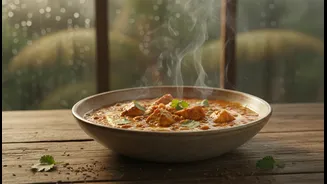
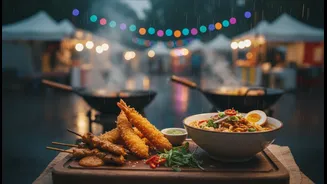
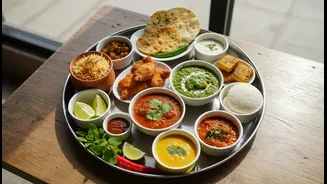
Today's monsoon menus are a delicious mix of the traditional and the contemporary. The undisputed stars are still the classics: assorted pakora platters, vada pav, and samosa chaat feature prominently. However, chefs are also expanding the palate. Steaming, hearty one-bowl meals from across Asia—like Japanese ramen, Vietnamese pho, and Tibetan thukpa—are becoming increasingly popular choices, offering warmth and satisfaction. Many menus also feature special chaat boards with generous portions of regional favorites, like Punjabi Samosa Chaat and Ragda Pattice. To complement the food, beverage lists are getting creative with spiced hot chocolates, immunity-boosting kadhas, and even warm cocktails like a Masala Toddy.
The Smart Business of Comfort
For restaurants, the monsoon can often be a slow season. Specialised menus are a clever marketing strategy to combat this slump. They create an event, a limited-time offering that generates buzz and encourages footfall. These menus are also highly profitable. The core ingredients for most monsoon bestsellers—gram flour, potatoes, onions, lentils, and tea—are low-cost staples with a long shelf life. This allows restaurants to achieve high-profit margins while serving food that perfectly matches customer cravings. By bundling items, like a 'Chai and Pakora Combo,' they can increase the average order value, turning the rainy season into a financially rewarding one.
More Than a Meal, It's a Weekend Vibe
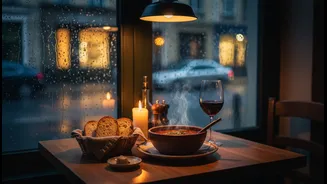
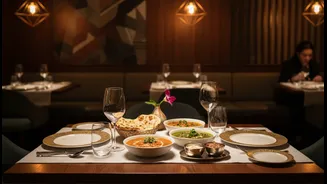
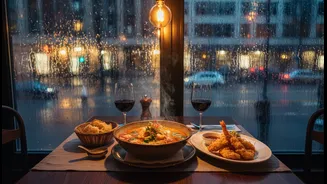
Ultimately, the rise of the monsoon menu is about more than just food; it's about crafting an entire experience. These specials are designed for sharing, for lingering over conversations while the rain patters against the windowpane. Restaurants often create a cozy, inviting ambiance to match the mood, encouraging diners to slow down and connect. This has firmly embedded the monsoon menu into the fabric of urban weekend culture. It's no longer just about seeking shelter from the rain; it's about seeking out a specific kind of comfort, community, and culinary delight. It has become a scheduled, celebrated part of the season, transforming a weather pattern into a social ritual.