





The Myth of the Perfect Posture
For generations, the advice has been simple and stern: shoulders back, chin up, spine straight. We try to hold this textbook-perfect posture at our desks, only to find ourselves slumping within minutes, often with a twinge of guilt. The good news is,
experts now say we should let go of this guilt. The idea of one ideal posture that must be maintained for hours is largely a myth. In fact, research suggests that forcing your muscles to hold a single static position can lead to fatigue, muscle tension, and stiffness. Your body is designed for movement, and even a so-called 'perfect' posture becomes uncomfortable and stressful if held for too long. The human spine has natural curves, and trying to flatten them into a rigid line can cause more strain than it prevents.
Why Static Is the Real Enemy
The real villain in the story of back and neck pain isn’t necessarily slouching, but stillness. Staying in any one position for a prolonged period, whether sitting or standing, is unhealthy. When you remain static, blood flow to your muscles decreases, your joints get stiff, and certain muscle groups become overworked while others weaken from disuse. Think of it like this: holding a light dumbbell at your side is easy, but holding it with your arm extended for an hour would be agony. The same principle applies to the muscles supporting your posture. Prolonged sitting, in particular, can weaken your core and glute muscles, tighten your hip flexors, and put significant pressure on your spinal discs. Over time, this can lead to chronic pain, reduced flexibility, and even impact your balance.
Embrace Dynamic Posture
The solution isn’t to find one perfect posture, but to embrace many. This concept is known as dynamic posture or active sitting. Dynamic posture refers to how your body holds itself while moving, while static posture is your position when still. The key is to make your static postures more dynamic by changing them frequently. The best posture, as many physiotherapists now say, is your next posture. By constantly making small adjustments and movements, you distribute the workload across different muscle groups, improve circulation, keep joints lubricated, and prevent any single area from becoming overstressed. This approach works with your body's natural need for movement rather than fighting against it.
Your Posture-Friendly Daily Schedule
Integrating dynamic posture into your day doesn't require a major overhaul, just a little mindfulness. Start your morning with a few gentle stretches to wake up your body. When you sit down to work, ensure your setup is ergonomic: feet flat on the floor, screen at eye level, and arms relaxed. But don't stop there. Set a timer to remind yourself to move every 20 to 30 minutes. You don’t need to do a full workout; simply stand up, walk around your room, stretch your arms overhead, or do a few shoulder rolls. Even small shifts in your chair, like adjusting the backrest or uncrossing and re-crossing your legs in the opposite direction, can make a difference. When you feel yourself slumping, instead of just forcing yourself upright, try the 'slouch-overcorrect' exercise: first, fully slouch, then pull yourself up into an exaggeratedly straight position, and finally, settle into a comfortable middle ground. This helps you reset and find a relaxed, supported posture.
Simple Tools for Better Movement
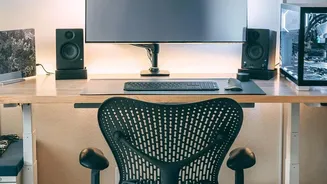
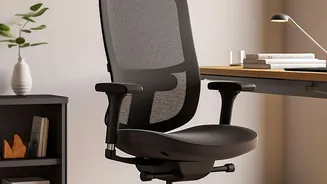
You don't need expensive equipment to practice dynamic posture, though some tools can help. An adjustable chair is a great start, as it allows you to change your seat height and backrest angle. If you don't have one, a simple cushion or rolled-up towel can provide lumbar support. Consider a footrest if your feet don't comfortably reach the floor. If you have the option, a sit-stand desk is fantastic for encouraging position changes. Even without one, you can create a makeshift standing desk by placing your laptop on a stack of books for short periods. The goal is simply to alternate between sitting and standing. Active sitting chairs or stools, which have an unstable base, can also encourage micro-movements to engage your core, but simply being conscious of moving is the most important step.