





The Post-Monsoon Dehydration Trap
As the monsoon recedes, the combination of lingering moisture in the atmosphere and rising temperatures creates a highly humid environment. This is different from the dry heat of summer. When humidity is high, the sweat on your skin cannot evaporate efficiently.
Evaporation is the body's primary cooling mechanism, so to compensate, your body sweats even more in an attempt to regulate its temperature. This leads to a greater-than-usual loss of fluids and essential minerals, often without you realising how dehydrated you are becoming. Unlike in dry heat where you feel thirsty more often, the damp air can sometimes mask the body's initial thirst signals, creating a dangerous gap between fluid loss and intake.
Beyond Thirst: Subtle Signs of Dehydration
Thirst is a lagging indicator of your body's needs; by the time you feel thirsty, you are already mildly dehydrated. Recognising the earlier warning signs is key to preventing more serious issues. These signs include unexplained fatigue, a nagging headache, difficulty concentrating, or feeling irritable. Another simple and reliable check is the colour of your urine. If it is a pale, straw-like yellow, you are likely well-hydrated. If it becomes dark yellow or amber, it's a clear signal from your body that you need to increase your fluid intake immediately. Dizziness or feeling lightheaded upon standing can also indicate a drop in blood volume due to fluid loss.
It's Not Just Water: The Importance of Electrolytes
When you sweat profusely, you don't just lose water; you also lose vital minerals called electrolytes, such as sodium, potassium, and magnesium. These minerals are crucial for nerve function, muscle contractions, and maintaining your body's fluid balance. Replenishing with only plain water after significant sweat loss can dilute the remaining electrolytes in your body, which can be ineffective and sometimes even counterproductive. To properly rehydrate, it's important to also replenish these lost minerals. Natural, everyday options are often best. Coconut water is an excellent source of potassium. A simple glass of nimbu pani with a pinch of salt and sugar, or a bowl of buttermilk (chaas), can effectively restore both fluids and electrolytes.
Your Daily Hydration Blueprint
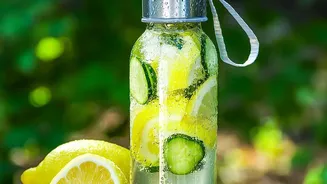
Effective hydration is about consistency, not just chugging water when you feel parched. A general guideline for adults in India's climate is around 2.5 to 3 litres of fluid per day, but this needs to increase with heat and activity. Create a proactive plan. Start your day with a glass or two of water to rehydrate after sleeping. Carry a reusable water bottle with you as a visual reminder to sip throughout the day. Set alarms on your phone if you tend to forget. Incorporate water-rich foods into your diet, such as cucumber, watermelon, oranges, and leafy greens. And don't forget to drink before, during, and after any physical activity. The goal is to drink steadily throughout the day rather than large amounts all at once.