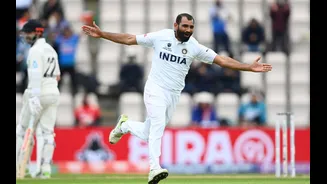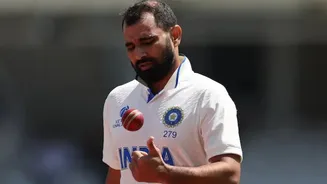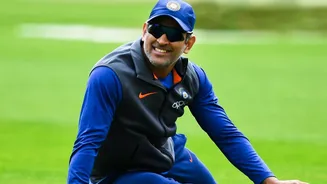





The final ball is bowled, the stumps are drawn, but for India's elite cricketers, the work is far from over. Recovery is not just rest; it's a meticulously planned science designed to repair, refuel, and reset the body for the next battle.
The Race Against Inflammation
The first port
of call for many players post-match is the infamous ice bath. While it may look punishing, cold water immersion is a crucial first step in combating the inflammation and micro-tears muscles endure during hours of play. The cold, typically between 10-15 degrees Celsius, constricts blood vessels, which helps to reduce swelling and muscle soreness. Once out of the bath, the vessels dilate, creating a 'flushing' effect that helps clear metabolic waste from the muscles. This process, known as cryotherapy, is one of the quickest ways to soothe pain and kickstart the recovery process, especially for fast bowlers whose bodies are under immense strain. Some teams also employ contrast therapy, alternating between hot and cold baths, to further boost circulation and reduce soreness.
Refuelling the Engine
An intense day on the field can deplete a player's energy stores significantly. The first two hours after a match are a critical window for nutritional recovery. The focus is twofold: replenishing glycogen (the body's primary fuel source) with carbohydrates and repairing damaged muscle tissue with protein. A post-match meal is carefully planned, often containing lean proteins like chicken or paneer, and complex carbohydrates like rice or pasta. According to reports, even traditional Indian meals like dal and rice serve this purpose well. Hydration is equally vital. Players can lose several litres of sweat during a match in hot conditions, and replacing this fluid is non-negotiable. This involves drinking 1.5 litres of water for every kilogram of body weight lost, often supplemented with electrolytes to help the body retain the fluid.
The Technology of Repair
Modern cricket has fully embraced sports science, and the Indian team's recovery toolkit is packed with technology. Compression garments, such as special tights and sleeves, are commonly used after matches. These garments apply gentle pressure to the limbs, which can help reduce muscle swelling, decrease soreness, and improve blood circulation to speed up the removal of waste products. Alongside this, players have access to physiotherapy tools like massage guns and foam rollers. These are used for myofascial release, a technique that helps relieve tightness and restrictions in the muscles, improving flexibility and promoting blood flow.
Sleep: The Ultimate Recovery Tool
Perhaps the most critical, yet often overlooked, component of recovery is sleep. It's during deep sleep that the body does its most important repair work, releasing growth hormones that are essential for muscle and tissue regeneration. An elite athlete requires a minimum of 8-9 hours of quality sleep to allow their body and mind to fully recover. In a gruelling tournament schedule, managing sleep becomes paramount. Lack of adequate sleep not only slows physical recovery but also impairs cognitive function, reaction time, and decisionmaking on the field. Support staff and players work to create optimal sleep environments, even while travelling across different time zones, recognising that quality rest is a nonnegotiable performance enhancer.
Managing the Unseen Strain
Cricket is as mentally taxing as it is physical. The constant pressure, intense concentration, and emotional highs and lows of a match take a significant toll. Therefore, mental recovery is a key part of the postmatch routine. This can involve structured team debriefs, sessions with sports psychologists, or simply individual relaxation techniques. Players are encouraged to 'switch off' from the game, spending time with family or engaging in hobbies to decompress. With the relentless nature of modern schedules, the BCCI and team management increasingly focus on workload management, scheduling breaks to prevent burnout and ensure players remain mentally fresh. Ultimately, a player's ability to perform at their peak depends on recovering both mind and body.