





As the temperature drops, we unconsciously change our daily routines to stay warm and comfortable. What you may not realise is that these small, seasonal shifts often lead to a significant, albeit accidental, reduction in your household water usage.
The Great Outdoor Watering Pause
The
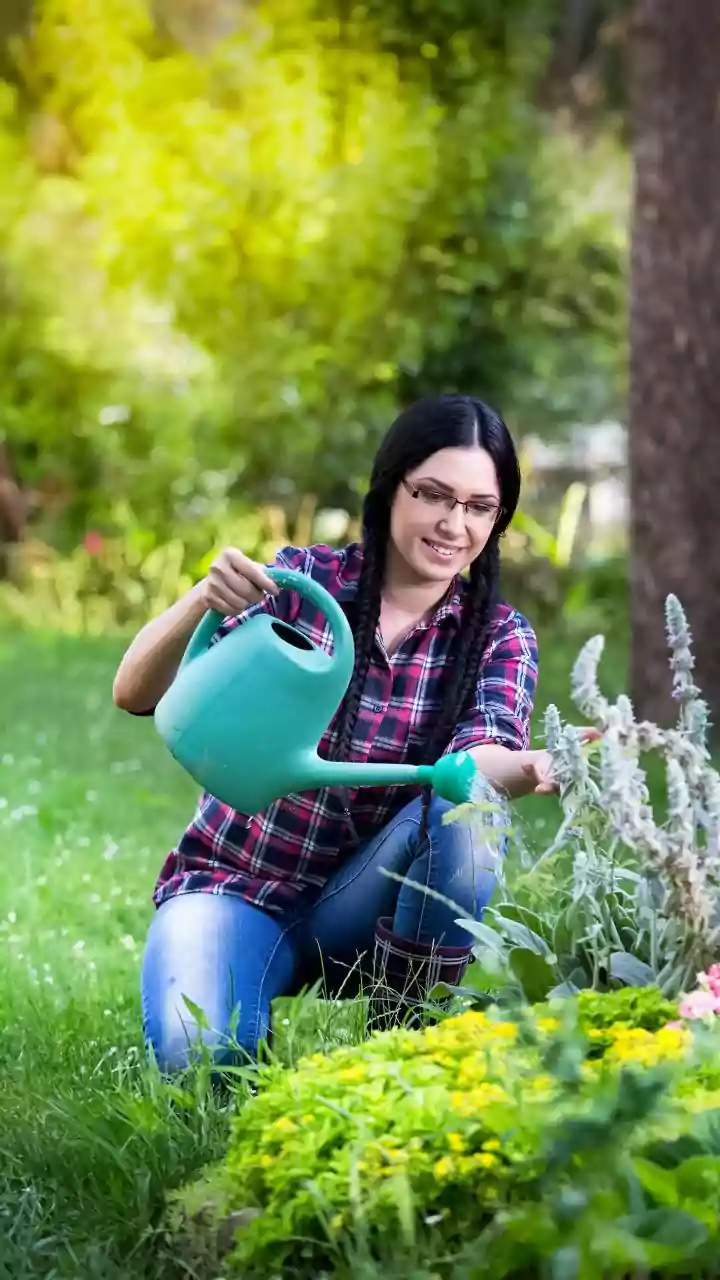
most significant and obvious change happens outside your home. In summer, keeping a garden, lawn, or even a small balcony of potted plants alive requires constant watering. In fact, outdoor irrigation can be one of the largest contributors to a household's water bill during warmer months. Come winter, most plants enter a dormant phase, and the cooler, less evaporative weather means they require far less hydration. With rainfall being more common in certain regions during the winter, nature often takes care of the watering for you. By simply stopping or drastically reducing the need to water plants, you are saving hundreds, if not thousands, of litres of water each month without a second thought.
Shorter Showers Become the Norm
While a long, hot shower sounds appealing on a cold morning, the reality is often different. The primary goal is to get warm and clean quickly, not to linger. In summer, a cool shower can be a way to escape the heat, but in winter, the motivation is efficiency. People tend to take shorter, hotter showers to avoid the chill of stepping out into a cold bathroom. Some households in India also switch to using a bucket and mug for bathing, which significantly cuts down on the continuous flow from a showerhead. Even shaving two minutes off a standard shower can save a surprising amount of water over a week, making this unconscious habit a major water-saver.
The Laundry Pile-Up (In a Good Way)
Winter fashion has a direct impact on your laundry habits. Summer’s light cottons are replaced by bulky sweaters, jackets, and shawls. These heavier garments don't need to be washed after every single wear. Unlike a t-shirt worn on a hot day, a woollen sweater can often be aired out and worn multiple times before it needs cleaning. This naturally leads to fewer laundry loads per week. Considering that a single washing machine cycle can use a substantial amount of water, this reduction adds up significantly over the season. You’re not being lazy; you’re being an accidental environmentalist.
A Shift in What We Drink
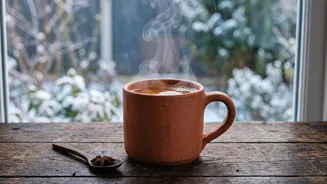
During hot weather, our bodies constantly signal thirst, and we reach for glasses of cold water throughout the day. In winter, however, our thirst response can diminish by up to 40%. We simply don't feel as thirsty. Instead of consuming large quantities of plain water, we gravitate towards warm beverages like tea, coffee, and soups. While these drinks are still hydrating, we tend to sip them more slowly and consume them in smaller volumes compared to the glasses of water we might down in the summer. This behavioural shift means less water is drawn from the tap for direct consumption.
Comfort Food Saves Water
Winter menus often feature hearty, 'one-pot' meals like stews, dals, and thick curries. These dishes are not only warming but also efficient in their water usage. Instead of boiling multiple pots of vegetables or pasta, which requires a significant amount of water that often gets drained away, a one-pot meal cooks everything together. The water used becomes part of the dish itself, as broth or gravy. This style of cooking is in contrast to many summer meals that might involve boiling and blanching separate ingredients. By gravitating towards these comforting winter staples, you're also unconsciously adopting a more water-wise cooking method.
Fewer Car Washes and Outdoor Chores
The motivation to spend a Sunday morning washing the car or hosing down a dusty patio plummets when it's cold outside. These fairweather chores, which consume a large amount of water, are naturally postponed or done far less frequently during the winter months. The occasional winter rain might even do a preliminary rinse for you. This 'procrastination' is actually a form of water conservation, saving countless litres that would otherwise be used for outdoor cleaning. It's another example of how aligning our activities with the season leads to positive environmental impacts without us even trying.