









The Modern Kitchen Garden
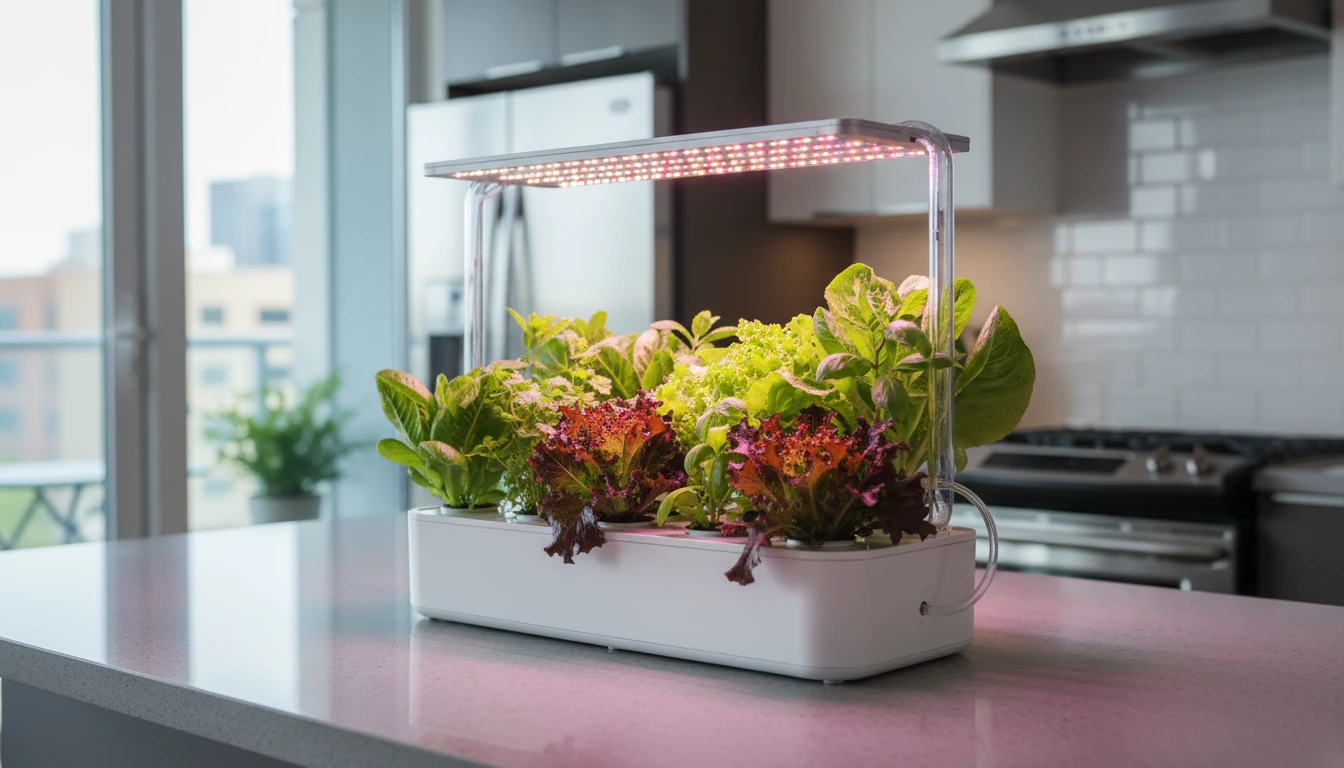
Forget sprawling vegetable patches and soil under your fingernails. The new face of urban farming is sleek, compact, and often controlled by a smartphone app. Automated hydroponic units, which grow plants in nutrient-rich water without any soil, are becoming
a sought-after addition to urban homes. These systems, ranging from small countertop setups for herbs to larger vertical towers for leafy greens, are designed for city living where space is a premium. For a generation of young professionals living in apartments in cities like Bengaluru, Mumbai, and Delhi, this is the ultimate convenience: a farm-to-table experience with a commute of just a few steps.
A Hunger for Health and Purity
A significant driver behind this trend is a growing demand for safe, healthy food. Concerns about pesticide use in commercially grown vegetables are rising, pushing consumers to seek trustworthy alternatives. Hydroponics offers a compelling solution. Because the plants are grown in a controlled indoor environment, the need for chemical pesticides is virtually eliminated. This gives people complete oversight of what goes into their food, from 'seed' to plate. The ability to harvest produce moments before cooking also ensures maximum freshness and nutrient retention, a key factor for the health-conscious urbanite.
Sustainability in a Smart Box
Beyond personal health, an appeal to environmental consciousness is powering this movement. Traditional agriculture is resource-intensive, but hydroponics presents a more sustainable model. These systems use up to 90% less water than soil-based farming because the water is recirculated instead of being lost to runoff. By growing food exactly where it will be eaten, hydroponics also slashes food miles, reducing the carbon footprint associated with transporting produce over long distances. For young urbanites who are keenly aware of climate change and environmental degradation, this is a tangible way to contribute to a greener lifestyle.
The Allure of a Tech-Driven Hobby
For a generation fluent in technology, the 'automated' aspect of these systems is a major draw. These are not just planters; they are sophisticated gadgets. Smart hydroponic units come equipped with sensors that monitor water levels, nutrient concentration, and light exposure, with many functions managed through a mobile app. The system can automatically turn lights on and off and regulate the flow of nutrients, making it a low-effort, high-reward endeavour. This fusion of nature and technology transforms gardening from a chore into a fascinating, tech-driven hobby that aligns perfectly with a smart-home ethos.
Weighing the Investment
While the benefits are clear, these units represent a significant initial investment. The price for hydroponic towers in India can range from a few thousand rupees for basic kits to over ₹20,000 for advanced, automated smart towers. The decision to buy one is often a calculated one. Buyers weigh the upfront cost against the long-term savings on purchasing expensive organic greens, the convenience of having fresh herbs on demand, and the peace of mind that comes with eating clean food. As technology becomes more accessible and prices fall, what was once a niche hobby is increasingly becoming a practical lifestyle choice for many.