



The Modern Appeal of Colour-Blocking
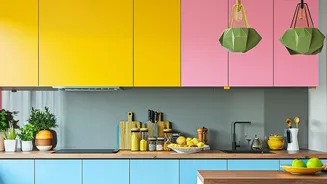
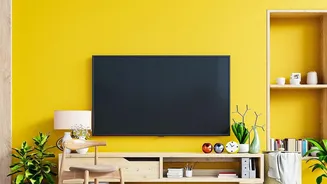
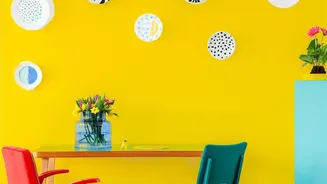
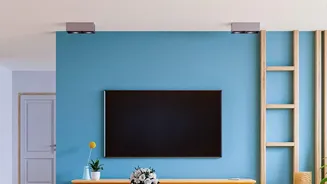
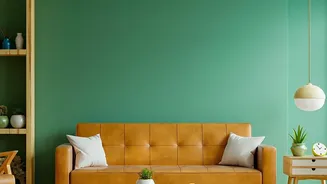
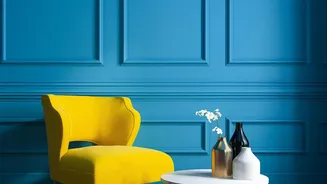
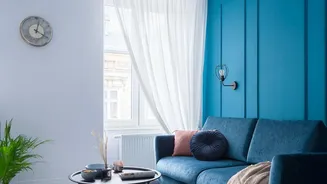
Colour-blocking is an interior design technique that uses two or more solid blocks of colour to create a striking visual statement. Originating in fashion, this trend has moved into our homes, transforming walls into dynamic works of art. Instead of a single,
uniform colour, you can define spaces, create focal points, or add architectural interest using geometric shapes, contrasting stripes, or bold, abstract forms. The goal is to be intentional and impactful, using colour to inject personality and energy into a room, whether through high-contrast pairings or subtle, tonal variations.
The Case for Custom Wood Panelling
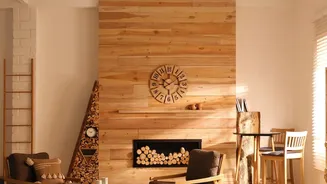
Custom wood panelling has long been a go-to for adding a touch of luxury and texture to interiors. It brings a three-dimensional quality and a sense of permanence that paint or wallpaper alone cannot replicate. Options range from classic board-and-batten to intricate CNC-routed designs and modern fluted or slatted panels. This approach is undeniably beautiful, adding warmth, character, and sound-absorbing qualities to a room. However, this premium look comes with a significant price tag and considerable commitment. It requires skilled carpentry for installation, making it a time-consuming and disruptive process that isn't easily undone if your tastes change.
Wallpaper: The Savvy and Stylish Alternative
This is where colour-blocking with wallpaper shines. It offers the same visual impact as panelling but with far greater flexibility and affordability. The variety of wallpaper is nearly endless, from solid colours in countless hues to pre-designed geometric patterns that achieve a colour-blocked look right out of the roll. You can mix and match different wallpapers or combine a bold pattern with a painted wall for a custom effect. Modern wallpapers, especially vinyl-coated or non-woven types, are durable, often washable, and much easier to update than permanent woodwork. For renters or those who like to frequently refresh their decor, peel-and-stick options offer a commitment-free way to experiment with the trend.
A Head-to-Head Cost Comparison in India
The financial difference between the two options is significant. In India, the cost of custom wood panelling, including materials and professional installation, can range anywhere from ₹300 to over ₹2,000 per square foot, depending on the wood, finish, and design complexity. For a single feature wall, this can quickly add up to tens of thousands of rupees. In contrast, wallpaper is far more budget-friendly. The material cost for good quality wallpaper in India typically falls between ₹50 and ₹200 per square foot. Professional installation adds approximately ₹15 to ₹30 per square foot. Even for premium designer wallpapers, the total installed cost is substantially lower than that of custom woodwork, making it a much more accessible choice for a high-impact upgrade.
Beyond Savings: The Freedom to Create
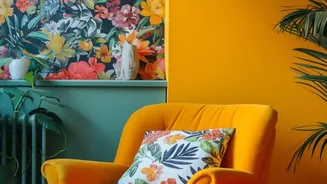
While the economic argument is compelling, the creative advantages of wallpaper are just as important. Wood panelling, by its nature, is structurally rigid. Wallpaper, on the other hand, allows for limitless creativity. You can create curves, arches, and intricate geometric murals that would be prohibitively expensive or structurally impossible with wood. It provides the opportunity to play with not just colour, but also pattern and texture in a way that wood cannot. A floral print can be blocked against a solid colour, or a textured wallpaper can mimic materials like concrete or linen, adding another layer of depth. The transformation is also much faster—a professional can often complete a wallpapered feature wall in a single day.
Tips for a Flawless Finish
To get the best results with colour-blocked wallpaper, start with a plan. Sketch your design first to decide on proportions and placement. Ensure your wall is properly prepared—it should be clean, smooth, and primed for the best adhesion. While peel-and-stick papers are great for DIY projects, for traditional paste-the-wall types, hiring a professional installer is a worthwhile investment to ensure seamless pattern matching and clean edges. When choosing materials, consider the room's function. For high-humidity areas like kitchens or bathrooms, or in homes in coastal cities, opt for durable and moisture-resistant vinyl-coated wallpapers. For living rooms and bedrooms, non-woven wallpapers are a great choice as they are breathable and easy to remove.