


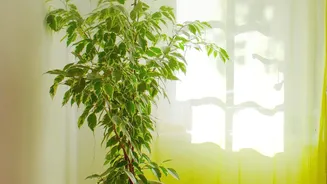
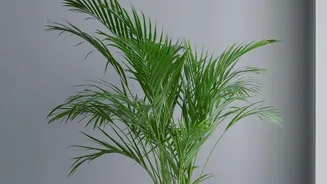
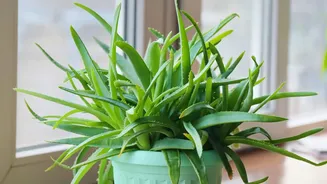
Start with an 'Impossible-to-Kill' Plant
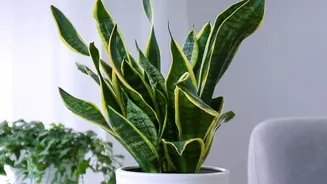
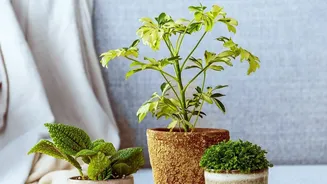
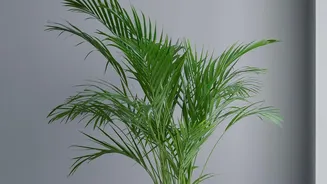
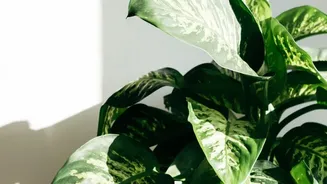
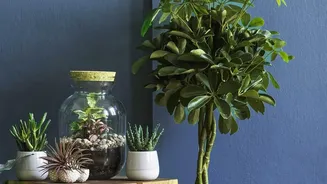
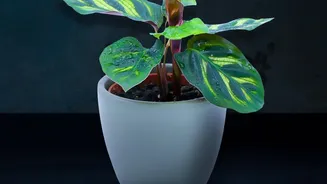
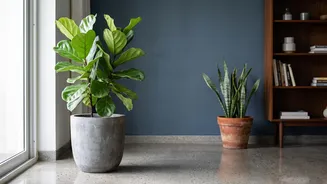
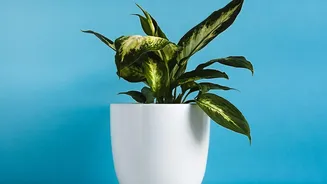
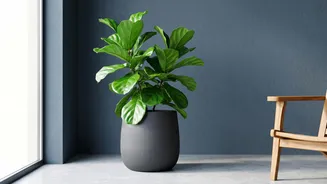
The single most important decision you'll make is your choice of plant. The reason so many beginners fail is that they choose a plant that requires expert care. Instead, start with something famously forgiving. Plants like the Snake Plant, ZZ Plant, and
Money Plant (Pothos) are incredibly resilient. They are practically designed for a fresher's lifestyle—they tolerate low light, survive infrequent watering, and don't demand constant attention. The ZZ Plant, for instance, has underground rhizomes that store water, meaning it can go for weeks without a drink. By choosing a hardy starter plant, you're setting yourself up for success and building confidence from day one.
Understand the Golden Rule of Watering
The most common way people kill their indoor plants is not by neglect, but by excessive kindness—specifically, overwatering. Plant roots need oxygen just as much as they need water, and constantly soggy soil leads to root rot, which is a plant death sentence. So, what's the simple rule? Always check the soil first. Stick your finger about an inch into the soil. If it feels dry, it's time to water. If it feels even slightly damp, wait a few more days. When you do water, do it thoroughly until water runs out of the drainage hole at the bottom of the pot, and then let it dry out again. This 'soak and dry' method mimics natural rainfall and is far healthier than giving it a tiny splash every day.
Find the Right Spot for Sunlight
While you might think every plant needs a sunny windowsill, most popular indoor plants actually prefer bright, indirect light. Direct, harsh afternoon sun, especially in hot Indian cities, can scorch their leaves. Think of the light in a bright room but not in the direct path of a sunbeam. An east-facing window that gets gentle morning sun is often perfect. If your room is quite dim, don't despair. Many of the beginner-friendly plants like the Snake Plant and ZZ Plant can adapt to low-light conditions, though their growth might be slower. The key is to observe: if a plant's leaves are getting scorched and brown, it's getting too much sun. If it's stretching and pale, it's begging for more light.
Give Your Plant a Good Home
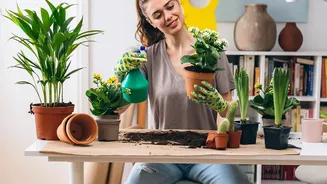
Where your plant lives matters. Two things are non-negotiable: a pot with drainage holes and the right soil. Drainage holes are essential to prevent water from pooling at the bottom and causing root rot. No matter how beautiful a pot is, if it doesn't have a hole, it's a risk. You can always place a plastic pot with holes inside a more decorative outer pot. Secondly, don't use soil from an outdoor garden, which is often too heavy and can contain pests. Use a lightweight, well-draining potting mix specifically made for indoor plants. This mix is designed to hold the right amount of moisture while allowing roots to breathe, giving your plant a strong foundation to thrive.
Resist the Urge to Over-Care
Once you have a plant, it’s tempting to fuss over it. You might want to water it, move it, and prune it constantly. This is often counterproductive. Plants are living things that need time to adjust to their environment. Constantly moving a plant from one spot to another can cause stress. Over-fertilising can burn its roots. The 'impossible-to-kill' plants recommended for beginners thrive on a bit of neglect. The simple reason this works is that these plants are adapted to survive tough conditions. They are better off being slightly underwatered than overwatered, and they grow perfectly well without constant intervention. Your job is to provide a stable environment and then let the plant do its thing. Check on it once a week, and you’ll both be happier.
The Hidden Benefits for a Fresher's Life
Beyond just looking good, having a small plant on your desk has proven benefits that are perfect for a student or new employee. Studies have shown that the presence of plants can reduce stress and anxiety, which is a huge plus during exam season or a hectic work week. They can also improve concentration and productivity by as much as 15%. Plants naturally purify the air by absorbing toxins and releasing oxygen, creating a healthier micro-environment in a stuffy room. For a fresher navigating a new and often stressful chapter of life, a simple, low-effort plant is more than just decor; it's a silent, green companion that boosts well-being.