



Myth: Jaggery Is a 'Healthy' Sugar
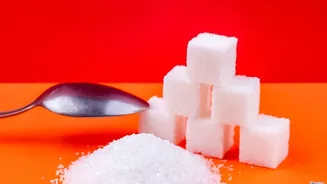
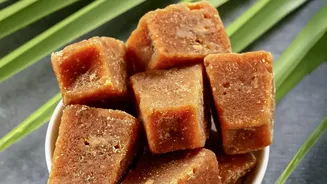
This is the most common belief, but it’s a half-truth. Jaggery is often called a 'superfood' because it is unrefined. Unlike white sugar, which is stripped of everything but pure sucrose, jaggery retains molasses. This means it contains trace amounts
of minerals like iron, potassium, and magnesium. However, the quantities are small. To get a significant mineral boost, you'd have to eat a large amount of jaggery, which would mean consuming excessive calories and sugar. Calorie-wise, there is almost no difference: 100 grams of jaggery has about 383 calories, while the same amount of white sugar has 387. The bottom line is that while jaggery is marginally more nutritious, it is still a form of sugar and should be used sparingly.
Myth: Jaggery Is Safe for Diabetics
This is a dangerous myth. Many believe that because jaggery is 'natural', it doesn’t affect blood sugar levels as much as white sugar. The opposite may be true. The Glycemic Index (GI) measures how quickly a food raises blood sugar. Surprisingly, multiple sources indicate that sugarcane jaggery has a high GI, often cited as 84, while white sugar’s GI is lower, around 65. This means jaggery can cause a faster and higher spike in blood glucose levels. For anyone managing diabetes, pre-diabetes, or insulin resistance, jaggery should be treated exactly like sugar—something to be consumed in very limited quantities, if at all. Neither is a 'safe' sweetener for diabetics.
Myth: Jaggery Keeps the Body Warm in Winter
There's a reason gur is a winter staple in foods like 'til-gud laddoo' and 'gond laddoo'. The belief is that it generates body heat. Scientifically, any food that provides energy (calories) can have a thermogenic effect, creating a feeling of warmth as it's metabolised. Jaggery, being a dense source of calories, provides a quick burst of energy that can make you feel warmer. However, this isn't a unique property of jaggery; white sugar would have a similar effect. The tradition likely comes from jaggery being a readily available, energy-dense food source during the colder months, perfect for traditional winter sweets that provide sustained energy.
Myth: Jaggery Aids Digestion and Cleanses the Body
Eating a small piece of jaggery after a meal is a long-standing tradition in many Indian households, believed to aid digestion. Some sources suggest it can stimulate digestive enzymes. Ayurvedic traditions also hold that jaggery has cleansing properties, helping to clear the respiratory tract. While these traditional beliefs are strong, scientific evidence to robustly support these specific claims is limited. The most significant difference between the two sweeteners lies in their processing. Jaggery is simply boiled and solidified sugarcane juice, keeping its natural molasses content. White sugar undergoes extensive refining, bleaching, and crystallisation, which removes all minerals and compounds, leaving behind pure sucrose crystals.
The Verdict: A Matter of Moderation
So, should you throw out your white sugar and replace it all with jaggery? Not so fast. Jaggery has a slight edge due to the trace minerals it contains and its less processed nature. The presence of iron, in particular, is its strongest advantage over white sugar. However, this advantage is only meaningful if you're replacing sugar, not adding jaggery on top of your existing diet. For blood sugar control, the difference is negligible, and jaggery might even be worse due to its higher GI. The flavour is another factor; jaggery has a rich, caramel-like taste that enhances many Indian sweets and dishes in a way white sugar cannot. The best approach is to view jaggery not as a health food, but as a slightly better sweetener. The golden rule for both remains the same: moderation is key.