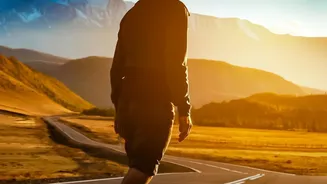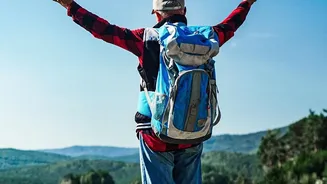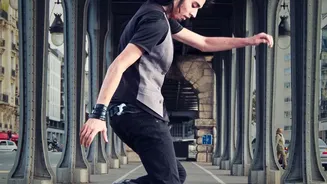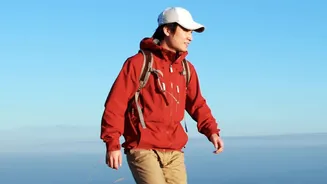




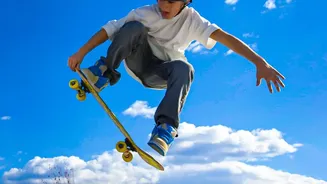

At first glance, hiking and skateboarding seem worlds apart. One sends you into nature's embrace, the other onto concrete landscapes. Yet, both are powerful forms of movement and expression. So how do they really stack up against each other?
The Terrain: Nature's Trail vs. The Urban Jungle
The most obvious
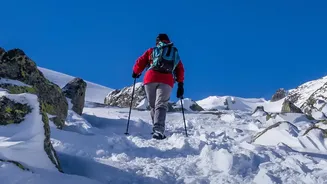
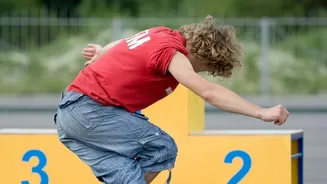
difference lies in the playground each sport chooses. Hiking is an exploration of the natural world. It’s about navigating uneven trails, changing elevations, and adapting to dirt, rock, and roots underfoot. The challenge comes from the unpredictability of the terrain and the endurance required to cover distance. Skateboarding, in contrast, thrives in the built environment. It transforms stairs, ledges, rails, and skateparks into a canvas for creativity. While a hiker seeks a scenic summit, a skateboarder might search for an untouched urban spot to master. The environment dictates the experience: serene, gradual challenges in hiking versus fast-paced, creative problem-solving in skateboarding.
The Physicality: Steady Endurance vs. Explosive Power
Physically, the two activities train your body in very different ways. Hiking is a classic aerobic exercise. It’s about sustained, rhythmic movement over a long period, which builds cardiovascular health, strengthens bones, and improves stamina. Skateboarding is largely anaerobic, characterized by short bursts of intense effort. Think of the explosive power needed to ollie, the core strength for balance, and the agility for quick turns. While a long hike builds your engine for endurance, a skate session hones your reflexes, coordination, and full-body control for powerful, precise movements. Depending on intensity, skateboarding can burn between 300 to 600 calories an hour.
The Mindset: Meditative Journey vs. Creative Puzzle
The mental state required for each activity is also distinct. Hiking often fosters a meditative mindset. The steady rhythm of walking and immersion in nature can reduce stress, calm anxiety, and decrease rumination—the tendency to get stuck on negative thoughts. It’s a journey of quiet observation and perseverance. Skateboarding is more like solving a kinetic puzzle. It demands immense focus and quick decision-making to land a trick or navigate an obstacle. There is an intense cycle of trial, failure, and eventual success that builds resilience and confidence. Both activities clear your head, but one does it through serene immersion and the other through focused, creative problem-solving.
The Culture: Solitude vs. Street Community
The social aspect of hiking can be flexible; it can be a solitary experience for reflection or a bonding activity with a small group of friends. The focus is often on the shared journey and the destination. Skateboarding, however, has deep countercultural roots and is often a highly social and communitydriven activity. Skaters often gather at specific spots, sharing tips, filming each other, and fostering a collective identity with its own language, fashion, and music influences. While not all skateboarders embrace the 'lifestyle' aspect, the culture is a significant part of its identity, representing a form of urban expression.
Navigating the Risks and Injuries
No physical activity is without risk, but the common injuries differ significantly. For hikers, the typical ailments are often related to repetitive strain or terrain mishaps. These include blisters from illfitting boots, ankle sprains from an awkward step on a rock, and general muscle soreness. Skateboarding injuries are almost always the result of falls. Scrapes, bruises, and sprains are common, but more serious injuries like fractures of the wrist, ankle, or arm, and concussions from hitting your head are a significant risk. Proper protective gear is considered essential in skateboarding to mitigate these risks.