






The Old Way: A Trip Down Memory Lane
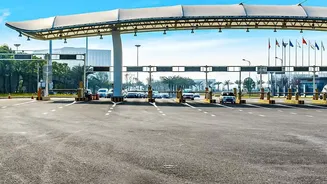
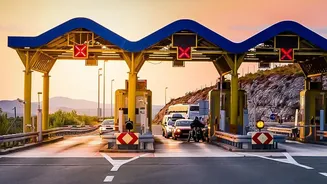
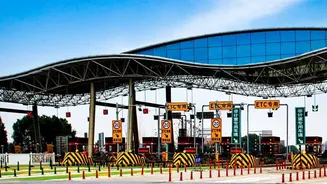
For years, any drive down National Highway 48 was a test of patience. You’d cruise along smoothly only to be brought to a grinding halt at the toll plazas of Shahjahanpur, Manoharpura, and Daulatpura. The ritual was familiar: endless lines of trucks,
cars jostling for the fastest lane, and the frantic search for cash or the anxious wait for a FASTag to scan correctly. These stops were not just minor inconveniences; they added significant time to the journey, burned extra fuel, and injected a dose of stress into an otherwise enjoyable trip. Planning your breaks was often dictated by the need to recover from the toll plaza ordeal. That era of stop-and-go travel, however, is now officially a relic of the past.
How the New System Works
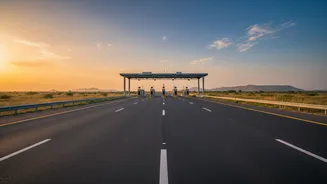
As of early August 2026, the entire Manesar-to-Jaipur corridor is completely barrier-free, thanks to the implementation of the Multi-Lane Free Flow (MLFF) tolling system. Instead of physical booths and boom barriers, massive steel gantries are installed over the highway. These gantries are equipped with advanced technology, including Automatic Number Plate Recognition (ANPR) cameras and high-speed Radio Frequency Identification (RFID) readers. As your vehicle passes underneath at normal highway speeds—up to 100 km/h—the system automatically reads your FASTag and vehicle number plate to deduct the toll. The entire process is instantaneous, meaning you no longer need to slow down, let alone stop. It's a fundamental shift from paying a fixed fee at a booth to a seamless, automated deduction as you drive.
Your New Pre-Trip Checklist
With this new technology, your road-trip preparation needs a modern update. Here’s what to focus on before you hit the road: 1. Check Your FASTag Balance: This is now more critical than ever. Since there are no barriers, you might not realise your balance is low until it's too late. Ensure your FASTag wallet has sufficient funds to cover the entire journey. 2. Verify Your FASTag is Active and Functional: A damaged or invalid FASTag won't be read correctly. Before you leave, make sure your tag is properly affixed to the windshield and is in good working condition. 3. Keep Your Number Plate Clean: The ANPR camera system serves as a backup and identifier. A clean, legible number plate is essential for the system to work flawlessly and avoid any potential mismatches or errors. 4. Know the Penalty Protocol: If the toll is not paid due to an insufficient balance or a non-functional FASTag, you will be issued an electronic notice. You typically have 72 hours to pay the due amount; failure to do so can result in a penalty, often double the original toll fee.
What This Means for Your Journey
The most immediate benefit is a significant reduction in travel time. By eliminating the cumulative delays at multiple toll plazas, your journey becomes faster and more predictable. This also translates to better fuel efficiency, as you avoid the wasteful cycle of braking, idling, and accelerating in toll queues. Beyond the practical advantages, the change transforms the very rhythm of the drive. The journey feels more fluid and less stressful. You can plan your stops around scenic viewpoints or your favourite dhabas, not around recovering from the chaos of a toll booth. It turns a transit into a true travel experience, allowing you to enjoy the drive without the constant interruption and frustration that once defined it.
Potential Bumps in the Road
While the MLFF system is a major leap forward, new technology can come with its own set of challenges. Be prepared for the possibility of technical glitches, such as incorrect toll deductions or the system failing to read your FASTag. In such cases, it is crucial to know how to respond. Keep a record of the e-notices you receive via SMS. If you believe you've been charged incorrectly, you will need to follow the dispute resolution process provided by the National Highways Authority of India (NHAI) or your FASTag issuer. The key is to be proactive; regularly check your FASTag account statements after a trip to ensure all deductions are accurate. As the system matures, these issues are likely to become less common, but early adopters should remain vigilant.