



The Soul of the Soil
Terracotta, or 'baked earth', is a craft as ancient as the Indus Valley Civilization itself. In Rajasthan, this tradition is deeply embedded in villages like Molela and Alwar, where the Kumhar potter communities have honed their skills for generations.
They work with a profound understanding of their primary material: the local clay. Sourced from the banks of rivers like the Banas, this clay is the lifeblood of their craft. The process is a form of ancestral engineering, starting with the careful selection and preparation of the earth. This isn't just about digging up dirt; it’s about knowing the precise composition needed for strength, texture, and durability.
Ancestral Engineering in Practice
The term 'engineering' might evoke images of machinery, but here it refers to an intricate, hands-on science passed down through generations. To enhance the clay's strength and prevent cracking during firing, artisans mix in organic materials like donkey dung. This time-tested technique improves the clay's flexibility and structural integrity. In Alwar, artisans are famous for 'Kagzi' or paper-thin pottery, a marvel of material science that results in lightweight yet robust vessels. The firing process is another critical stage. Instead of modern electric kilns, many still use traditional open kilns, where careful temperature control—judged by experience, not a thermostat—imparts the final strength and signature reddish-brown hue to the ware. This slow, even heating is crucial for creating cookware that distributes heat perfectly.
Answering the Modern Kitchen's Call
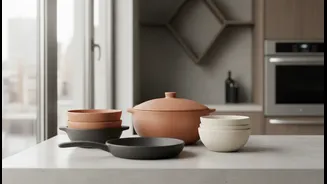
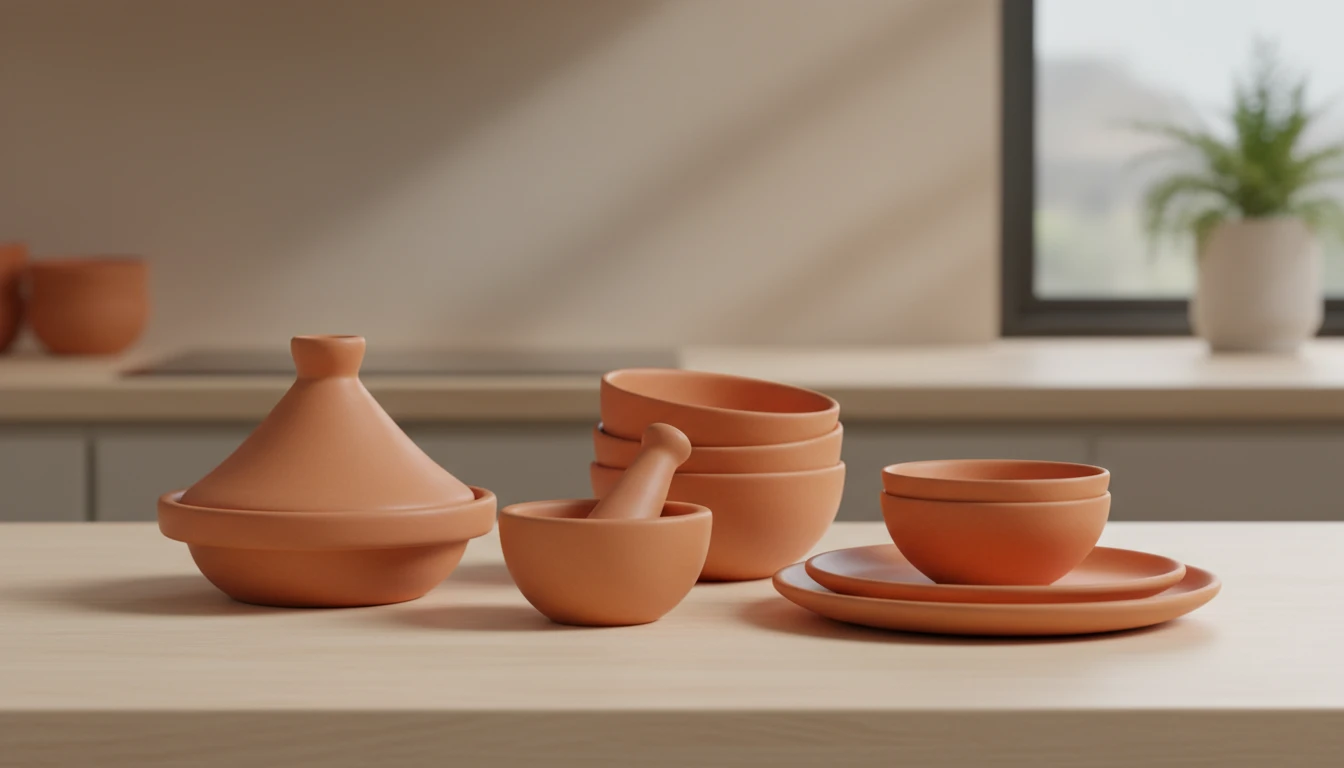
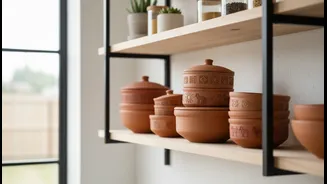
The demands of contemporary urban life are vastly different from the rural settings where this craft originated. Today's kitchens are smaller, storage is at a premium, and convenience is key. This has prompted a shift from purely traditional forms to more functional, compact designs. Consumers are now looking for stackable pots and pans, multi-use bowls, and serveware that moves seamlessly from the kitchen to the dining table. There's also a growing awareness of health and sustainability, which has renewed interest in non-toxic, chemical-free cookware like terracotta. Artisans have recognized this evolving market, understanding that their craft's survival depends on adapting to these new needs.
Innovation Moulded by Hand
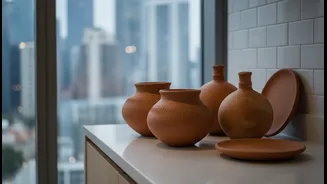
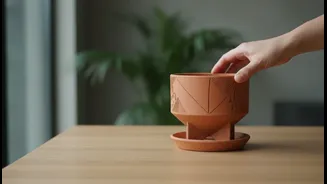
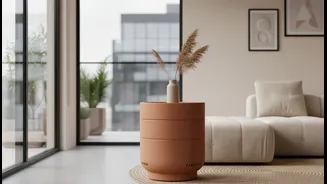
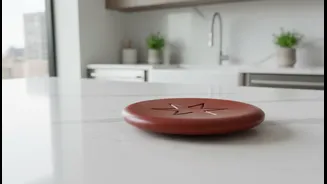
This adaptation is not about abandoning tradition but intelligently blending it with modern aesthetics and functionality. Artisans are now creating terracotta products that cater directly to urban lifestyles. You can find sleek water bottles, compact curd pots, ergonomic pans with better-fitting lids, and even terracotta tawas. While traditionally known for religious plaques, Molela artisans are now creating decorative tiles and secular scenes for home decor to broaden their appeal beyond seasonal religious demand. They are collaborating with designers and urban platforms to understand market trends, creating hybrid pieces that retain their earthy authenticity while fitting into a contemporary home. This fusion results in products that are both beautiful and practical, telling a story of heritage and innovation.
From Village Fairs to Global Carts
The marketplace for these artisans is also undergoing a significant transformation. While local fairs and roadside stalls remain important, the digital world has opened up new horizons. Through online stores and social media, artisans are reaching customers directly across India and the world, educating them about the benefits and beauty of handcrafted terracotta. This direct line to the consumer not only provides a sustainable livelihood but also helps preserve the craft by creating a global appreciation for its cultural significance. By bridging the gap between their rural workshops and urban kitchens, these artisans are ensuring their ancient engineering skills have a firm and valued place in the 21st century.