




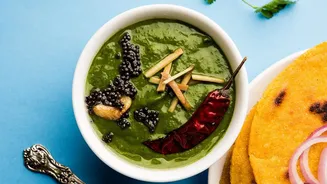


In India, a meal is often considered incomplete without a spoonful of chutney. But this flavourful accompaniment is far more than a simple condiment; it's a centuries-old tradition packed with nutritional wisdom and culinary ingenuity.
More Than Just a Side Dish
Long before they
were celebrated for their taste, chutneys were used in Ayurvedic practices as digestive aids. Originating from the Hindi word 'chatni', meaning 'to lick', these ground pastes were designed to balance meals and support well-being. Traditional recipes were functional, using seasonal ingredients to either cool the body in summer or provide warmth in winter. Unlike many modern processed sauces, which can be high in sugar and preservatives, heritage chutneys are typically low-calorie, fresh, and made with whole ingredients that deliver a host of health benefits.
The Green Powerhouses: Mint and Coriander
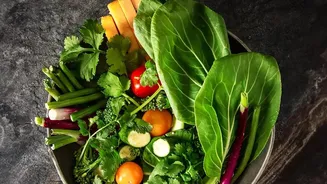
The ubiquitous 'hari chutney' made from mint (pudina) and coriander (dhania) is a prime example of a nutritional powerhouse. Mint is well-regarded for its ability to aid digestion and soothe the stomach, which is why it's often paired with fried foods. Coriander is a rich source of vitamins C and K, and antioxidants. It is known to have anti-inflammatory properties and may help in managing blood sugar levels. Together, these cooling herbs create a refreshing, low-calorie flavour bomb that also helps the body detoxify and absorb nutrients.
The Tangy Protectors: Amla and Tamarind
Sweet and tangy chutneys often feature ingredients like amla (Indian gooseberry) or tamarind. Amla is one of the most potent natural sources of Vitamin C, a powerful antioxidant that boosts the immune system and is essential for skin health. Regular consumption of amla may also aid digestion and help regulate blood sugar levels. Tamarind, the base for the popular 'imli' chutney, is also rich in antioxidants and has been traditionally used to aid digestion. These chutneys not only add a complex sweet-sour flavour but also contribute to protecting cells from damage.
The Pungent Guardians: Garlic and Ginger
Spicy and pungent chutneys, particularly those featuring garlic and ginger, are revered for their medicinal properties. Garlic contains allicin, a compound known for its immune-boosting, antibacterial, and antiviral effects. Incorporating garlic chutney can support heart health and help the body fight off common infections. Ginger is a well-known anti-inflammatory agent that can alleviate nausea and support digestion. A spoonful of ginger or garlic chutney not only adds a fiery kick to a meal but also serves as a protective, warming tonic for the body.
Bringing Tradition to the Modern Table
Integrating these heritage recipes into a modern diet is surprisingly simple. A fresh mint-coriander chutney can replace mayonnaise-based spreads in sandwiches or serve as a healthy dip for vegetables. A tangy tamarind chutney can be a flavourful alternative to sugary ketchup. These fresh condiments are easy to prepare at home, allowing you to control the ingredients and avoid preservatives. By embracing these traditional recipes, you not only add incredible flavour and variety to your daily meals but also tap into a rich culinary heritage that has prioritized health and wellness for generations.