
A Vision of Green Highways
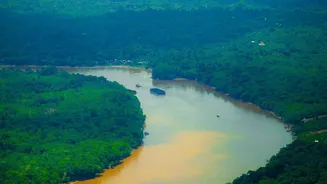
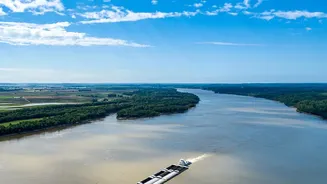
India is in the midst of an ambitious mission to develop its vast network of rivers into bustling transport arteries. Under initiatives like the National Waterways Act and the Jal Marg Vikas Project, the government is expanding its network of navigable
waterways, which now officially number 111 across the country. As of early 2026, 32 of these are operational, with plans to activate more in the coming years. The goal is to shift a significant portion of cargo from congested roads and railways to this cheaper, more environmentally friendly mode of transport. Proponents point to compelling numbers: a single large vessel can replace over a hundred trucks, and water transport can be significantly more fuel-efficient, reducing both logistics costs and carbon emissions. This vision aims to increase the modal share of inland water transport from around 2% to 5% by 2030, a key part of India's long-term economic and environmental strategy.
Beyond 'Port-to-Port'
The core appeal of waterways is their low cost for moving bulk goods. However, a shipment of cement or grain does not begin and end at the riverbank. This is where the concept of 'door-to-door journey time' becomes critical. In logistics, this term refers to the total time taken for a shipment from its point of origin—the factory or warehouse—to its final destination. It’s a holistic measure that includes not just the main transit (the 'on-water' part of the journey) but also the crucial first and last-mile connections. This includes truck travel to the river terminal, waiting times, loading and unloading procedures, and the final delivery from the destination terminal. A slow and inefficient link at any point in this chain can negate the time and cost advantages gained on the water.
The First and Last-Mile Challenge
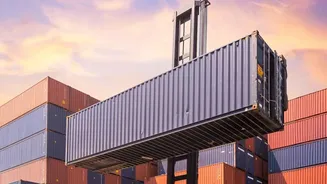
The greatest challenge for India's waterways plan isn't dredging rivers, but bridging the gap between land and water. Limited or poor-quality roads leading to river terminals (jetties), lack of warehousing, and inefficient handling facilities can create significant bottlenecks. If it takes several hours for trucks to navigate local traffic to reach a terminal, or if a vessel has to wait idly for cargo to be loaded, the overall journey becomes slow and unreliable. This is a major hurdle, as logistics managers prize predictability. Road transport, for all its issues with traffic and cost, currently offers a simpler, single-mode, door-to-door service that businesses are accustomed to. For waterways to be a viable alternative, the entire end-to-end process must be competitive, not just one segment of it.
Building a Seamless Multimodal System
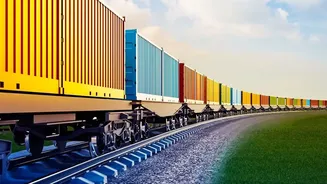
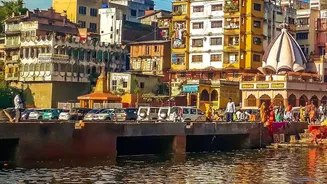
Recognizing this, the government's strategy extends beyond the waterways themselves. The focus is on creating a truly integrated multimodal logistics network. This involves building Multi-Modal Logistics Parks (MMLPs) near key waterways like the one in Varanasi, which serve as hubs to seamlessly connect river, road, and rail transport. The idea is to create an ecosystem where cargo can be transferred efficiently between different modes of transport. Initiatives like the Sagarmala Project also aim to enhance this connectivity. Furthermore, digital platforms are being introduced to streamline processes, such as the PANI portal for navigation planning and CAR-D for cargo tracking, all designed to improve the ease of doing business and reduce delays across the entire logistics chain.
The True Measure of Success
Ultimately, the success of India's grand waterways project will not be measured by the kilometres of river dredged or the number of terminals built. It will be judged by its ability to provide a compelling, reliable, and cost-effective alternative to existing transport modes from a shipper's perspective. For a business owner deciding how to ship their goods, the crucial question isn't 'How cheap is it to use the river?' but 'How quickly and reliably can my shipment get from my factory to my customer's doorstep?' While challenges like attracting private investment and ensuring return cargo availability remain, the focus on building a connected ecosystem is a step in the right direction. The efficiency of the total door-to-door journey will determine whether India's waterways truly become the green highways of commerce they are envisioned to be.