





The Urban Kitchen's Freshness Challenge
The journey from farm to fork in a city is fraught with perils for fresh produce. By the time vegetables and fruits reach your kitchen, they have already been exposed to heat and handling. The challenge intensifies in urban Indian homes, where high humidity
and fluctuating temperatures create a perfect breeding ground for bacteria and mould. Smaller kitchens and refrigerators mean less room for ideal storage, and frequent power cuts in some areas can compromise refrigeration. These factors accelerate the wilting of leafy greens, the softening of tomatoes, and the sprouting of potatoes, leading to significant food and financial waste. The average household often discards food worth thousands of rupees each year due to spoilage.
Master Your Refrigerator for Maximum Freshness
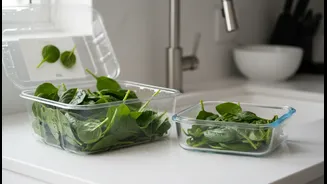
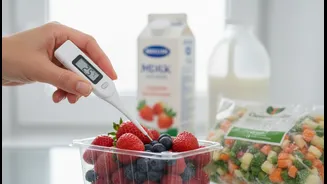
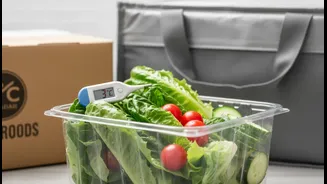
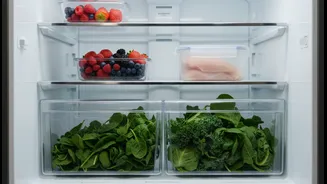
Your refrigerator is your primary tool against spoilage, but only if used correctly. The Food Safety and Standards Authority of India (FSSAI) recommends keeping the temperature below 5°C to slow bacterial growth. A common mistake is washing vegetables before storing them; this excess moisture is a primary cause of rot, especially in a humid climate. Instead, wipe them dry if needed. Leafy greens like spinach and coriander last longer when wrapped in a paper towel or a cloth bag to absorb excess moisture. Store raw meat, poultry, and seafood on the bottom shelf in sealed containers to prevent their juices from dripping onto and contaminating other foods. Organize your fridge using the 'First-In, First-Out' (FIFO) principle to ensure older items are used first.
Smart Storage Beyond the Cold
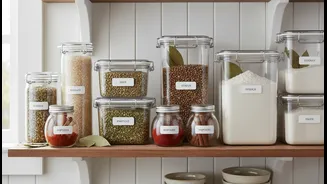
Not all produce belongs in the refrigerator. In fact, cold temperatures can ruin the flavour and texture of some items. Tomatoes, for example, should be kept at room temperature until fully ripe to develop their taste. Onions, potatoes, and garlic need a cool, dark, and well-ventilated spot. It's crucial to store onions and potatoes separately, as the gases released by onions can cause potatoes to sprout faster. Traditional methods, like storing certain vegetables in cloth bags, remain highly effective as they allow air to circulate and prevent moisture buildup. For dry goods like grains, pulses, and spices, airtight containers are essential to protect them from humidity and pests, preserving their flavour and extending their shelf life.
The Small-Pack and Smart Shopping Advantage
A key strategy to combat food waste begins at the point of purchase. The rise of small-pack or single-serve options is a direct response to the needs of smaller urban households. Buying perishables in smaller quantities more frequently ensures you have fresher ingredients and reduces the risk of spoilage. This approach aligns perfectly with the growing trend of quick-commerce grocery apps that allow for frequent, small-batch ordering. While bulk buying can seem economical, it often leads to waste if the items are not consumed before they expire or spoil. Opting for a 500g pack of paneer or a small bunch of spinach that you will use within a day or two is often more cost-effective than buying a larger pack that ends up in the bin. This shift in purchasing habits empowers consumers to minimise waste and enjoy food at its peak freshness.
Essential Tools to Extend Freshness
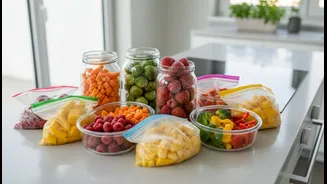
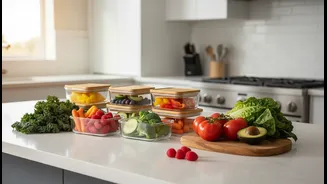
A few simple tools can make a significant difference in your food preservation efforts. Airtight containers made of glass or food-grade steel are a must-have in any Indian kitchen. They create a secure barrier against moisture and air, keeping leftovers, cut vegetables, and dry goods safe. For leafy greens and other vegetables, reusable cloth or mesh bags are superior to plastic as they allow produce to breathe. Wrapping items like paneer in a damp muslin cloth or storing it in water can keep it soft and fresh for several days. While more of an investment, a vacuum sealer can dramatically extend the shelf life of meats, cheeses, and even some vegetables by removing air, which is essential for bacterial growth.