
Embrace New Cooking Methods
The single biggest way to reduce oil is to move away from deep-frying. Many snacks and dish components that are traditionally fried can be made wonderfully crisp using other methods. An air fryer, for instance, can deliver crunchy samosas, aloo tikkis,
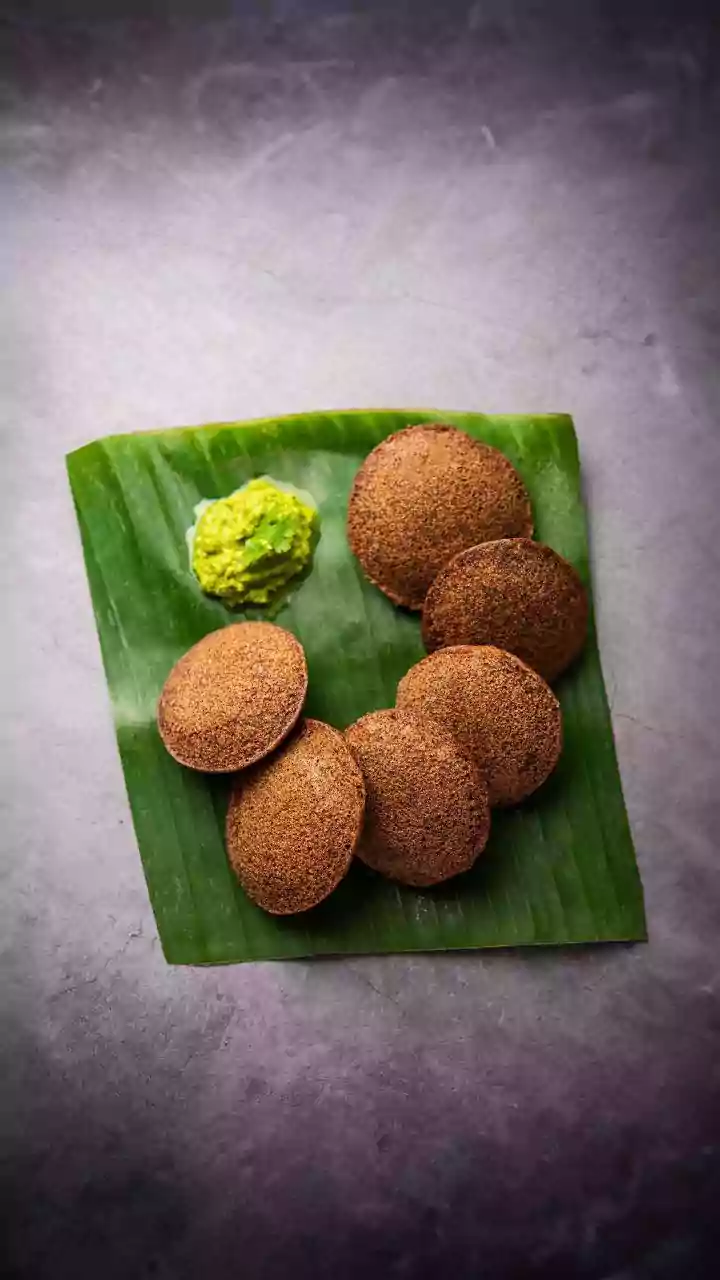
and even kurkuri bhindi with just a light brushing of oil. Baking and roasting are also excellent alternatives. Vegetables like brinjal or bhindi can be roasted in an oven with minimal oil spray before being added to a curry, giving them a rich flavour without the heaviness of frying. Even everyday snacks like masala peanuts can be prepared in an air fryer, providing that satisfying crunch without the guilt. For items like dhokla or idli, steaming is a zero-oil method that is already a cornerstone of Indian cuisine. By embracing these techniques, you can enjoy your favourite textures while drastically cutting down on fat.
Upgrade Your Cookware
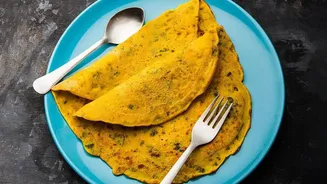
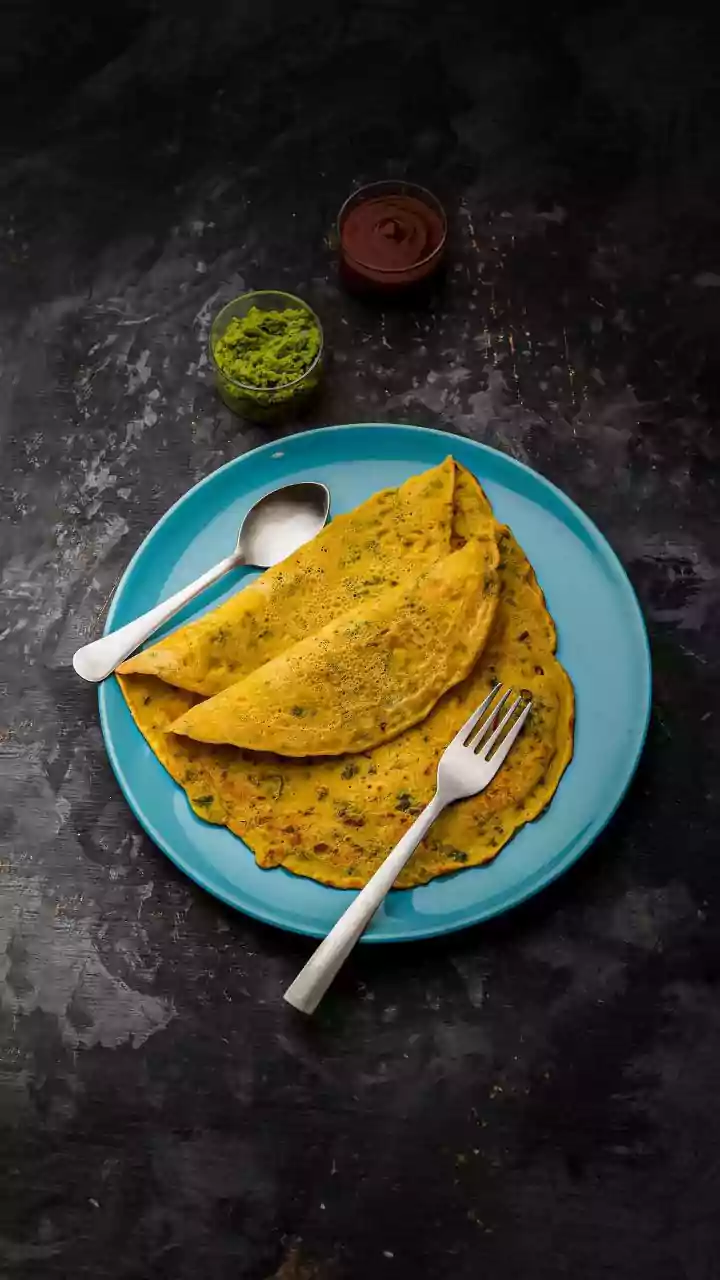
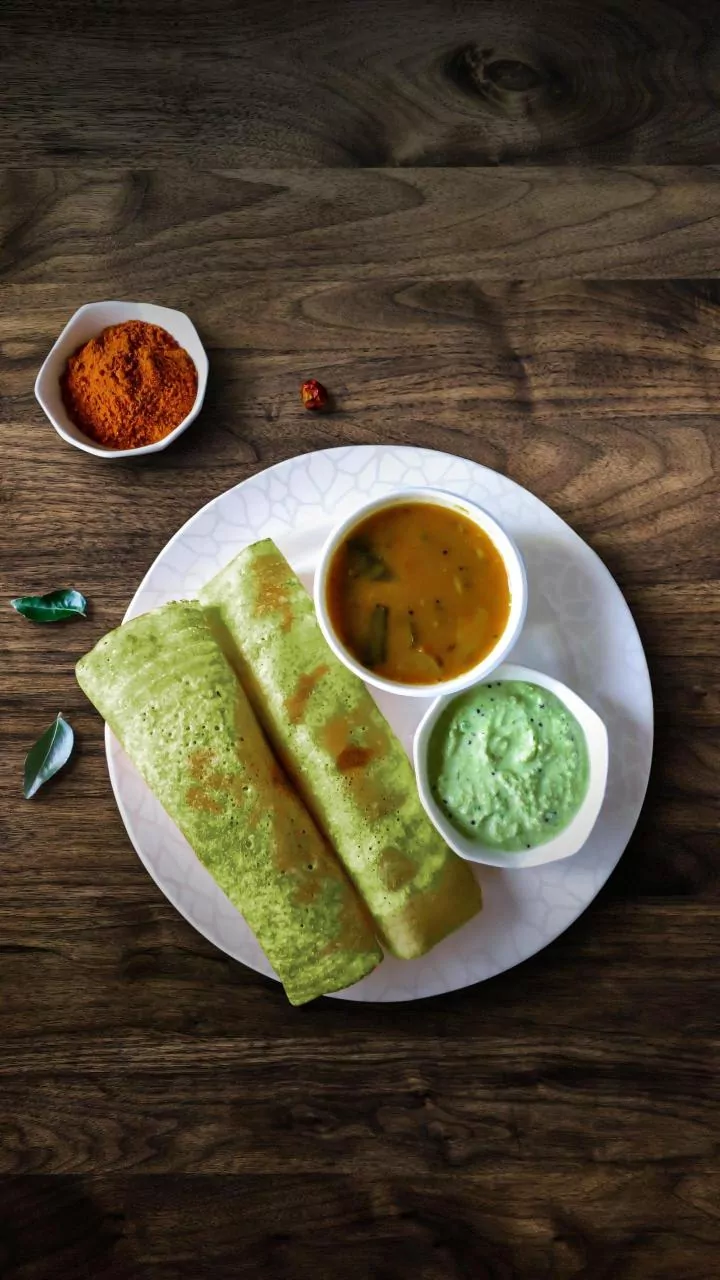
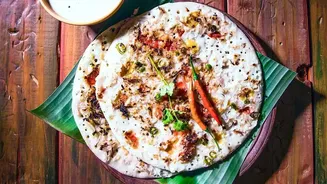
The type of pan you use directly impacts how much oil you need. Traditional steel or aluminium kadais often cause food to stick, prompting cooks to add more oil as a preventative measure. Investing in good-quality non-stick or hard anodized cookware can be a game-changer. These surfaces prevent food from sticking, allowing you to sauté vegetables or make a tadka with as little as a single teaspoon of oil. A good non-stick pan is perfect for making dosas, cheelas, and paneer tikka with minimal fat. Similarly, a hard anodized kadai provides even heat distribution, which helps in browning onions and cooking masalas without them catching on the bottom. This one-time upgrade can lead to daily savings in oil consumption, making it one of the most effective changes for a healthier kitchen.
Rethink Your Tadka and Masalas
The tadka, or tempering, is the heart of many Indian dishes, but it doesn’t need to swim in oil to be flavourful. One powerful technique is to dry-roast your whole spices like cumin, coriander, and mustard seeds in a hot pan before adding them to your dish. This process releases their aromatic essential oils through heat, not fat, giving you a deep, toasty flavour without the extra oil. When cooking your onion-tomato masala, resist the urge to add more oil when the mixture starts to stick. Instead, add a splash of water or vegetable stock. This technique, known as deglazing, lifts the browned bits from the bottom of the pan and adds moisture, allowing the masala to cook down beautifully and develop a rich flavour without needing more fat.
Measure Your Oil, Don’t Pour
One of the most common habits in Indian kitchens is to pour oil directly from the bottle into the pan. This 'andaz' or instinct-based pouring often results in using far more oil than necessary. A simple but highly effective change is to start measuring. Use a standard teaspoon or tablespoon to portion out your oil. This small act brings immediate awareness and control over how much fat is going into your food. An even better method is to use an oil spray or mister. A quick spray can coat the entire surface of a pan with a fine, even layer, using a fraction of the oil you would use when pouring. This technique is especially useful for greasing pans for tikkis or for lightly coating vegetables before roasting or air-frying. This shift from free-pouring to conscious portioning can reduce oil usage by a significant amount in every single meal.
Use Natural Thickeners and Flavour Finishers
Often, oil is used to add richness and a feeling of body to curries. However, you can achieve a similar creamy texture using healthier alternatives. Instead of relying on fat, consider adding natural thickeners to your gravies. A spoonful of blended dal, a bit of pumpkin puree, or even grated lauki (bottle gourd) can add thickness, fibre, and nutrients. Plain yogurt or curd can also be used to create a creamy base for dishes like kadhi or certain chicken curries, lending a pleasant tang without the heaviness of oil. Finally, change how you finish your dishes. Rather than adding a final spoon of ghee or oil for flavour, use fresh ingredients. A generous sprinkle of freshly chopped coriander, a squeeze of lemon juice, or a dusting of roasted kasuri methi or garam masala at the end can elevate the dish with bright, aromatic notes that fat alone cannot provide.