


The Hidden Danger in Your Kitchen
Cross-contamination is one of the most common causes of food poisoning, occurring when harmful bacteria are unintentionally transferred from one food item to another. The most frequent culprit is the interaction between raw and ready-to-eat foods. Think
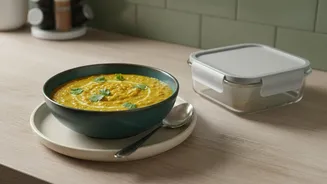
of raw chicken juices dripping onto a bowl of cooked dal in the fridge, or using the same cutting board for raw meat and then for slicing onions for a salad. While the bacteria on raw meat are killed during cooking, ready-to-eat foods don't undergo this final heating step, allowing any transferred germs to be consumed directly.
Mastering Refrigerator Storage
Your refrigerator is the first line of defence. The key is strategic storage. Always store raw meat, poultry, and seafood in sealed, leak-proof containers. The golden rule is to place these items on the bottom shelf of the fridge. This simple step ensures that any accidental drips or leaks cannot fall onto and contaminate the cooked or ready-to-eat foods stored below. Ready-to-eat items, like leftovers, salads, and dairy products, should always occupy the shelves above raw foods. Also, ensure your fridge temperature is consistently at or below 4-5°C to slow bacterial growth.
Beyond the Fridge: Surfaces and Utensils
Contamination doesn't just happen in the fridge. Countertops, cutting boards, and utensils are major transfer points for germs. The best practice, recommended by food safety authorities like FSSAI, is to use separate equipment for raw and cooked foods. If possible, have one cutting board designated only for raw meat and another for vegetables and other ready-to-eat items. If you only have one board, always wash it, along with knives and any other utensils, with hot, soapy water after they have been in contact with raw meat and before using them for anything else. Simply wiping them down is not enough to eliminate harmful bacteria.
The Grilling and Barbecue Trap
Outdoor cooking and barbecues present unique challenges. It’s common to see someone carry raw kebabs or marinated chicken to the grill on a platter, and then use that same unwashed platter to serve the cooked food. This is a classic cross-contamination mistake. Harmful bacteria from the raw meat juices can easily transfer to the cooked, ready-to-eat food. Always use a fresh, clean plate and separate, clean utensils for handling and serving cooked food. Treat any surface or tool that has touched raw meat as contaminated until it has been thoroughly washed.
Simple Habits for a Safer Kitchen
Preventing cross-contamination boils down to a few core habits. First, wash your hands thoroughly with soap and warm water for at least 20 seconds after handling raw meat, poultry, or eggs. Second, keep raw and cooked foods separate at all stages, from the shopping cart to your refrigerator and countertop. Third, clean and sanitise surfaces and equipment effectively between tasks. This includes not just cutting boards but also spice jars and other containers you might touch while cooking. Finally, don't wash raw meat or poultry before cooking. Splashing water can spread germs around your sink and onto nearby surfaces, increasing the risk of contamination.