


The New Festive Plate
From Ganesh Chaturthi's rich modaks to Navratri's fasting feasts and Diwali's decadent sweets, food is central to celebration in India. However, a noticeable shift is underway. More people are embracing a balanced approach, focusing on enjoying festive
foods without the post-celebration slump. This isn't about deprivation but moderation and smart choices. The trend involves mindful eating, portion control, and healthier ingredient swaps that preserve the soul of traditional dishes. The goal is to participate in the festivities wholeheartedly while supporting long-term well-being. This has led to a rise in popularity for sweets and snacks that are both nourishing and satisfying.
Why the Shift Towards Balance?
Several factors are driving this change. A growing awareness of health and wellness means people are more conscious of how food affects their energy and well-being. Rather than viewing festivals as a free-for-all, many now see them as an opportunity to enjoy traditional foods in a more sustainable way. Nutritionists advise against skipping meals to 'save up' for a feast, as this often leads to overeating. Instead, they recommend starting the day with a nourishing meal and enjoying festive treats as part of an overall balanced day. This mindful approach helps prevent the cycle of overindulgence followed by guilt, making celebrations more enjoyable.
Ganesh Chaturthi's Lighter Touch
Ganesh Chaturthi is synonymous with modak, the favourite sweet of Lord Ganesha. While the deep-fried version is popular, the traditional steamed Ukadiche Modak, made with rice flour, coconut, and jaggery, is already a relatively healthy, portion-controlled option. The modern trend takes this further, with many home cooks and chefs exploring baked versions to reduce oil. There's also a move towards using natural sweeteners like dates and healthier flours. Beyond modaks, there's an emphasis on balancing richer foods with lighter meals and staying active throughout the celebrations. This ensures the festive spirit is enjoyed without compromising on health.
Nourishing Navratri Fasts
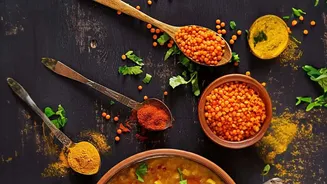
Navratri fasting traditionally involves avoiding regular grains, lentils, onion, and garlic, while allowing specific flours, fruits, and dairy products. While this often leads to a reliance on fried potato dishes and heavy snacks, the new approach focuses on the wide variety of nutritious options available. Vrat-friendly flours like buckwheat (kuttu), amaranth (rajgira), and water chestnut (singhara) are being used to make rotis, dosas, and cheelas instead of just deep-fried puris. Millets like barnyard millet (sama) are used for khichdi and pulao. Snacks now include roasted makhana (fox nuts), fruit chaats, and portions of nuts and seeds, providing sustained energy. The emphasis is on staying hydrated and eating small, frequent meals to maintain energy levels.
Smart Swaps and Expert Tips
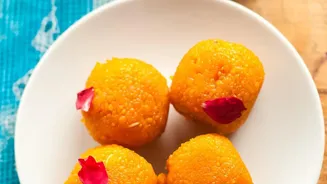
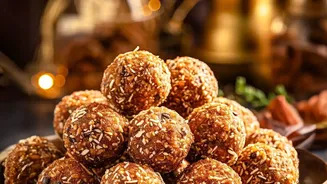
Nutritionists and chefs agree that small changes can make a big difference. One popular tip is to swap refined sugar with natural alternatives like jaggery or dates in sweets like laddoos and barfis. Using whole grains or millet flours instead of refined maida adds fibre. Cooking methods are also getting a makeover; baking or air-frying snacks like samosas and chaklis is a popular alternative to deep-frying. When it comes to meals, the 'plate method' is a useful guide: fill half your plate with vegetables or salad, a quarter with protein like dal or paneer, and the final quarter with carbohydrates. Above all, the advice is to eat slowly, savour each bite, and listen to your body's hunger cues.