



The Core of the Janmashtami Vrat
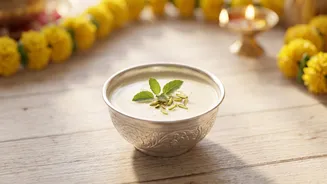
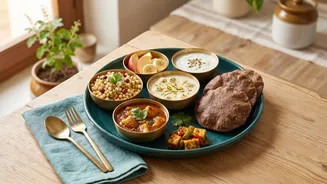
The Janmashtami fast is a spiritual practice observed by millions to honour the birth of Lord Krishna. More than just abstaining from food, it is a day for prayer, meditation, and focusing the mind on spiritual pursuits. Devotees typically avoid all grains,
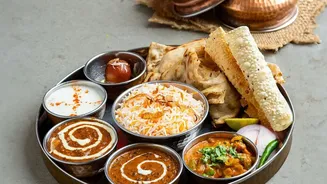
cereals, and lentils, similar to the rules for Ekadashi fasting. Many opt for a 'phalahar' diet, consuming fruits, milk products, and specific fasting-friendly foods like sabudana or water chestnut flour. The most devout may observe a 'nirjala' fast, without any food or water. The fast culminates with celebrations at midnight, the time Lord Krishna is believed to have been born. The intention behind the fast is considered more important than its strictness, allowing for variations based on health, age, and personal capacity.
Smarta vs. Vaishnava: Two Paths, Two Timings
The primary reason for the different fasting schedules lies in the two major traditions within Hinduism: Smarta and Vaishnava. Though both revere Lord Krishna, they follow different scriptural rules for determining the exact day and time of observance. Smartas are often householders who worship five primary deities (Panchayatana puja) as manifestations of one supreme reality. Vaishnavas, on the other hand, exclusively worship Lord Vishnu and his avatars, including Krishna, as the supreme being. This philosophical distinction extends to how they interpret the celestial calendar for festivals like Janmashtami, often resulting in observances on consecutive days.
The Celestial Clock: Ashtami Tithi and Rohini Nakshatra
To understand the timing, one must look at the Hindu lunar calendar. Krishna's birth is associated with two key astronomical events: the Ashtami Tithi (the eighth lunar day of the dark fortnight) and the Rohini Nakshatra (his birth star). The main puja is held during Nishita Kaal, the midnight period. The Smarta tradition gives precedence to the Ashtami Tithi. They observe Janmashtami on the day when the Ashtami Tithi is prevalent during midnight. This is why their celebrations might fall on a day when, technically, the sunrise began on the seventh day (Saptami Tithi). For them, the critical factor is the lunar day active at the moment of Krishna's midnight birth.
The Vaishnava Method: Waiting for the Auspicious Conjunction
Followers of Vaishnavism, including prominent institutions like ISKCON, place equal or greater importance on the Rohini Nakshatra. Their rules often require both the Ashtami Tithi and Rohini Nakshatra to be in effect. They will never observe the fast on a Saptami Tithi. This stricter requirement often pushes their Janmashtami observance to the following day, especially in years when the tithi and nakshatra do not perfectly align over midnight. This ensures that the celebration occurs under the most auspicious celestial combination as described in their traditions.
Breaking the Fast: The Parana Puzzle
This difference in calculation directly impacts the Parana, or the time of breaking the fast. The most traditional rule, found in texts like the Dharmasindhu, states that the fast should be broken only after both the Ashtami Tithi and Rohini Nakshatra have ended, which is often the morning after Janmashtami. This can sometimes mean fasting for nearly two full days. However, a widely accepted modern practice, followed in many households, is to break the fast after the midnight puja and aarti are completed. Devotees may consume the prasad offered to Lord Krishna, such as panchamrit or fruits. Some treat this as a concession, completing a more formal Parana with a regular meal the next morning. Ultimately, whether one breaks the fast at midnight or the next morning depends on family customs and the specific tradition being followed.