



How Humidity Affects Your Skin
The rainy season brings a spike in humidity, which is the amount of water vapour in the air. While you might think this extra moisture is good for your skin, it creates a unique set of challenges. High humidity can signal your sebaceous glands to produce
more oil, leaving your skin looking shiny and feeling greasy. This excess oil can mix with sweat, dirt, and dead skin cells, creating the perfect storm for clogged pores and breakouts. Furthermore, the constant dampness can disrupt your skin's natural barrier, sometimes leading to sensitivity and irritation. It’s a common misconception that skin doesn't need hydration in humid weather, but in reality, the barrier still needs support to function properly.
The Problem with Heavy Creams
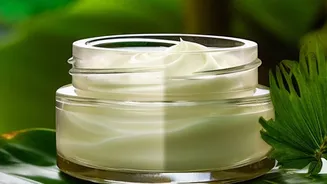
The thick, creamy moisturisers that feel so comforting in dry, cold weather often contain a high percentage of occlusive and emollient ingredients. Occlusives, like petroleum jelly or heavy butters, work by forming a protective seal on the skin to prevent moisture from escaping. While this is excellent for harsh winters, it can be disastrous during the monsoon. In high humidity, this heavy layer can trap sweat and excess sebum against the skin, leading to a suffocating feeling, clogged pores, and potential acne breakouts. Instead of sinking in, the product may just sit on the surface, contributing to that sticky, unpleasant 'chip-chip' feeling many experience during this season.
The Rise of Lightweight Formulas
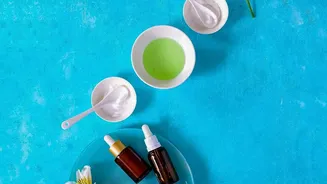
This is where lightweight moisturisers come in. These are typically water-based, gel, or lotion-like formulas that are designed to absorb quickly without leaving a heavy or greasy film. Their primary function is to provide hydration using humectants—ingredients that attract water—rather than relying on heavy oils to seal it in. This makes them ideal for the Indian monsoon climate. They deliver the necessary moisture to keep your skin barrier healthy and balanced but allow your skin to breathe. A good lightweight moisturiser should feel refreshing upon application and disappear into the skin within seconds, leaving it feeling plump and hydrated, not sticky.
Key Ingredients to Look For
When shopping for a monsoon-friendly moisturiser, look for the term "non-comedogenic," which means the product is formulated to not clog pores. Beyond that, certain ingredients are heroes in humid weather. Hyaluronic Acid is a powerful humectant that draws moisture into the skin, providing intense hydration without any weight. Niacinamide is another superstar ingredient; it helps regulate oil production, minimises the appearance of pores, and soothes redness, making it perfect for unbalanced monsoon skin. Glycerin is another effective, lightweight humectant. Formulations with ceramides can also be beneficial, as they help repair the skin's barrier without necessarily being heavy, especially in lighter lotion or emulsion formats.
How to Make the Switch
Making the transition is simple. As the weather shifts, pack away your heavy winter cream and introduce a gel or lightweight lotion into your daily routine. Apply a small, coin-sized amount to cleansed, slightly damp skin both morning and night. Applying moisturiser to damp skin helps lock in extra hydration. Because lightweight formulas absorb so well, they create a smooth, non-greasy canvas for sunscreen and makeup, helping them stay put rather than sliding off in the humidity. Remember, even oily skin needs hydration; skipping this step can actually cause your skin to produce even more oil to compensate for the lack of moisture.