





Beyond the Postcard Picture
Most travel itineraries are built around sightseeing—a checklist of historical sites, museums, and viewpoints. While these places offer a valuable glimpse into a city's past, they often present a curated, polished version of its reality. True cultural
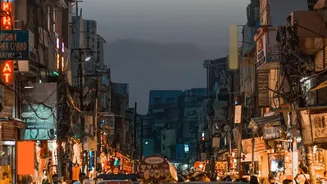
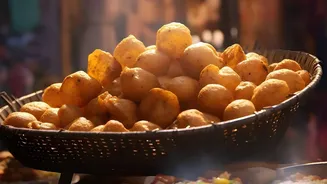
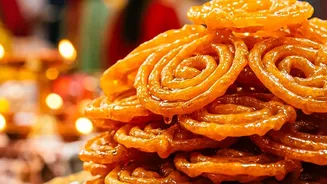
immersion happens in the spaces where daily life unfolds, unfiltered and unscripted. Street food lanes, known as 'khau gallis' in parts of India, are precisely these kinds of places. They are vibrant, often chaotic, and deeply embedded in the local rhythm. Here, the barrier between tourist and local dissolves over a shared plastic table and a plate of something delicious. It's an experience that offers a taste of the city's true character, one bite at a time.
A Universal Language
Food is a language that everyone understands. You don’t need to be fluent in the local dialect to appreciate the skill of a vendor flipping a dosa or the complex spice blend in a steaming bowl of noodles. This shared appreciation creates an immediate, unspoken bond. In a food lane, communication is simplified and humanised. A smile, a pointed finger, and a nod of thanks are often all that’s needed to complete a transaction. This simple interaction is a powerful form of connection, stripping away the formalities that can make tourist experiences feel sterile. It’s a reminder that at our core, we are all connected by fundamental needs and pleasures.
The Social Melting Pot
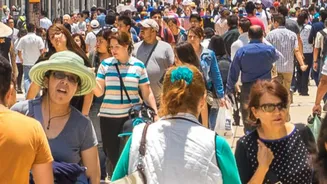
Street food is often called the 'social equaliser' for good reason. In a food lane, people from all walks of life gather to eat. Business executives in suits might stand next to students and labourers, all enjoying the same dish. This communal setting provides a rare and honest snapshot of the local community. For a traveler, this is an opportunity not just to people-watch, but to participate. By pulling up a stool, you become part of the scene, not just an observer of it. This shared space fosters a sense of belonging, however temporary, and allows for organic interactions that are impossible to script or find on a guided tour.
A Taste of History and Innovation
Every dish sold in a food lane has a story. The recipes are often passed down through generations, reflecting the region's agricultural history, migration patterns, and cultural influences. A single snack can tell you about trade routes, colonial history, and local ingenuity. At the same time, these lanes are hubs of culinary innovation. Vendors are constantly experimenting, creating new fusion dishes that reflect the evolving tastes of the city. Engaging with this food is like participating in a living history lesson. It allows you to understand how a community honours its past while embracing its future, providing a much richer context than a museum plaque ever could.
How to Dive In Respectfully
The thought of navigating a crowded, unfamiliar food lane can be intimidating. The key is to start simple. Look for the stalls with the longest queues—a long line of locals is the best possible review. Don't be afraid to ask for recommendations, even if it's just by pointing at what someone else is eating. Carry small bills to make payment easy. Most importantly, approach the experience with an open mind and a spirit of adventure. Remember that you are a guest in a space that is a vital part of the local community's daily life. A little courtesy and a genuine smile will go a long way in making your culinary exploration a rewarding and connective experience.