

From Special Occasion to Weekend Project
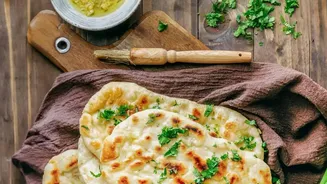
For years, breads like naan, kulcha, and sheermal were filed under 'restaurant-only' for most home cooks. The mystique of the tandoor, the specialised kneading techniques, and the seemingly complex fermentation process made them feel out of reach for the everyday
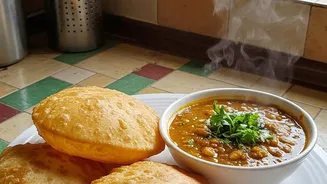
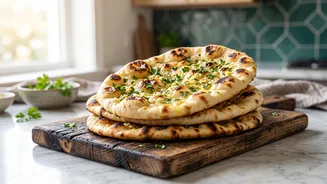
kitchen. The domain of the home was the simple, daily tawa roti or phulka. Anything more elaborate was outsourced to the professionals. Today, that line is blurring. A growing wave of culinary enthusiasm is inspiring people to roll up their sleeves and tackle these once-intimidating recipes. The weekend project is no longer just baking a cake; it’s about perfecting that pillowy Amritsari kulcha or achieving the perfect puff on a bhatura. This shift represents more than just a new hobby; it’s a confident step towards reclaiming a part of our culinary heritage that was long considered too complex for home cooking.
The Rise of the Social Media Tandoor
A major catalyst for this trend is the glowing screen in your pocket. Instagram Reels, YouTube tutorials, and Facebook foodie groups have become virtual cooking schools. Food bloggers and home chefs are demystifying the art of Indian bread-making, one short video at a time. They break down complex processes into easy, scrollable steps, making them feel achievable. Seeing a home cook successfully bake a naan on an inverted pressure cooker or a cast-iron skillet inspires confidence. This visual medium is perfectly suited for bread, showcasing the satisfying stretch of a well-kneaded dough or the dramatic puff of a roti in the flame. Hashtags create communities where enthusiasts can share their triumphs and troubleshoot their failures, creating a supportive ecosystem that encourages experimentation. Social media has effectively replaced the intimidating image of a fiery tandoor with the encouraging smile of a fellow food lover in their own kitchen.
Beyond Naan: Exploring Regional Gems
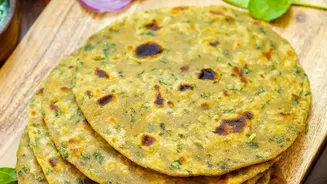
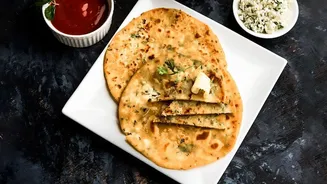
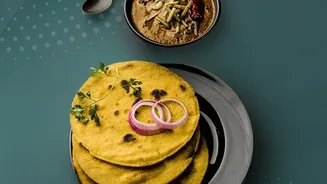
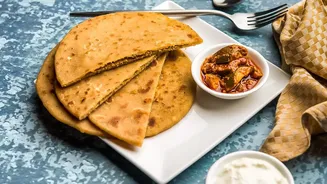
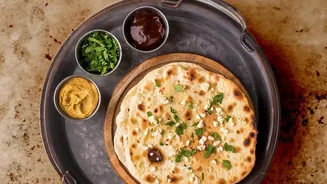
While naan is often the gateway, this trend extends far beyond it. Home cooks are exploring the rich diversity of Indian breads that rarely get the spotlight in mainstream restaurants. Soft, mildly sweet Sheermal from Lucknow, flaky Warqi Parathas, and even the handkerchief-thin Rumali Roti are finding their way onto home dining tables. Stuffed breads like paneer kulcha and keema naan are also seeing a surge in popularity, allowing for endless creativity. This exploration signifies a deeper engagement with Indian cuisine, moving past generic 'curry house' menus to appreciate regional specialties. It’s a journey of discovery, where a recipe for a Bakarkhani from Kashmir or a Puran Poli from Maharashtra can be found and mastered with a few clicks, connecting cooks to the vast and varied bread traditions across the country.
Unlocking the Chef’s Secrets at Home
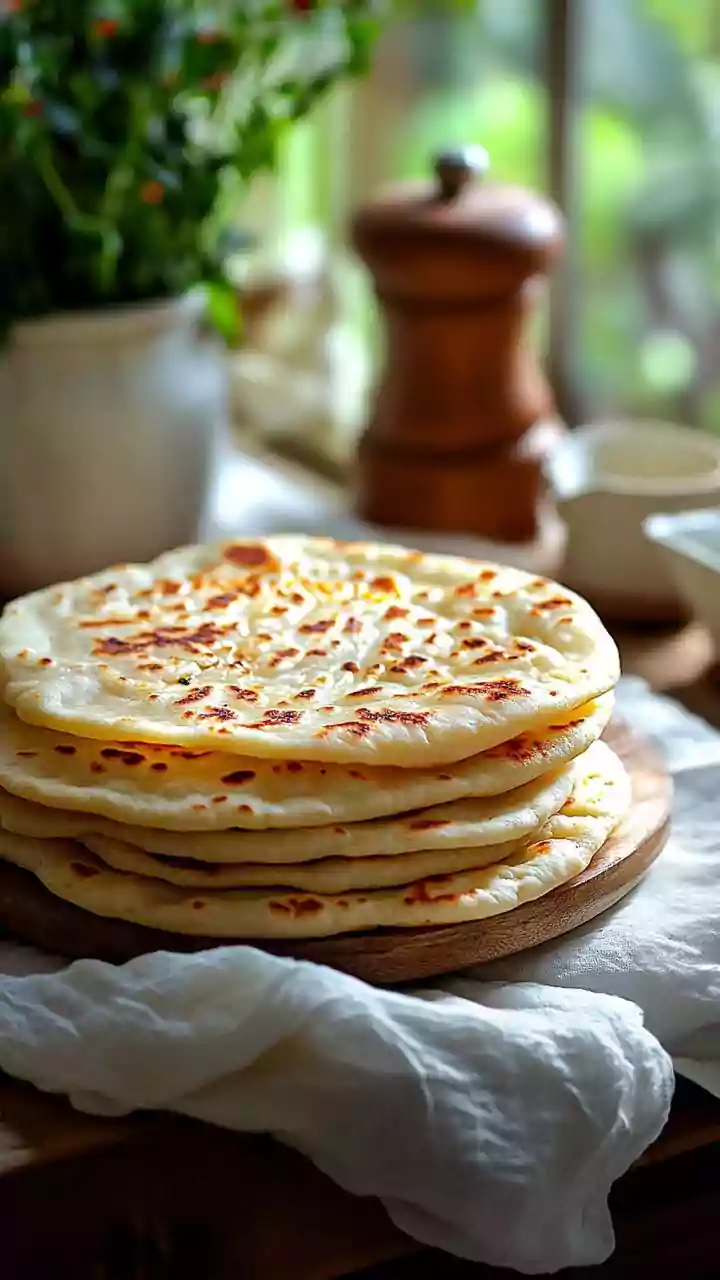
So, how are home kitchens replicating the intense heat of a commercial tandoor? Ingenuity and the availability of modern tools are key. Many recipes now teach how to use a cast-iron tawa, a pizza stone, or even the broiler setting in an oven to achieve that signature char and chew. Detailed recipes from a new generation of cookbook authors and online creators offer precise measurements for ingredients like yeast, baking soda, and yoghurt, removing the guesswork from fermentation. Furthermore, access to high-quality ingredients has never been easier. Specialty flours, active dry yeast, and flavourings like nigella seeds (kalonji) are now readily available online and in local stores, empowering home cooks to produce results that rival their favourite restaurants. The secret, it turns out, wasn't just the tandoor—it was technique, and that technique is now accessible to all.
More Than Just a Meal
This movement towards complex home baking is about more than just putting food on the table. It's a form of creative expression and skill-building. In a world of instant gratification, the slow, mindful process of kneading dough, waiting for it to rise, and carefully cooking each piece offers a unique sense of satisfaction. It’s about understanding the science behind the food we eat and connecting with it on a tactile level. For many, it's also a way to connect with family traditions and introduce a new generation to the authentic flavours of their heritage, made with love right at home. The ability to produce a restaurant-quality meal from scratch brings a sense of pride and accomplishment, turning a simple dinner into a memorable experience and a topic of conversation.