





The Post-Monsoon Scorch
For Mumbaikars, October often brings a confusing and uncomfortable paradox. The grey skies of the monsoon clear, but instead of pleasant weather, the city is gripped by intense heat and humidity. This period is locally known as 'October Heat'. Currently,
the city is under a heatwave warning, with temperatures soaring several degrees above normal. The India Meteorological Department (IMD) recorded temperatures as high as 38.2°C this week, making it one of the hottest October spells in over a decade and prompting yellow alerts for hot and humid conditions. This isn't just a minor inconvenience; the combination of high temperatures and moisture makes the 'real feel' even higher, creating genuinely dangerous conditions.
A Retreating Monsoon's Parting Shot
The science behind October Heat lies in the withdrawal of the southwest monsoon. During the monsoon, strong westerly winds from the Arabian Sea and extensive cloud cover keep temperatures in check. As the monsoon retreats, this pattern reverses. The cloud cover dissipates, allowing for direct and intense solar radiation to heat the land. Furthermore, the prevailing winds can shift to easterly or northeasterly, which are warmer and limit the cooling effect of the sea breeze. An anticyclonic circulation, a high-pressure system, can also trap this warm air over the region, preventing it from dispersing and leading to a prolonged spell of oppressive heat that can last for days.
More Than Just Discomfort
The severe heat and humidity pose significant health risks. The body's natural cooling mechanism, sweating, becomes less effective in humid conditions, increasing the risk of heat-related illnesses. Health officials warn of a heightened danger of dehydration, heat exhaustion, and potentially fatal heatstroke. Symptoms to watch for include dizziness, heavy sweating, nausea, headache, and extreme weakness. Vulnerable populations, such as children, the elderly, pregnant women, and individuals with chronic health conditions like heart or kidney disease, are at a particularly high risk for complications. The continuous heat puts a strain on the body, especially when nighttime temperatures also remain elevated, offering little respite.
The City That Pauses
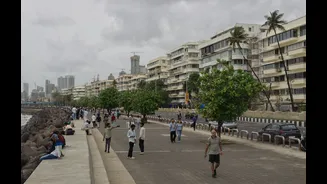
The impact on daily life in a city that never stops is palpable. During peak afternoon hours, from around 11 a.m. to 4 p.m., the otherwise crowded streets become noticeably quieter as people follow advisories to stay indoors. Outdoor workers, from construction labourers to delivery personnel, face the most significant risk and are forced to adjust their schedules or take frequent breaks in the shade. The heat also puts a strain on infrastructure, with a surge in electricity demand as homes and offices run air conditioners at full blast. For many, the rhythm of daily life is dictated by the sun, with activities planned for the cooler early morning or evening hours.
How Residents Cope and Stay Safe
In response to the heatwave, civic bodies and health experts have issued clear guidelines. The primary advice is to stay hydrated by drinking plenty of water and other fluids like coconut water or buttermilk, even before feeling thirsty. Wearing light-coloured, loose-fitting cotton clothing is recommended to help the body stay cool. It is crucial to avoid strenuous activity and stay out of direct sun during the hottest parts of the day. For those who must be outdoors, using umbrellas, hats, and taking frequent rests in cool, shaded areas is essential. Authorities also advise checking on vulnerable family members and neighbours to ensure they are safe and cool.