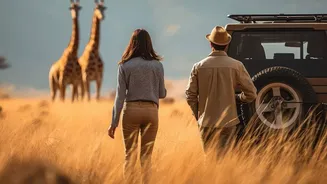



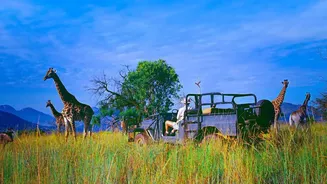

The thrill of a winter morning jeep safari—crisp air, golden light, and the chance of a magical wildlife sighting—is an unforgettable experience. But the pre-dawn chill is sharp and real, especially in an open vehicle. Smart packing is key.
The Art of Layering
The single
most effective strategy against the cold is layering. Instead of one bulky jacket, think in terms of three distinct, removable layers. This allows you to adapt as the sun rises and temperatures change. Start with a thermal base layer made of a moisture-wicking fabric to keep your skin dry and warm. Over this, add a mid-layer like a fleece jacket or a wool sweater, which traps body heat. Your final, outermost layer should be a windproof, and preferably water-resistant, jacket. The wind chill inside a moving jeep can make temperatures feel significantly colder than they are, and a good outer shell is your primary defence against it. Avoid materials like denim, which offers poor insulation and takes a long time to dry.
Protect Your Extremities
Your head, hands, and feet are most vulnerable to the cold and are often the first to feel it. A warm woollen cap or beanie is non-negotiable; it prevents a significant amount of body heat from escaping and is crucial for comfort during the ride. A muffler, scarf, or neck gaiter serves a dual purpose: it keeps your neck warm and can be pulled up to protect your face and nose from biting winds and dust. For your hands, a pair of warm gloves is essential. Consider thinner, touchscreen-compatible gloves if you plan on using your phone or camera frequently, as taking off thick mitts can be cumbersome. Finally, don't neglect your feet. A pair of thick, warm woollen socks inside comfortable, closed-toe shoes will make a huge difference in your overall comfort.
Essential Safari Accessories
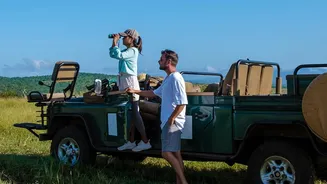
Beyond clothing, a few key items will enhance your safari experience. Binoculars are a must-have for getting a closer look at distant wildlife. A small torch or headlamp is useful for the pre-dawn start when it's still completely dark. Even in winter, the sun can be harsh, so pack sunglasses and a high-SPF sunscreen for any exposed skin. The dry, cold air can be tough on your skin and lips, so a good moisturiser and a lip balm with SPF are highly recommended. A reusable, insulated water bottle will help you stay hydrated, and you might consider filling it with a warm beverage for the early morning.
Gear and Gadget Care
Cold weather is notoriously hard on batteries. If you're bringing a camera, ensure you have at least one or two fully charged spare batteries. Keep the spares in an inside pocket of your jacket, close to your body, to keep them warm and preserve their charge. Cold can drain them much faster than usual. Dust is another major factor on safari drives. A protective bag for your camera is a good idea to shield it when not in use. When transitioning from the cold outdoors to a warm room, leave your camera in its bag for an hour or so to let it acclimatise gradually, preventing condensation from forming on the lens and internal parts.