




Kolkata carries many titles, but none are as evocative as the 'London of India'. This moniker isn't just a casual comparison; it's a direct link to a time when the city was the jewel of the British Empire and the second city after London itself.
The Imperial Capital's Foundation
To understand
the nickname, we must go back to 1772. This was the year the British East India Company, having established significant control, moved the capital of British India from Murshidabad to Calcutta, as it was then known. Its strategic location on the Hooghly River, a distributary of the Ganges, provided ideal access to the sea for trade in jute, tea, and textiles, mirroring London's own development along the River Thames. For nearly 140 years, until the capital shifted to Delhi in 1911, Calcutta was the administrative, commercial, and political nerve centre of the entire subcontinent. This long tenure as the seat of power meant the British invested heavily in shaping the city in their own image, creating an urban landscape that was meant to project imperial authority and permanence.
A Canvas of Grand Architecture
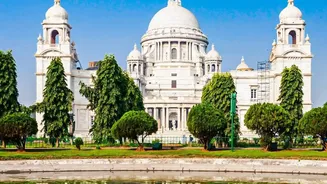
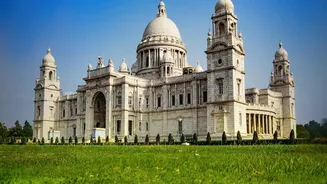
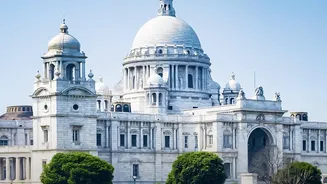
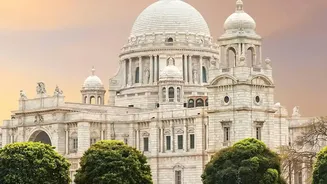
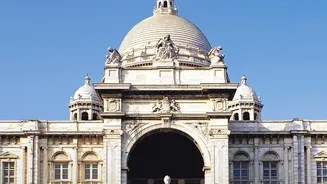
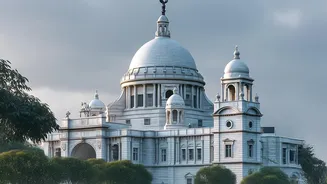
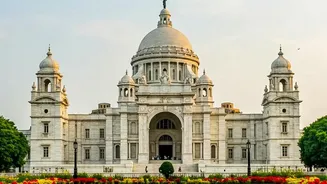
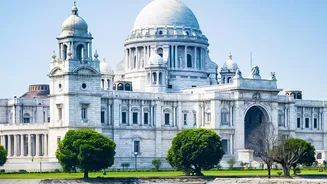
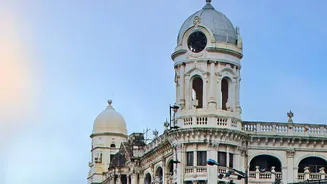
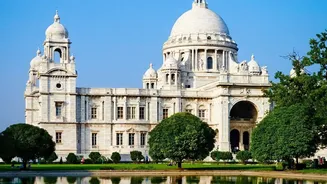
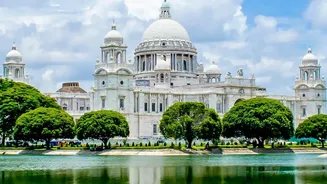
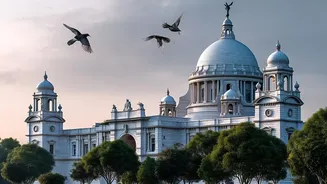
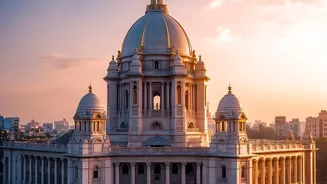
The most visible reason for the 'London' comparison is Kolkata's stunning colonial architecture. The British built grand public buildings, monuments, and mansions in prevailing European styles like Neoclassical, Gothic Revival, and Victorian. The most iconic of these is the Victoria Memorial, a magnificent white marble monument built between 1906 and 1921. Designed by William Emerson, its Indo-Saracenic style blends British and Mughal elements, but its scale and purpose as a tribute to Queen Victoria made it a symbol of imperial grandeur. Similarly, St. Paul's Cathedral, completed in 1847, was the first Anglican cathedral in Asia and a prime example of Indo-Gothic architecture designed to suit the Indian climate. Other structures like the General Post Office with its towering Corinthian columns, the imposing Writers' Building, and the Calcutta High Court all contributed to a cityscape that felt powerfully European, earning Kolkata another nickname: the 'City of Palaces'.
Echoes of London in Culture and Society
The resemblance to London went far beyond brick and marble. The British established a cultural and social ecosystem that mimicked their homeland. Prestigious social clubs, horse racing at the Royal Calcutta Turf Club, and the introduction of English-language education created a distinct Anglo-Indian high society. Institutions like the Indian Museum, the oldest and largest in the country, were founded, fostering a spirit of scientific and cultural cataloguing popular in Victorian England. The city even had the first newspaper in India, Hickey's Bengal Gazette, which chronicled the social life of the European community. This transplantation of British lifestyle, administration, and social norms onto an Indian city was a key reason the 'London of India' tag felt so apt.
A Legacy That Endures
While the seat of government moved to Delhi over a century ago, the architectural and cultural imprints of the colonial era remain an integral part of Kolkata's identity. The grand buildings still stand, many of them continuing to serve as administrative offices, museums, and places of worship. The city's layout, with the sprawling Maidan park at its heart, similar to London's great parks, is a legacy of colonial urban planning. Even the vintage yellow taxis and the iconic tram system, the only one of its kind in India, add to a nostalgic atmosphere that feels distinct from other Indian metropolises. The nickname 'London of India' is therefore more than just a historical footnote; it's a living description of any layers of history that continue to shape the unique and compelling character of the 'City of Joy'.