






A New Space Race Begins
India's space story is no longer solely written by the Indian Space Research Organisation (ISRO). A quiet but powerful revolution, accelerated by policy reforms since 2020, has unlocked the sector for private companies, creating a vibrant new ecosystem.
The Indian government has projected the nation's space economy to grow from around $8.4 billion in 2023 to approximately $44 billion by 2033. This isn't just about launching rockets; it's about building a deep, commercial industry that creates high-skilled jobs and drives innovation. The number of space startups has surged from just one in 2014 to over 400 in 2026, a clear sign of the sector's explosive growth. This expansion is being driven by a combination of government support, significant private investment, and a new generation of entrepreneurs.
Meet the New Private Players
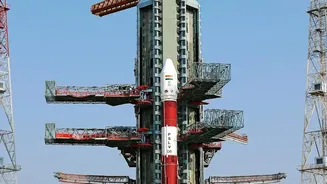
The new landscape is populated by ambitious startups that are already making their mark. Companies like Hyderabad-based Skyroot Aerospace and Chennai's Agnikul Cosmos are developing their own launch vehicles to send small satellites into orbit. In July 2026, Skyroot Aerospace became the first private Indian company to successfully launch a rocket into space. Meanwhile, Bengaluru-based Pixxel is building a constellation of the world's most advanced earth-observation satellites, providing crucial data for sectors like agriculture and environmental monitoring. Other key players include Dhruva Space, which focuses on satellite platforms, and Digantara, which works on space situational awareness to track debris and manage satellite traffic. These companies are not just experimenting; they have secured significant funding, are launching real hardware, and are hiring aggressively.
The Jobs Beyond Rocket Science
The term 'space job' often brings to mind astronauts and aerospace engineers, but the reality is far broader. The burgeoning private space industry requires a diverse range of skills. While demand for engineers in aerospace, mechanical, and electronics fields remains high, the biggest growth areas are often in software and data. Roles for satellite data analysts, AI and machine learning specialists, remote sensing experts, and cybersecurity professionals for space systems are multiplying. These professionals are needed to interpret the vast amounts of data sent back by satellites for applications in everything from urban planning to disaster management. Furthermore, as these startups grow into full-fledged businesses, they also need professionals in marketing, finance, law, and human resources, creating opportunities for those with non-technical backgrounds.
The Government as an Enabler
This private-sector boom didn't happen in a vacuum. It is the direct result of deliberate government policy changes. The creation of the Indian National Space Promotion and Authorisation Centre (IN-SPACe) in 2020 was a landmark move. IN-SPACe acts as a single-window agency to promote, authorise, and supervise the activities of private space companies, cutting through red tape. The government has also liberalised Foreign Direct Investment (FDI) rules, allowing up to 100% FDI in certain areas like satellite manufacturing. This is designed to attract global players and crucial investment, giving Indian startups access to cutting-edge technology and capital. By commercialising technologies developed by ISRO and providing institutional support, the government is actively building a robust foundation for the private space industry to thrive.