






Embrace the Monsoon Magic
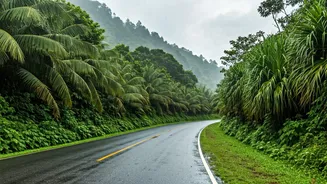
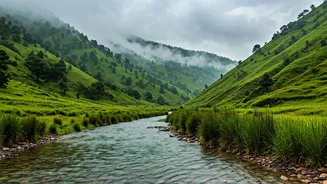
Many travellers shy away from the rainy season, but they miss out on a uniquely magical version of India. The monsoon breathes life into the country, turning hillsides into vibrant green carpets, creating countless waterfalls, and clearing the air. It's
a time of rebirth and rejuvenation. The crowds are thinner, and you can often find better deals on hotels and flights. With the right mindset and planning, travelling in July can be an incredibly rewarding experience, offering a perspective on the country that few get to see. The key is not to avoid the rain, but to prepare for it and choose destinations that truly shine during this time.
Where to Go: Monsoon Havens
Choosing your destination wisely is the first rule of monsoon travel. While some areas are best avoided, others become true paradises. The rain-shadow regions of the Himalayas, like Ladakh and Spiti Valley, are ideal as they receive very little rainfall and offer cool, pleasant weather for trekking and exploration. In the west, Rajasthan's 'City of Lakes,' Udaipur, becomes incredibly romantic as the rains replenish its famous water bodies like Lake Pichola. Down south, the Western Ghats come alive. Destinations like Munnar and Wayanad in Kerala, and Coorg in Karnataka, are draped in mist and endless shades of green, with their tea and coffee plantations looking their absolute best. For those in Maharashtra, the short drives to Lonavala or Mahabaleshwar offer a quick escape into misty, waterfall-laden landscapes.
What to Pack: The Monsoon Kit
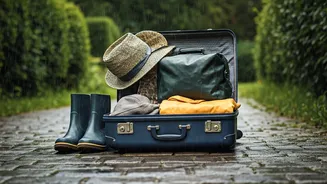
Your packing list is your best defense against the challenges of monsoon travel. Prioritise function over fashion. Opt for lightweight, synthetic, and quick-drying clothes; fabrics like polyester and nylon are ideal, while heavy materials like denim should be avoided. A sturdy, lightweight raincoat or poncho is non-negotiable. Footwear is critical: choose waterproof sandals with good grip or anti-skid trekking shoes. Leave the leather shoes and white sneakers at home. To protect your valuables, use waterproof bags or dry bags for electronics, documents, and wallets. An insect repellent is essential, as the monsoon is peak season for mosquitoes. Finally, always carry a small first-aid kit with basic medicines for common ailments.
Navigating with Caution
Safety should always be your top priority. The India Meteorological Department (IMD) has forecast below-normal rainfall for July 2026 across many parts of the country due to strengthening El Niño conditions, but heavy rainfall alerts can still be issued for specific regions, especially in the Himalayas. Always check the latest weather forecasts for both your destination and your travel route. If travelling by road, be aware that conditions can be treacherous. Drive slowly, maintain a safe distance from other vehicles, and never attempt to drive through flooded roads. Landslides are a real risk in hilly areas, so avoid night driving and have buffer days in your itinerary to account for potential delays. When it comes to food and water, be extra cautious. Drink only bottled or purified water and stick to hot, freshly cooked meals to avoid waterborne illnesses.