






The Allure of the Off-Season
The primary motivation for off-season travel is undoubtedly the cost. Airlines and hotels slash prices to fill seats and rooms during slower periods. This can mean saving anywhere from 20% to 60% on what you would pay during peak season. For many, this
makes a dream destination suddenly affordable. Beyond the savings, the lack of crowds is a major draw. Imagine visiting the Taj Mahal without jostling for a photo or exploring a Goan beach in relative solitude. This quieter atmosphere often leads to a more authentic experience, with more opportunities to interact with locals who aren't overwhelmed by hordes of tourists. You might also find better service, as hotel and restaurant staff have more time to dedicate to fewer guests.
The Reality of Rain and Weather
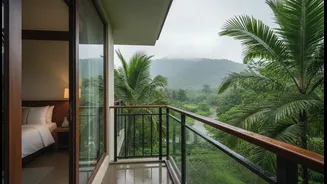
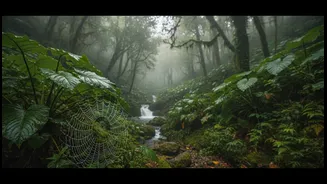
The most common trade-off for a cheap ticket in many destinations, particularly in India, is the weather. The monsoon season (roughly June to September) turns landscapes into lush, green paradises, but it also brings challenges. Heavy rainfall can lead to travel disruptions, including delayed trains and buses, and even landslides in hilly regions like Himachal Pradesh or Uttarakhand. If you’re planning a monsoon trip, choosing your destination wisely is key. While some regions become difficult to navigate, others like Goa or Kerala take on a unique charm, with roaring waterfalls and vibrant green fields. Packing correctly is essential: waterproof bags for electronics, quick-drying clothes, and a sturdy umbrella or raincoat are non-negotiable. It’s also wise to avoid street food and drink only bottled water to prevent water-borne illnesses, which are more common during this time.
Navigating Closures and Limited Services
Another potential downside is that some attractions and services may have reduced hours or be closed entirely. Many national parks in India, for example, close during the monsoon. Beach shacks in Goa, a major draw during peak season, are often dismantled. In colder climates, shorter daylight hours mean less time for sightseeing. To avoid disappointment, research is your best friend. Before booking, check the websites of specific attractions you want to visit to confirm their off-season hours. Look at local tourism boards and travel forums for recent information. Sometimes, a closure can be unexpected, such as a museum hosting a private event or a scenic road being used for a marathon. Having a flexible itinerary with backup options ensures that a closed door doesn't derail your entire day.
Maximising Shorter Daylight Hours
In many European or North American destinations, the off-season falls in winter, which means significantly shorter days. This can feel limiting, but with smart planning, you can still have a full experience. The key is to prioritize your outdoor activities for the morning and early afternoon to make the most of the sunlight. Plan your visits to museums, galleries, and other indoor attractions for later in the day, after the sun has set. Evening hours can be filled with enjoying the local culinary scene or attending cultural performances like concerts or theatre shows, which often have their main seasons during the winter months. It’s also a good practice to pre-adjust your sleep schedule a few days before your trip, which can help your body adapt more quickly to the new time zone and make the most of the available light.
So, Is It Worth the Gamble?
Ultimately, whether off-season travel is right for you depends on your personality and priorities. If your ideal vacation involves guaranteed sunshine and ticking off a long list of popular sights, you might be better off paying the premium for a peak-season trip. However, if you are a flexible, adventurous traveller who values authentic experiences and significant savings, the off-season can be incredibly rewarding. It offers a chance to see a different, more tranquil side of popular destinations. With thorough research, a flexible mindset, and the right packing list, you can mitigate the potential downsides and enjoy a fantastic trip. The rain might mean you discover a cozy cafe you would have otherwise missed, and the lack of crowds could lead to a conversation with a local that becomes the highlight of your journey.