




What is a Regional Produce Calendar?
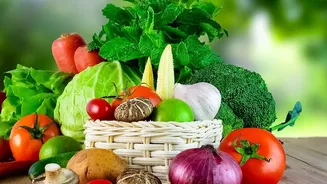
The idea of a “produce calendar” might sound formal, but it’s simply the practice of paying attention to what fruits and vegetables are naturally in season in your specific area. India’s diverse climate means a single national calendar is a myth; what’s
abundant in Maharashtra may differ from Punjab. A personal calendar is your guide to shopping smarter. It’s less about a rigid chart and more about observing what’s piling high at the local sabzi market. When you see heaps of fresh peas in winter or gourds during the monsoon, that’s your calendar in action. It’s a flexible plan that tunes your kitchen into the rhythm of nature.
The Many Benefits of Seasonal Eating
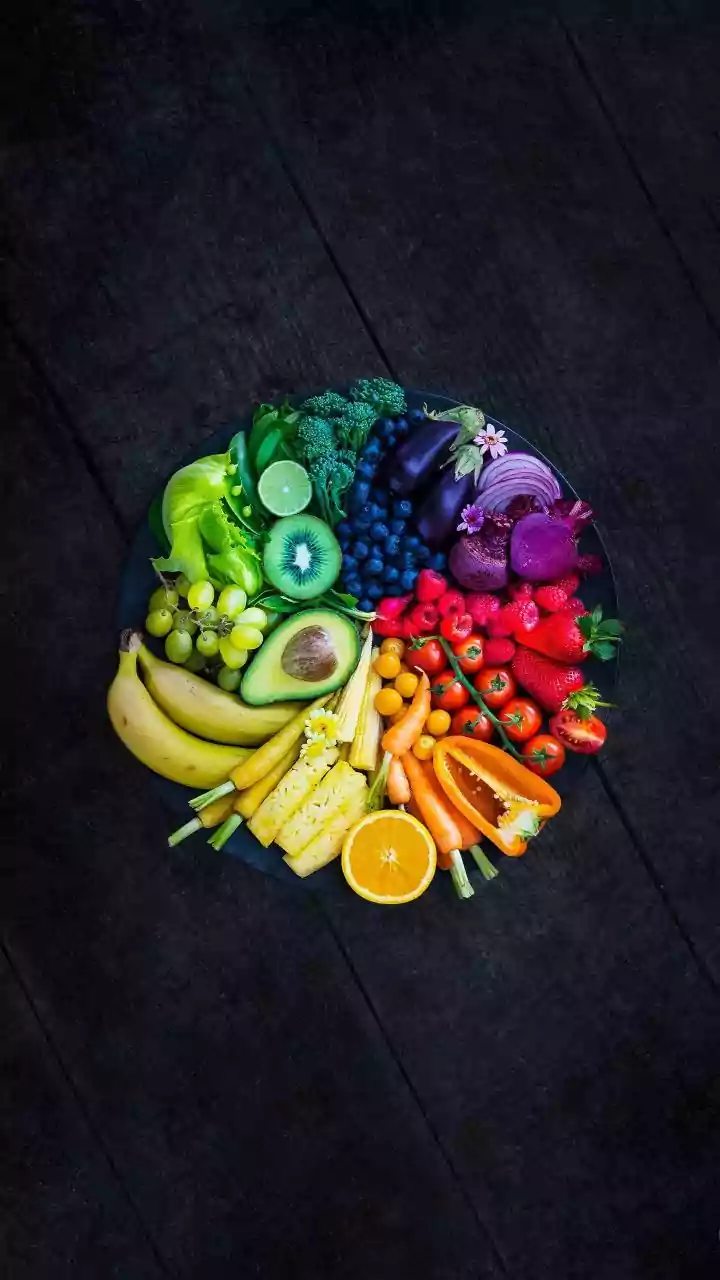
Aligning your diet with the seasons offers a wealth of advantages. Produce picked at its peak of ripeness is more nutrient-dense and flavourful. Because seasonal items are abundant, they are often more affordable. Eating locally and seasonally also reduces the environmental impact associated with long-distance food transportation and storage. It supports local farmers and strengthens community economies. Furthermore, it introduces variety into your diet, preventing culinary boredom and exposing you to a wider range of nutrients throughout the year.
Monsoon Bounty: Gourds and Greens
The rainy season (July to September) brings a unique array of produce that thrives in the humid weather. This is the time for gourds of all kinds: bottle gourd (lauki), ridge gourd (turai), and pointed gourd (parwal) are staples. Leafy greens, such as spinach (palak) and amaranth, are also common. In some regions, you'll find unique delicacies like wild mushrooms, bamboo shoots, and colocasia leaves. These vegetables are perfect for light, easy-to-digest meals. A simple lauki sabzi, a comforting dal with spinach, or a quick stir-fry with pointed gourd and minimal spices are ideal ways to enjoy the monsoon’s offerings.
Winter Warmers: Roots and Crucifers
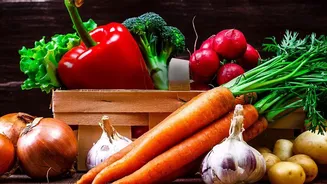
Winter (November to February) is a paradise for vegetable lovers in India. The cool weather yields sweet, dense produce that lends itself to hearty, warming dishes. Markets are filled with vibrant carrots (gajar), sweet peas (matar), cauliflower (gobhi), and root vegetables like turnips and beets. This is also the season for robust leafy greens like mustard greens (sarson) and fenugreek (methi). These vegetables are the backbone of countless winter classics. Think of slow-cooked sarson da saag, a fragrant matar pulao, a comforting aloo gobhi, or a nutrient-rich carrot and beetroot curry. Roasting winter vegetables also brings out their natural sweetness, perfect for adding to curries.
From Market to Plate: Simple Curries and Stir-fries
The beauty of Indian cooking is its adaptability to seasonal produce. The foundational techniques of a curry or a stir-fry (sabzi/bhaji) can be applied to almost any vegetable. A basic tempering of cumin seeds, turmeric, and ginger-garlic paste can be the start of a delicious bottle gourd curry in the monsoon or a carrot and pea stir-fry in the winter. For a quick meal, a stir-fry is perfect: simply sauté shredded cabbage, green beans, or okra with your favourite spices. For a richer dish, vegetables can be simmered in a coconut-based, tomato-based, or yogurt-based gravy. The key is to let the vegetable be the star.