
The Rise of the Visual Feast
Not long ago, a restaurant's reputation was built on word-of-mouth and reviews from critics. Today, it’s built on word-of-pixel. The explosion of visual social media platforms like Instagram and TikTok has fundamentally changed how diners discover and choose
where to eat. Nearly half of all diners report trying a restaurant for the first time after seeing it on their social feeds. This shift has turned every meal into a potential marketing opportunity. Restaurants are no longer just in the business of serving food; they are in the business of creating experiences that are worth sharing online. As a result, chefs and restaurateurs are increasingly designing dishes and even entire dining rooms to be 'camera-ready,' knowing that a single viral photo can translate into a packed house.
Your Customers as Your Marketing Team
One of the most powerful reasons for creating photogenic food is that it turns customers into a free, authentic marketing force. When a diner posts a picture of a beautifully presented dish, it acts as a genuine endorsement to their network of friends and followers. Surveys show that a staggering 69% of millennial and Gen Z diners take photos of their food before they start eating. This user-generated content (UGC) is often seen as more trustworthy than traditional advertising. Restaurants actively encourage this by creating unique hashtags or reposting customer photos, which builds a sense of community and brand loyalty. In essence, a visually striking dish markets itself, extending a restaurant’s reach far beyond its physical location at little to no cost.
We Eat With Our Eyes First
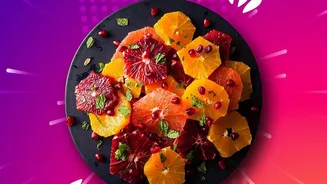
The old saying, "we eat with our eyes first," is backed by science. The visual appeal of food significantly influences our perception of its taste, quality, and even value. Studies have shown that the color, arrangement, and presentation of a dish can alter how we experience its flavor. A brightly colored beverage might be perceived as sweeter, while an artfully arranged salad can command a higher price. By investing in high-quality presentation—using vibrant ingredients, building height on the plate, and selecting unique dishware—restaurants tap into this psychological link. A dish that looks good creates an expectation of quality and enhances the overall dining experience, making customers feel more satisfied with their choice.
Designing for the Digital Age
The demand for photogenic food has led to a new approach in the kitchen known as menu engineering, where dishes are developed with their on-screen performance in mind. This goes beyond simple plating. Chefs now strategically select ingredients with bold colors and interesting textures. They design dishes with interactive elements—like a dramatic cheese pull, a sauce poured at the table, or a dessert that smokes—that are perfect for short-form videos on platforms like TikTok. The choice of plates and bowls is also critical; a white plate can make colors pop, while a dark, rustic plate can create a different mood. This careful planning ensures that menu items not only taste great but are also primed to perform well online, encouraging likes, shares, and a steady stream of new customers.
The Potential Downsides of Pretty Plates
While the benefits are clear, the relentless pursuit of 'Instagrammable' food is not without its critics. Some argue that an overemphasis on visual appeal can lead to a decline in taste and quality, with restaurants prioritizing aesthetics over flavor. Outrageous creations designed to go viral, like milkshakes topped with entire slices of cake, may look impressive but can be underwhelming to eat. This can create a cycle where hype leads to long lines and high prices for a mediocre experience. Furthermore, viral food trends can place unexpected strain on supply chains, causing shortages and price hikes for specific ingredients, as seen with the recent craze for pistachio-filled chocolates. For restaurants, there is a fine line between creating shareable moments and maintaining culinary integrity.