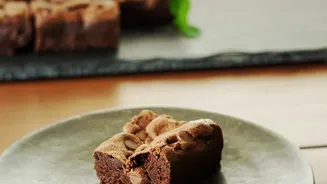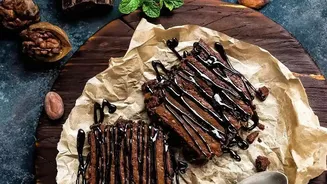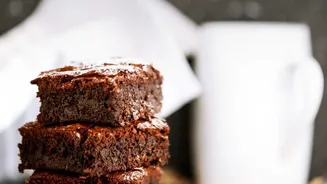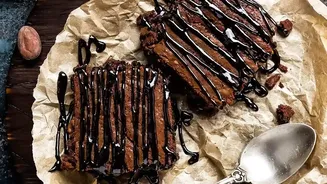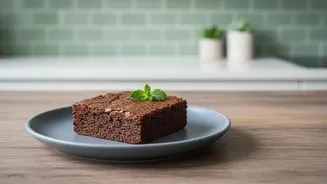


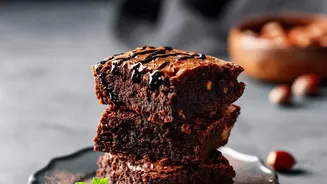
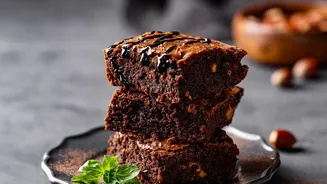
A Healthier Twist on a Classic Treat
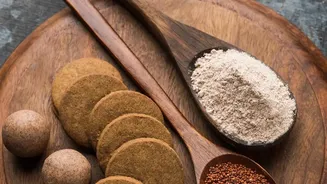
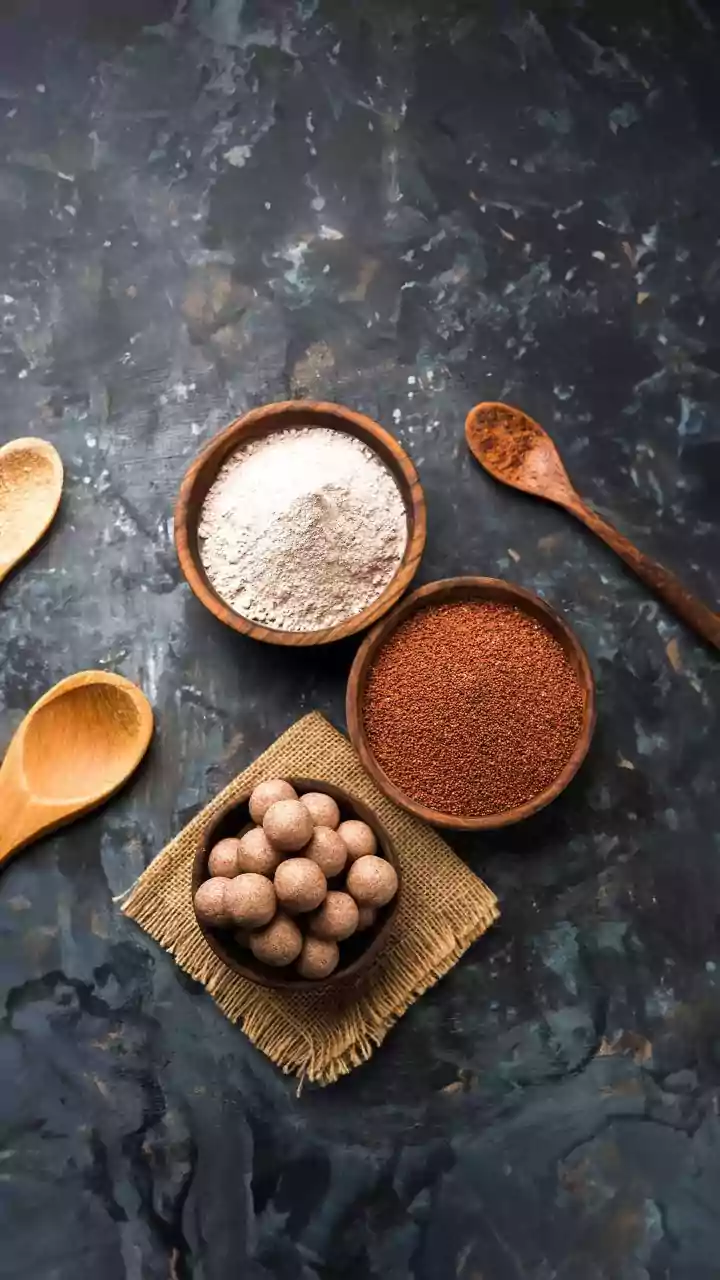
The humble brownie is being reimagined. In a push towards healthier eating and embracing local ingredients, bakers and pastry chefs are moving beyond all-purpose flour (maida). The new stars of the show are ancient grains like finger millet, known as ragi,
and sorghum, or jowar. This isn't just about making a dessert guilt-free; it's a conscious choice to infuse a beloved classic with superior nutrition. These flours are naturally gluten-free and packed with nutrients, appealing to a growing number of health-conscious consumers. By making this simple swap, chefs are transforming the brownie from a simple indulgence into a snack that offers genuine dietary benefits without compromising on taste.
Meet the Wonder Grains: Ragi and Jowar
So, what makes these flours so special? Finger millet (ragi) is a nutritional powerhouse, renowned for its high calcium and iron content. In baking, it imparts a distinct, slightly malty and earthy flavour that pairs wonderfully with the richness of dark chocolate. It also contributes to a dense, fudgy texture that many brownie lovers seek. Sorghum (jowar) has a milder, sweeter flavour and a softer texture. It is celebrated for being rich in protein, fibre, and antioxidants. As naturally gluten-free flours, both ragi and jowar are excellent alternatives for those with gluten sensitivities or celiac disease. Their high fibre content also helps in promoting a feeling of fullness and aids in digestion.
The Impact on Flavour and Fudginess
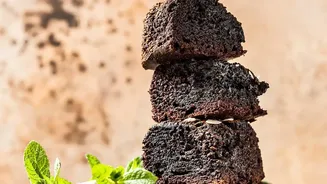
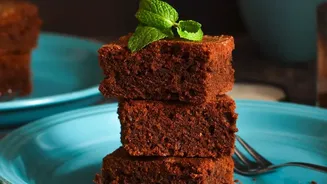
Substituting traditional flour with millet flours does more than just boost nutrition; it creates a whole new sensory experience. Ragi lends a deep, complex flavour and is known to create an incredibly moist and fudgy brownie. Some bakers even lightly roast the ragi flour before using it to enhance its nutty aroma. Because these flours are gluten-free, the resulting brownies often have a denser crumb, which is a desirable quality for a fudgy brownie as opposed to a cakey one. Jowar, being lighter, can produce a slightly less dense brownie than ragi. Often, chefs use a blend of the two flours, or combine them with other gluten-free options like almond flour or tapioca starch, to achieve the perfect balance of flavour and a prized crinkly top. This careful balancing act is key to revamping the classic without losing its soul.
Tips for the Home Baker
Inspired to try this at home? It's easier than you think. When starting out, you don't have to go for a 100% swap. Many recipes suggest starting with a blend, such as half ragi or jowar flour and half whole wheat or all-purpose flour. This helps you get accustomed to the new textures and flavours. Since millet flours are very absorbent, your batter might seem thicker than usual, and you may need to add a little extra liquid like milk or water to get the right consistency. Also, don't over-mix the batter once you've added the flour; mix just until combined to avoid a crumbly result. For a guaranteed fudgy texture, use melted butter or oil and ensure your recipe has enough fat and sugar to interact with the cocoa and create that signature gooeyness.