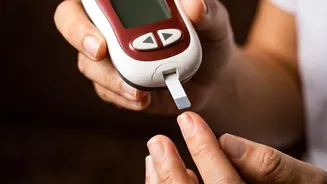








Feeling drained and constantly reaching for a glass of water? Unexplained fatigue and persistent thirst can be more than just a sign you're overworked. They can be your body's way of signaling an issue like high blood sugar.
Understanding High Blood Sugar
High blood sugar, or hyperglycemia,
occurs when there is too much glucose (sugar) in your bloodstream. This happens when your body either doesn't produce enough insulin or can't use the insulin it makes effectively. Insulin is a crucial hormone that acts like a key, unlocking your body's cells to let glucose in for energy. When this process is disrupted, glucose builds up in the blood instead of fueling your cells, leading to a variety of noticeable symptoms that can develop gradually over days or weeks.
The Energy Drain: Why Fatigue Sets In
One of the most common signs of high blood sugar is a feeling of being weak or unusually tired. This may seem counterintuitive since glucose is the body's main energy source. However, when glucose can't enter your cells due to insulin issues, your body is starved for fuel despite high levels of it in the blood. This cellular energy crisis can leave you feeling sluggish, drained, and chronically fatigued. Furthermore, high blood sugar can cause inflammation and poor circulation, slowing down the delivery of oxygen and nutrients to your cells and making the fatigue even worse.
The Dehydration Cycle: Thirst and Urination
Do you find yourself needing to urinate more often, especially at night? This is a hallmark sign of hyperglycemia. When your blood is saturated with excess sugar, your kidneys are forced to work overtime to filter and flush it out through urine. This process, known as osmotic diuresis, pulls large amounts of water from your body along with the sugar. This leads to increased urination and, consequently, dehydration. Your body then signals intense thirst (polydipsia) to try to replenish the lost fluids, creating a frustrating cycle of drinking more but still feeling thirsty.
Other Telltale Signs to Watch For
Beyond fatigue and hydration issues, persistently high blood sugar can manifest in other ways. Blurred vision is a common early symptom, as high glucose levels can cause the lenses of your eyes to swell temporarily. You might also experience frequent headaches. Over time, chronic hyperglycemia can lead to more serious signs, including slow-healing cuts or sores, frequent skin or yeast infections, and unexplained weight loss. Some people also report tingling or numbness in their hands and feet, a sign of nerve damage.
When to Consult a Healthcare Professional
While experiencing one of these symptoms occasionally may not be cause for alarm, a combination of them warrants a conversation with a doctor. If you notice persistent thirst, frequent urination, and constant fatigue, especially together, it's important to seek medical advice for proper evaluation. Symptoms like fruity-smelling breath, nausea, vomiting, or confusion can indicate a serious, life-threatening condition called diabetic ketoacidosis (DKA) and require immediate emergency care.