



Create a Pollinator Paradise
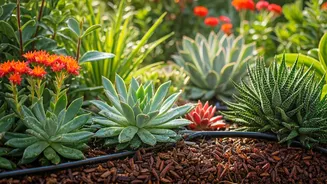
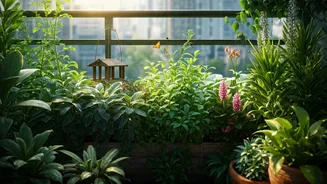
Urban areas are often 'food deserts' for essential pollinators like bees, butterflies, and moths. By planting the right flowers, your balcony can become a vital refueling station. Focus on native, nectar-rich plants that thrive in pots. Think vibrant
marigolds (genda), fragrant jasmine (mogra), cosmos, and sunflowers. These not only add a splash of colour but provide crucial food for the insects that underpin our ecosystem. Avoid using chemical pesticides, which can harm these delicate visitors. A healthy pollinator population supports biodiversity and even improves the yield of local fruit and vegetable plants.
Grow Your Own Edible Garden
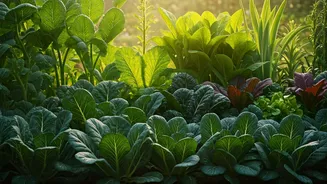
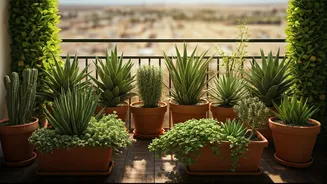
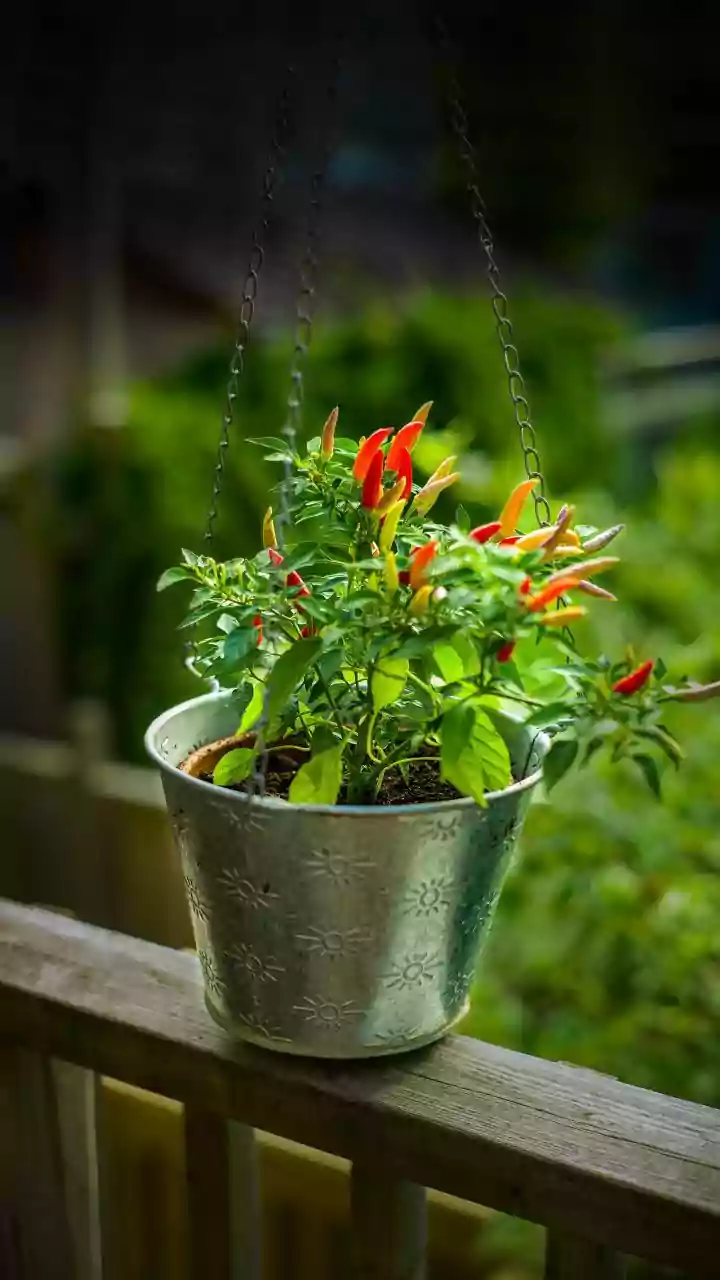
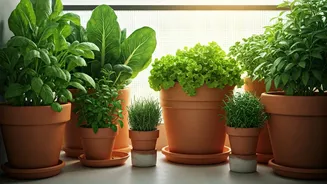
Imagine snipping fresh coriander for your curry or plucking a ripe tomato for a salad, all from your own balcony. A small-scale kitchen garden is incredibly rewarding and eco-friendly. It significantly reduces your 'food miles'—the distance food travels from farm to plate, which is a major source of carbon emissions. Start with easy-to-grow herbs like mint (pudina), basil (tulsi), and coriander (dhania). Cherry tomatoes, chillies, and brinjal also do surprisingly well in containers with enough sunlight. Growing your own food ensures it’s organic and free from harmful chemicals, making it healthier for you and the planet.
Become a Haven for Urban Birds
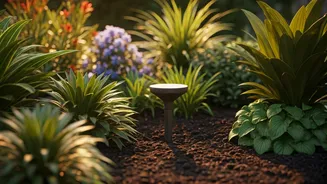
Birds are a delightful sign of a healthy urban ecosystem, but they often struggle to find food and water. You can offer them a safe sanctuary on your balcony. A simple bird feeder filled with seeds like millet (bajra) or sunflower seeds can provide a reliable food source. More importantly, a shallow dish of clean water can be a lifesaver, especially during hot Indian summers. It serves as a birdbath and a drinking fountain. You’ll be rewarded with the cheerful chirps of sparrows, mynas, and bulbuls, turning your balcony into a vibrant, living space.
Practice Smart Water Conservation
Water is a precious resource, and a green balcony doesn't have to mean a wasteful one. Adopt smart watering habits to keep your plants happy and conserve water. Water your plants early in the morning or late in the evening to minimise evaporation. Water the soil directly, not the leaves. Consider using self-watering pots, which have a reservoir at the bottom, or even setting up a simple drip irrigation system using recycled plastic bottles. You can also place a tray under your pots to catch any runoff and reuse it for other plants.
Start a Mini-Compost Bin
Did you know a significant portion of household waste is organic matter that ends up in landfills, producing harmful methane gas? You can tackle this problem right on your balcony with a small, odour-free compost bin. Many compact models are designed specifically for small spaces. Simply add your kitchen scraps—like vegetable peels, fruit cores, and tea leaves—and let nature do its work. In a few weeks, you’ll have nutrient-rich compost, or 'black gold,' to feed your plants. It’s a perfect closed-loop system that reduces waste and eliminates the need for chemical fertilisers.
Cool Your Home Naturally
Plants are nature’s air conditioners. Through a process called transpiration, they release moisture into the air, creating a cooling effect. A balcony full of lush greenery can help combat the 'urban heat island' effect, where concrete and asphalt make cities significantly hotter than surrounding rural areas. Strategically placed climbing plants like bougainvillea or money plants can create a 'green curtain,' shading your windows from the harsh sun and potentially reducing your reliance on air conditioning. This not only saves electricity but also lowers your carbon footprint.