
Why Protein and Fibre Matter
When you are building a meal around vegetables, two of the most important components to consider for satisfaction and health are protein and fibre. Protein is the building block for your body's tissues, but in a meal, it is crucial for creating a feeling
of fullness and providing sustained energy. Without enough protein, a vegetable-heavy dish can leave you feeling hungry again in no time. Fibre is equally important. It aids in digestion, helps regulate blood sugar, and contributes to that satisfying feeling of fullness. A diet rich in plant-based foods is naturally high in fibre, but consciously pairing ingredients can maximise the benefits. Together, protein and fibre slow down digestion, preventing the energy spikes and crashes that can come from simpler carbohydrate-based meals.
The Chickpea: A Protein Powerhouse
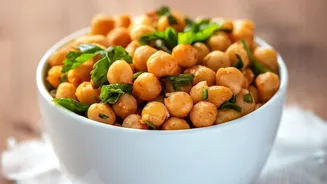
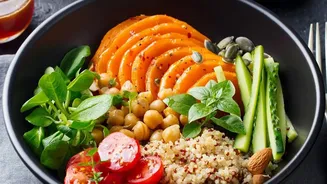
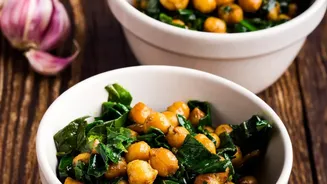
Chickpeas, also known as garbanzo beans, are a foundational ingredient in many cuisines for a reason. They are an excellent source of plant-based protein, with a cup of cooked chickpeas containing around 15 grams. But their benefits do not stop there. That same cup also delivers an impressive 12.5 grams of dietary fibre, nearly half the recommended daily intake for many adults. This combination makes them incredibly efficient at making meals more substantial. Chickpeas are also packed with essential micronutrients like folate, iron, and magnesium, which support everything from brain function to energy production. Their mild, nutty flavour and creamy texture make them a versatile addition to countless dishes, easily absorbing the flavours of whatever they are cooked with.
The Artichoke: An Unsung Fibre Hero
Artichokes are often prized for their unique taste and tender hearts, but their nutritional profile is just as remarkable. While not as protein-dense as chickpeas, a medium artichoke still provides around 4 grams of protein, a notable amount for a vegetable. Where the artichoke truly shines is its fibre content. A single medium cooked artichoke can contain up to 10 grams of fibre, much of it in the form of inulin. Inulin is a prebiotic fibre, meaning it feeds the beneficial bacteria in your gut, promoting a healthy digestive system. Artichokes are also a great source of antioxidants, Vitamin C, and potassium, which is important for muscle function and heart health.
A Perfect Culinary Pairing
When you bring chickpeas and artichokes together, you create a partnership that works on both a nutritional and a culinary level. Nutritionally, you are getting a significant dose of both protein and fibre in one go, creating a meal that is balanced and will keep you full for hours. The combination of different types of fibres from both ingredients also supports overall gut health. In the kitchen, their textures and flavours are wonderfully complementary. The creamy, soft consistency of chickpeas provides a lovely contrast to the firmer, meatier bite of artichoke hearts. Their flavours meld beautifully, with the earthy notes of the chickpea balancing the slightly tangy, delicate taste of the artichoke. This makes them a perfect base for a wide variety of meals, from Mediterranean-inspired salads to hearty stews.
Easy Ways to Combine Them
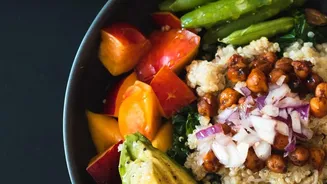
You do not need complex recipes to enjoy the benefits of this duo. Start with a simple salad by tossing canned chickpeas (rinsed well) with marinated artichoke hearts, cherry tomatoes, and a light lemon-herb vinaigrette. For a warm and comforting dish, create a simple stew by sautéing onions and garlic, then adding chickpeas, chopped artichoke hearts, and a can of diced tomatoes, simmering with herbs like rosemary or thyme. You can also roast them together on a sheet pan with olive oil and paprika until the chickpeas are crispy, serving them as a side dish or over quinoa. Another great option is to blend them into a creamy dip, similar to hummus but with the added flavour of artichoke, perfect with pita bread or fresh vegetables.