







Boost Your Immunity with Herbal Allies
The damp, humid conditions of the monsoon make our bodies susceptible to infections. Your kitchen is a treasure trove of natural immunity boosters. Start your day with a simple concoction of warm water with honey and a few drops of lemon juice. Throughout
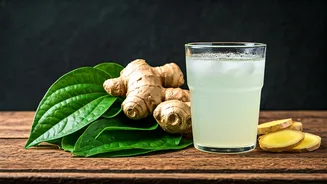
the day, incorporate herbs like Tulsi (holy basil), ginger, turmeric, and black pepper into your routine. A daily cup of 'kadha' or herbal decoction made by boiling these ingredients can work wonders. Tulsi is revered in Ayurveda for its antiviral and antibacterial properties, while ginger and turmeric are potent anti-inflammatory agents that help fight off colds and flu. Even adding a pinch of turmeric to your milk at night can help strengthen your body’s defences from within.
Adapt Your Diet for the Season
According to Ayurveda, our digestive fire ('agni') is weakest during the monsoon. This makes it crucial to adapt what we eat. Favour light, warm, and freshly cooked meals. Think steamed vegetables, moong dal soup, and khichdi. Avoid heavy, oily, and fried foods that are difficult to digest. This is also not the season for raw salads or leafy greens, as they can carry microbes and be hard on a weakened digestive system. Instead, opt for gourds like lauki (bottle gourd) and tori (ridge gourd). Incorporating digestive spices like cumin (jeera), coriander (dhania), and asafoetida (hing) in your cooking will support your gut and prevent issues like bloating and indigestion. Eating seasonal fruits like jamun, pomegranate, and cherries can also provide essential vitamins and antioxidants.
Focus on Gut Health and Digestion
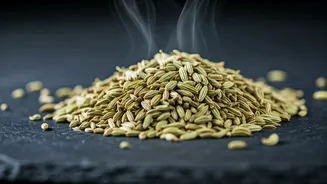
A healthy gut is the cornerstone of overall wellness. During the monsoon, the imbalance of 'doshas' (body humours), particularly Vata, can lead to digestive distress. To counteract this, make probiotics a part of your daily diet. A small bowl of freshly made dahi (yoghurt) or a glass of buttermilk (chaas) seasoned with roasted cumin powder and rock salt after your lunch can introduce beneficial bacteria to your gut. Avoid consuming stale food, as the high moisture content in the air accelerates bacterial growth. Drinking water infused with ajwain (carom seeds) or jeera (cumin seeds) can also be highly effective in preventing gas and improving digestion. These simple habits ensure your digestive system remains robust, which is directly linked to a stronger immune response.
Practice Mindful Hydration
While it’s raining outside, it's easy to forget to drink enough water. However, staying hydrated is just as important during the monsoon. The humidity can cause you to sweat more, leading to fluid loss. The key is to be mindful of the *kind* of water you drink. Always consume water that has been boiled and cooled, or properly filtered, to avoid water-borne diseases. It is best to sip on warm water or herbal teas throughout the day. Cold beverages can further dampen the digestive fire. Herbal infusions made with ginger, lemongrass, or mint are excellent choices as they not only hydrate but also provide therapeutic benefits, helping to clear congestion and soothe the throat.
Prioritise Skin and Foot Care
The increased humidity can lead to a host of skin problems, from fungal infections to acne breakouts. Keep your skin clean and dry. Bathing with water infused with neem leaves can help, thanks to neem's powerful antibacterial and antifungal properties. For your face, a simple pack of besan (gram flour) and turmeric can work as a gentle exfoliant and antiseptic. Pay special attention to your feet. They are most vulnerable to fungal infections after wading through stagnant water. Wash your feet with soap and warm water as soon as you get home and dry them thoroughly, especially between the toes. Soaking your feet in warm salt water can also be soothing and helps prevent infections.