







The All-or-Nothing Trap
For many of us, the path to a new fitness routine is paved with grand intentions. We buy new gear, map out ambitious one-hour gym sessions, and promise ourselves this is the time it will stick. But more often than not, life gets in the way. A long day
at work, family commitments, or simple fatigue can make that one-hour goal feel like an insurmountable wall. This is the 'all-or-nothing' mindset, where if we can't do the 'perfect' workout, we do nothing at all. The brain resists drastic change, and setting an overwhelming goal can make you more likely to abandon it entirely. This psychological barrier is one of the biggest reasons people fall off the fitness wagon. The thought of a long, strenuous workout can be so intimidating that it's easier to just postpone it, creating a cycle of procrastination and guilt.
The Science of Short Workouts
The good news is that science is on the side of the short workout. You don't need to dedicate an hour to reap significant health rewards. Studies show that even brief periods of vigorous activity can have a profound impact. Research has found that just 15 minutes of vigorous activity a week can be associated with a lower risk of dying during the study period. Even workouts as short as 11 minutes, performed three times a week, can increase your resting metabolic rate and help manage weight. Short, high-intensity workouts improve how the body regulates blood sugar and can increase blood flow to the brain, which improves mental focus. These 'exercise snacks' trigger important physiological changes, improving cardiovascular health and boosting your metabolism long after you've stopped moving.
Building Momentum with Micro-Habits
The key to long-term success in fitness isn't intensity; it's consistency. This is where the psychology of habit formation comes into play. Starting with a manageable, 15-minute routine creates a 'micro-habit' that is easy to stick with. Psychologists note that habits form through a 'habit loop' consisting of a cue, a routine, and a reward. By making the routine (the workout) short and achievable, you lower the barrier to entry. Your brain begins to see it as a small, easy task. The reward—a feeling of accomplishment, a mood boost from endorphins, or simply checking it off your list—reinforces the behavior. This strategy of starting small is crucial because it helps build momentum. Once the habit of exercising for 15 minutes is firmly established, it becomes an automatic part of your day, requiring less willpower to initiate.
How to Make Your 15 Minutes Count
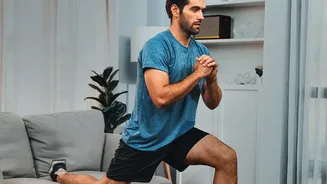
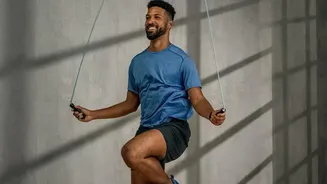
A 15-minute workout can be surprisingly effective if structured correctly. The goal is to keep the intensity relatively high and focus on exercises that engage large muscle groups. You don't need a gym; your own body weight or simple equipment like resistance bands can be sufficient. Consider one of these simple but powerful routines: Bodyweight Circuit: Perform exercises like squats, push-ups, lunges, and planks for 45 seconds each, with 15 seconds of rest in between. Repeat the circuit two or three times. Brisk Walking or Stair Climbing: A fast-paced walk outside or repeatedly climbing the stairs in your building for 15 minutes is excellent for cardiovascular health. High-Intensity Interval Training (HIIT): Alternate between 30 seconds of all-out effort (like jumping jacks or high knees) and 30 seconds of rest. Repeat for 15 minutes. Yoga or Stretching: A 15-minute dynamic yoga flow or a focused stretching session can improve flexibility, reduce stress, and lubricate joints.