



What is Astrotourism?
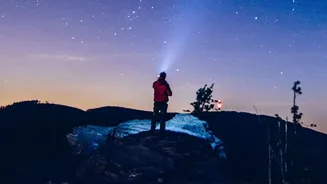
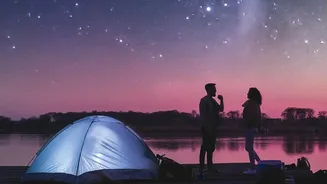
Astrotourism, or dark sky tourism, is travel for the specific purpose of stargazing. As city lights increasingly blanket our skies—a phenomenon known as light pollution—most of us have lost our connection to the stars. In major Indian cities, only a handful
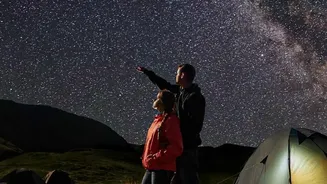
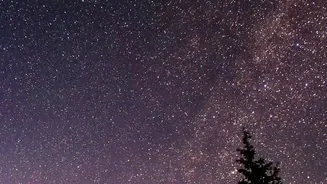
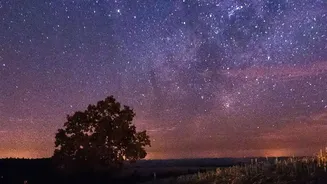
of stars might be visible on a clear night. This has sparked a desire to travel to remote, naturally dark places to see the night sky in its full glory: a brilliant canvas filled with thousands of stars, planets, and even the Milky Way galaxy. It’s a sustainable form of tourism that combines a love for nature with the awe of astronomy, offering a peaceful and profound experience.
India's Celestial Crown Jewel: Hanle
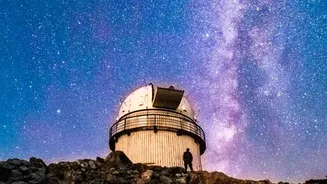
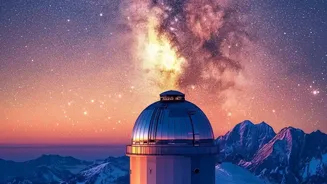
At the forefront of India's astrotourism boom is Hanle in Ladakh, home to India's first-ever Dark Sky Reserve. Located high in the Changthang Wildlife Sanctuary, this remote region offers some of the most pristine skies not just in India, but in all of Asia. At an altitude of 4,500 metres, the air is thin, dry, and clear, creating perfect conditions for stargazing. Here, the Milky Way is so bright it appears as a textured river of light across the sky. The reserve was established to protect these exceptional night skies from light pollution, ensuring the area remains a haven for both scientific research at the Indian Astronomical Observatory and for travellers seeking a connection with the cosmos.
Other Stargazing Hotspots Across India
Beyond Ladakh, India offers a diverse map of stargazing destinations. Spiti Valley in Himachal Pradesh is another high-altitude cold desert with minimal light pollution, where villages like Kaza and Kibber transform into natural observatories at night. The Pench Tiger Reserve in Madhya Pradesh holds the distinction of being India's first Dark Sky Park, allowing visitors to combine wildlife safaris with celestial shows. For a different experience, the vast, flat expanse of the Rann of Kutch in Gujarat offers an uninterrupted horizon, creating a dramatic backdrop for the star-filled sky. In the south, the coffee plantations of Coorg provide dark skies away from city glare, while the Andaman and Nicobar Islands offer the unique experience of watching the cosmos over the ocean.
More Than Just Looking Up
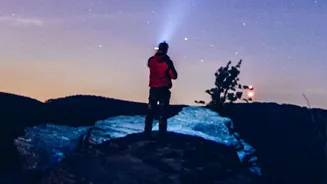
An astrotourism trip is rarely just about the night sky. The destinations best for stargazing are often remote and beautiful, offering a full immersion in nature. During the day, travellers can indulge in hiking, explore ancient monasteries, experience local culture, or simply enjoy the peace and quiet of the wilderness. Many locations now offer guided tours, homestays, and even resorts specifically catering to astrotourists. These often include access to telescopes and sessions with local guides trained in astronomy, making the experience accessible even for complete beginners. It's a holistic form of travel that engages the mind, body, and spirit.
Why the Sudden Interest?
The rise of astrotourism reflects a broader shift in what people seek from travel. In an increasingly digital and disconnected world, there is a growing desire for authentic experiences that foster a connection to nature. Stargazing provides a powerful sense of perspective, reminding us of our small place in a vast universe. It is a form of wellness, offering a chance to disconnect from screens and reconnect with a natural rhythm. The trend is also fuelled by major celestial events, like solar eclipses, which generate massive interest in astronomy. Ultimately, it’s about rediscovering a sense of wonder that has been lost to the glow of modern life.