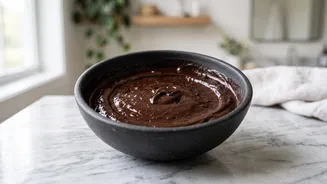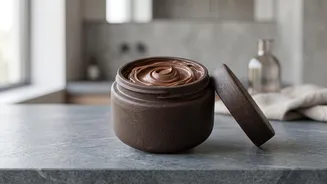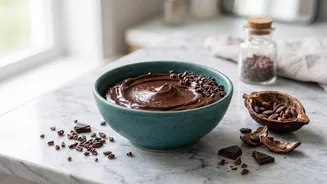





The idea of a chocolate face mask sounds decadent and natural. But before you mix that cocoa powder, it's wise to ask a few questions. Just because an ingredient is good to eat doesn't always mean it's good for your face. Let's find out.
The Allure of Kitchen Skincare
The appeal of
do-it-yourself beauty is undeniable. It feels natural, empowering, and budget-friendly to whip up a face mask using ingredients from your own pantry. The chocolate face mask is a perfect example, promising a spa-like experience with a simple mix of cocoa powder and other kitchen staples like yogurt, honey, or banana. Proponents claim these masks are packed with antioxidants that fight ageing and leave skin glowing. The logic seems simple: if these ingredients are healthy to ingest, they must be beneficial to apply topically. But skincare is more complex than cooking, and the journey from your kitchen counter to your pores is one that deserves a closer look.
The Claim: Is Chocolate an Antioxidant Powerhouse for Skin?
The star ingredient, raw cacao or dark chocolate powder, is rich in flavonoids and polyphenols—powerful antioxidants. Ingesting these compounds is linked to health benefits, including protecting cells from damage. When applied topically, some studies suggest these antioxidants can help protect skin from UV damage and reduce inflammation. Cocoa also contains theobromine, a compound that can increase blood flow, potentially leading to a brighter, more vibrant complexion. When mixed with ingredients like honey, which has natural antibacterial properties, or banana, which is rich in vitamins, the theoretical benefits seem to stack up, promising a nourishing, reparative treat for your skin.
The Reality: What Are the Hidden Risks?
Unfortunately, what works in a lab or as a food doesn't always translate to effective skincare. One of the biggest issues with DIY masks is the lack of preservatives. When you mix fresh ingredients like yogurt, milk, or banana, you create a breeding ground for bacteria. Applying this to your skin can introduce new problems, including breakouts and irritation. Furthermore, the particles in food-grade ingredients, like cocoa powder, can be too large to penetrate the skin effectively and deliver their benefits. Some dermatologists argue that while the idea is nice, you're unlikely to see significant, lasting results. There's also the risk of allergic reactions or irritation, especially if you have sensitive skin. Ingredients like cinnamon or citrus, sometimes added to chocolate masks, are known skin irritants for many people.
What Do the Experts Say?
Most dermatologists advise caution with DIY skincare. They emphasize that professionally formulated products are created by cosmetic chemists who understand ingredient concentrations, stability, and penetration. These products are tested for safety and efficacy in a way a kitchen concoction is not. While some natural ingredients are beneficial, their effectiveness often depends on their formulation. For example, a product using a stable, cosmetic_grade extract of cacao is very different from using raw cocoa powder from the baking aisle. Experts also point out that the 'tightening' feeling from some DIY masks is often just dehydration, not a true improvement in skin firmness. The consensus is clear: while a homemade mask might not cause a disaster, it's unlikely to deliver the profound benefits it promises and carries risks that regulated products are designed to avoid.
How to Approach DIY Skincare Safely
If you still want to indulge in a homemade treatment, it's crucial to minimize the risks. First and foremost, always do a patch test on a small, discreet area of skin, like your jawline or inner arm, to check for a reaction before applying a mask to your entire face. Use the freshest ingredients possible and apply the mask immediately after mixing it—never store leftovers. Be mindful of your skin type; what works for oily skin may be disastrous for dry or sensitive skin. For example, while clay is often mixed with chocolate for oily skin, it can be too drying for others. Avoid known irritants like raw citrus juices, vinegar, or abrasive spices. Finally, if you feel any stinging, burning, or itching, wash the mask off immediately.