



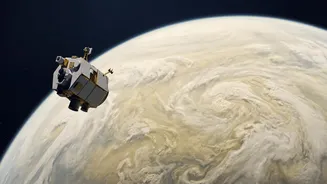
India's Next Interplanetary Quest
Following the monumental successes of Chandrayaan to the Moon and Mangalyaan to Mars, the Indian Space Research Organisation (ISRO) is embarking on its next ambitious interplanetary journey. The destination is Venus, often called Earth's "twin" due to its similar
size and mass, but a world that couldn't be more different. The mission, officially named the Venus Orbiter Mission but widely known as Shukrayaan, was formally approved by the Indian government in September 2024. It represents a major step forward, positioning India among a select group of space-faring nations to explore this enigmatic planet. With a budget of approximately ₹1,236 crore, Shukrayaan is a testament to ISRO's hallmark frugal engineering, aiming to deliver groundbreaking science without the colossal price tags of similar international missions.
The Challenge of the 'Hellish Twin'
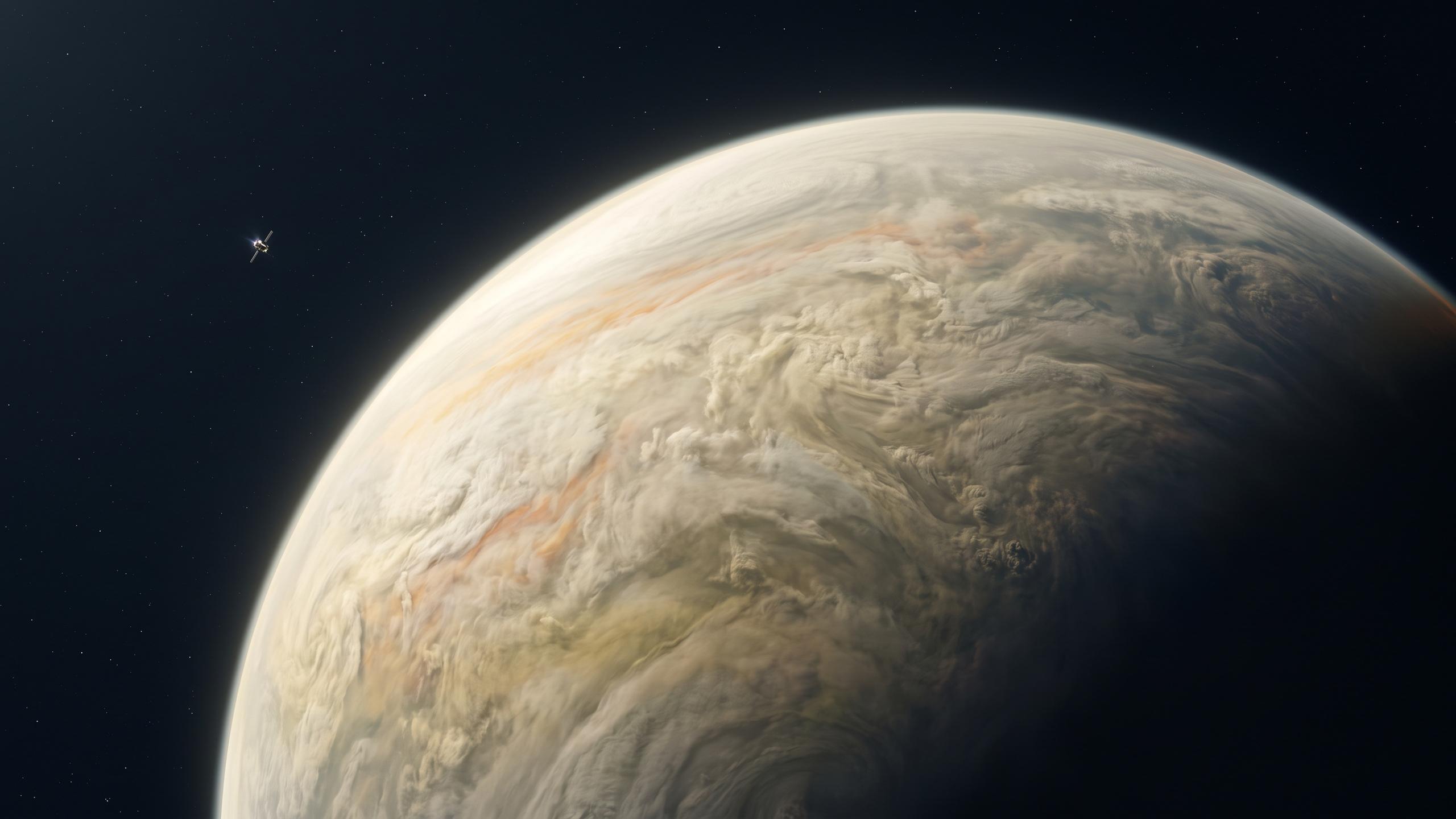
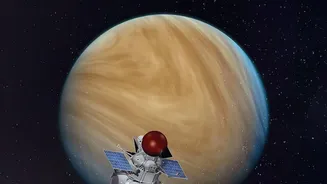
Exploring Venus is notoriously difficult. The planet is a cauldron, with surface temperatures hot enough to melt lead and a crushing atmospheric pressure over 90 times that of Earth's. Its sky is permanently shrouded in thick clouds of sulfuric acid, which have prevented a clear view of the surface for centuries. These extreme conditions mean that landers have only ever survived for a couple of hours at most. However, these challenges are precisely why scientists are so eager to return. By studying how Venus turned into a runaway greenhouse inferno, researchers hope to gain invaluable insights into planetary evolution, climate change, and the conditions that make a planet habitable—or uninhabitable. Shukrayaan will not attempt to land but will study the planet from a stable orbit, using advanced instruments to peer through the toxic veil.
A Toolkit for Uncovering Secrets
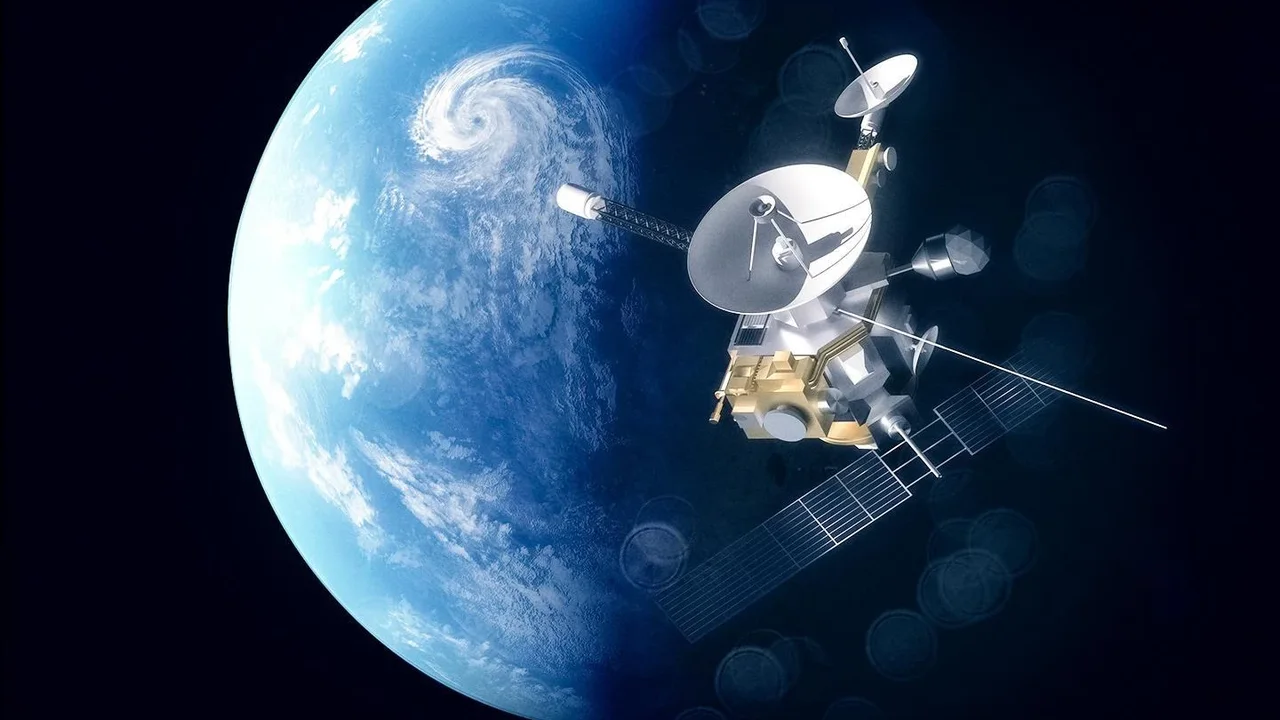
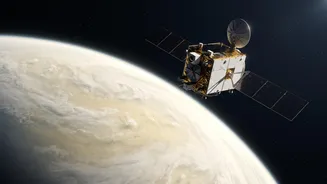
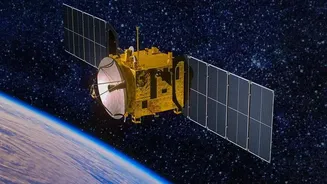
The Shukrayaan orbiter is a sophisticated scientific platform, equipped with a suite of 19 payloads from both India and international partners, including Sweden, Russia, and Germany. The mission's primary goal is to perform a comprehensive investigation of the planet, from its surface and potential subsurface activity to its complex atmospheric chemistry and interaction with solar wind. A key instrument is a high-resolution Synthetic Aperture Radar (SAR), which can penetrate the dense cloud cover to map the surface in unprecedented detail, searching for signs of active volcanoes and lava flows. It will also carry a first-of-its-kind ground-penetrating radar to study the shallow subsurface, something no mission to Venus has done before.
Probing the Mysterious Cloud Chemistry
The headline attraction of the mission is its focus on Venus's atmospheric chemistry. The orbiter carries multiple instruments designed to analyse the composition of its thick, carbon dioxide-rich atmosphere and swirling sulfuric acid clouds. One payload, a collaboration between Russia and France called VIRAL, will specifically investigate atmospheric gases, including searching for traces of phosphine. The potential detection of phosphine in Venus's clouds a few years ago generated excitement as the gas, on Earth, is associated with anaerobic life, though the finding remains debated. Shukrayaan's instruments will provide crucial data to help settle this and other atmospheric mysteries. By studying the chemical cycles, cloud dynamics, and the powerful greenhouse effect, scientists aim to build a complete picture of this complex environment.
The Journey to the Morning Star
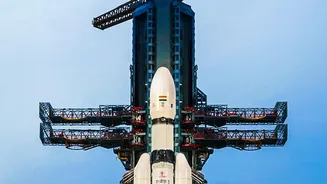
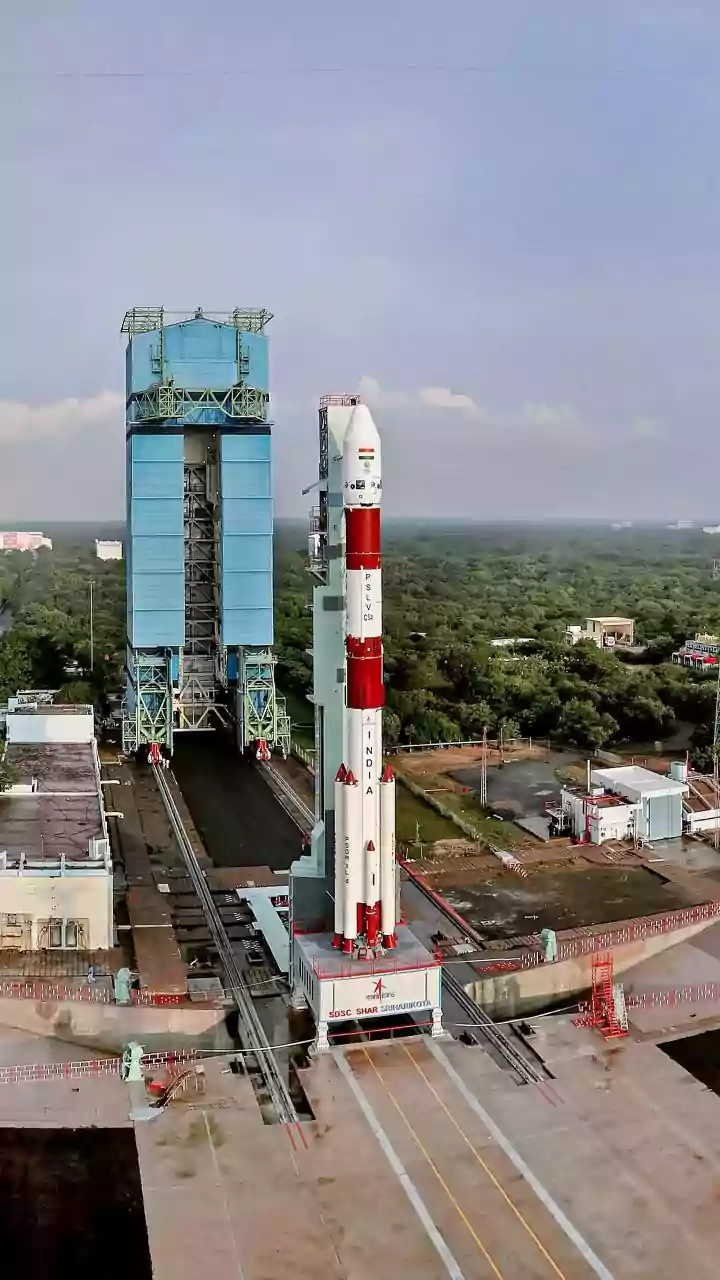
While the spacecraft's design and scientific objectives are largely finalized, patience is key. The planned launch date for Shukrayaan-1 is March 29, 2028. The mission will lift off aboard India's most powerful rocket, the LVM-3, from the Satish Dhawan Space Centre in Sriharikota. After launch, the spacecraft will embark on a 112-day journey before entering a highly elliptical orbit around Venus on July 19, 2028. This orbit will allow the spacecraft to swing from a close 500 km to a distant 60,000 km, enabling it to study different aspects of the planet and its surrounding environment over a planned four-year mission duration. This long-awaited mission will mark a new chapter in India's space story, promising a wealth of data on our captivating and scorching planetary neighbour.